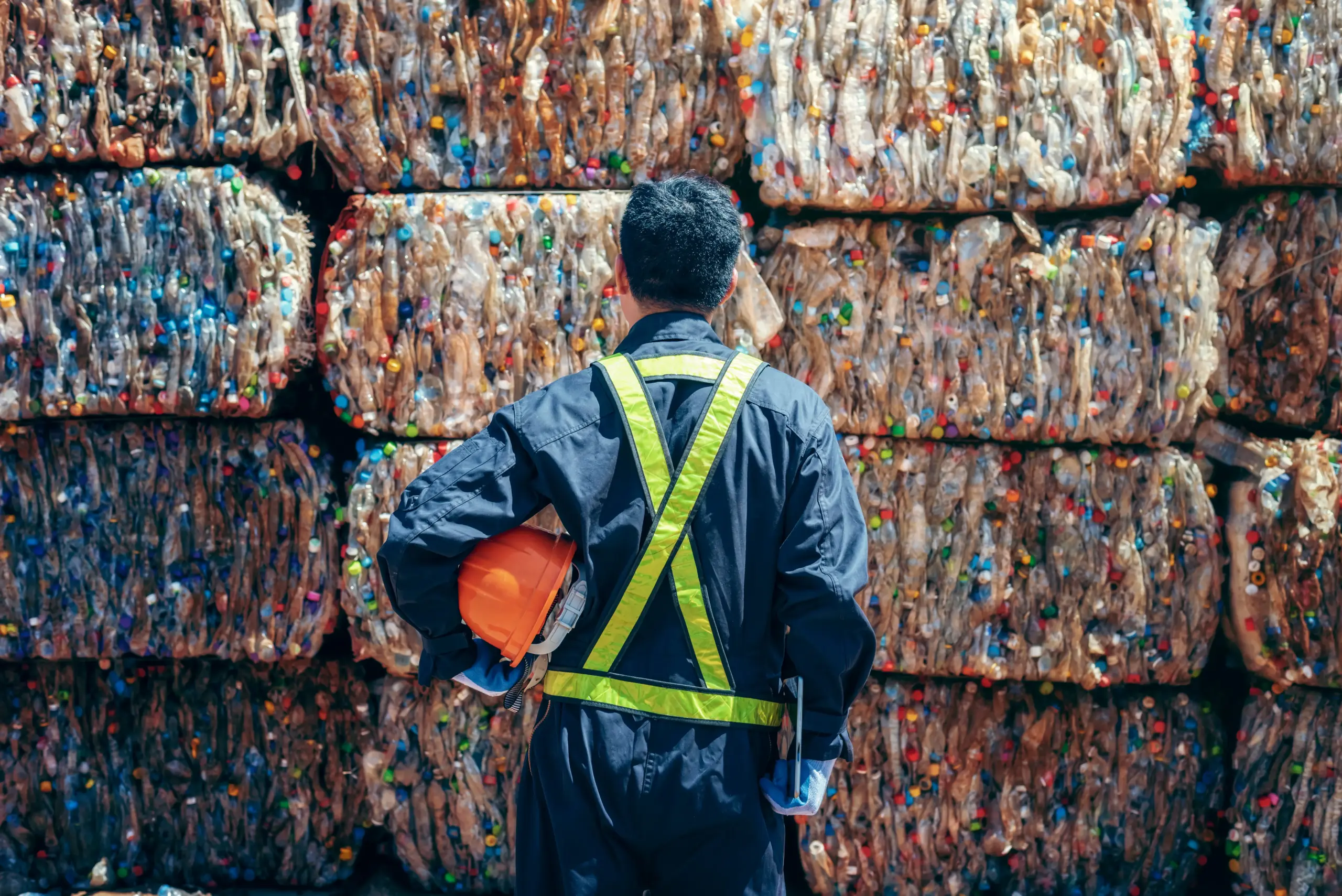
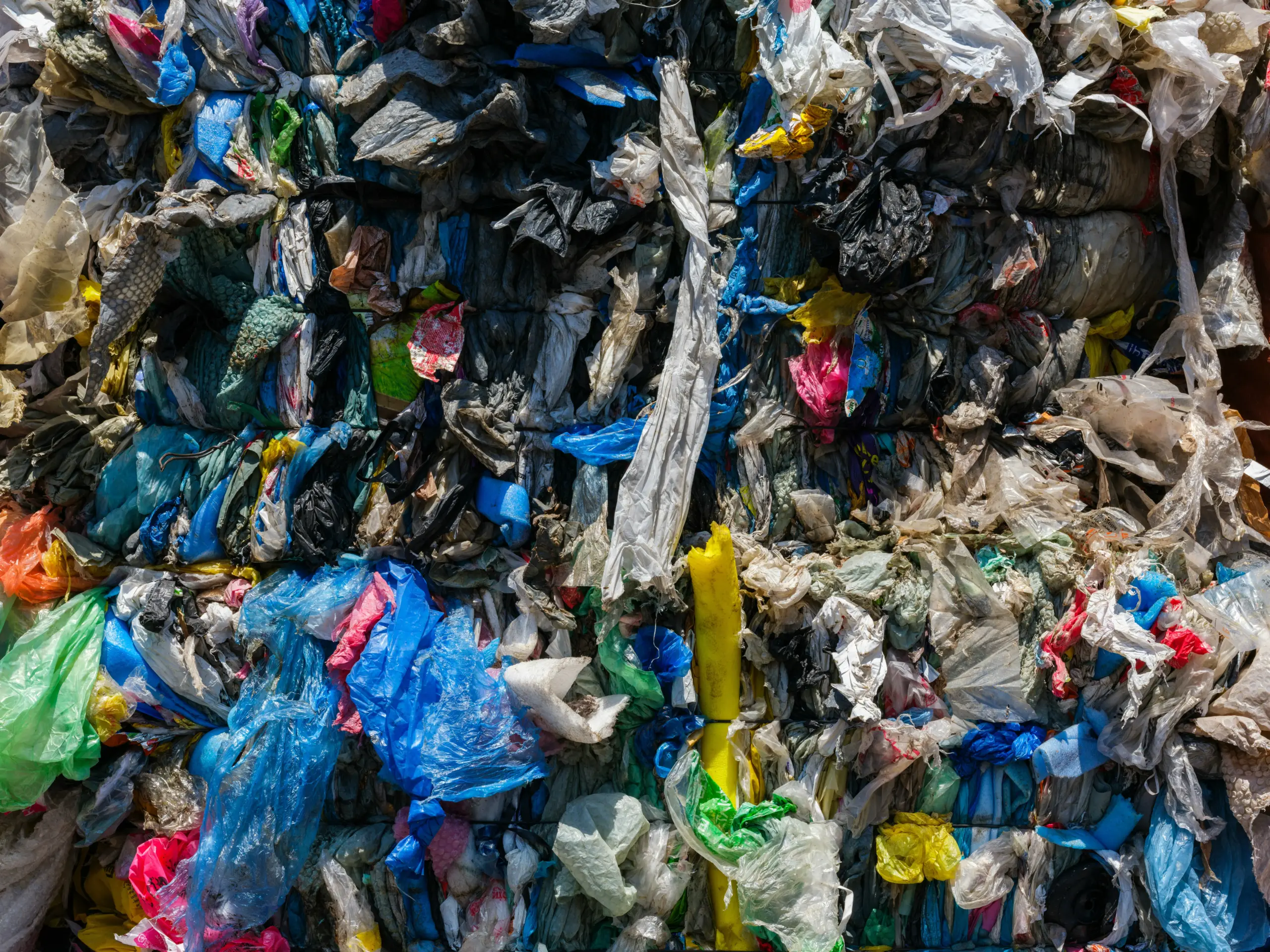
Plastic waste is one of the most visible environmental challenges of our time. Schools are uniquely positioned to lead the solution. From cafeterias to classrooms, daily school operations generate significant amounts of plastic waste, often without intention or awareness.
Understanding how schools can reduce plastic waste is not just about cutting down on trash. It is about shaping habits, influencing communities, and empowering the next generation to take action.
The Philippines' Extended Producer Responsibility (EPR) Act has delivered encouraging results. Since its implementation, businesses have recovered millions of kilograms of plastic waste, helping the country exceed mandated recovery targets.1
Yet despite this progress, plastic leakage remains a significant challenge. Recent discussions from the Department of Environment and Natural Resources (DENR) highlight an important reality: meeting recovery targets is only one part of building an effective circular economy.
As companies prepare for the June 30 EPR compliance deadline, understanding these challenges is becoming increasingly important.
The smoke rising from the Navotas landfill wasn’t just another environmental incident.
As the third landfill catastrophe following the garbage landslide in Cebu City and the landfill collapse in Rizal, it is the latest signal telling us that the systems we rely on to manage waste are under pressure.




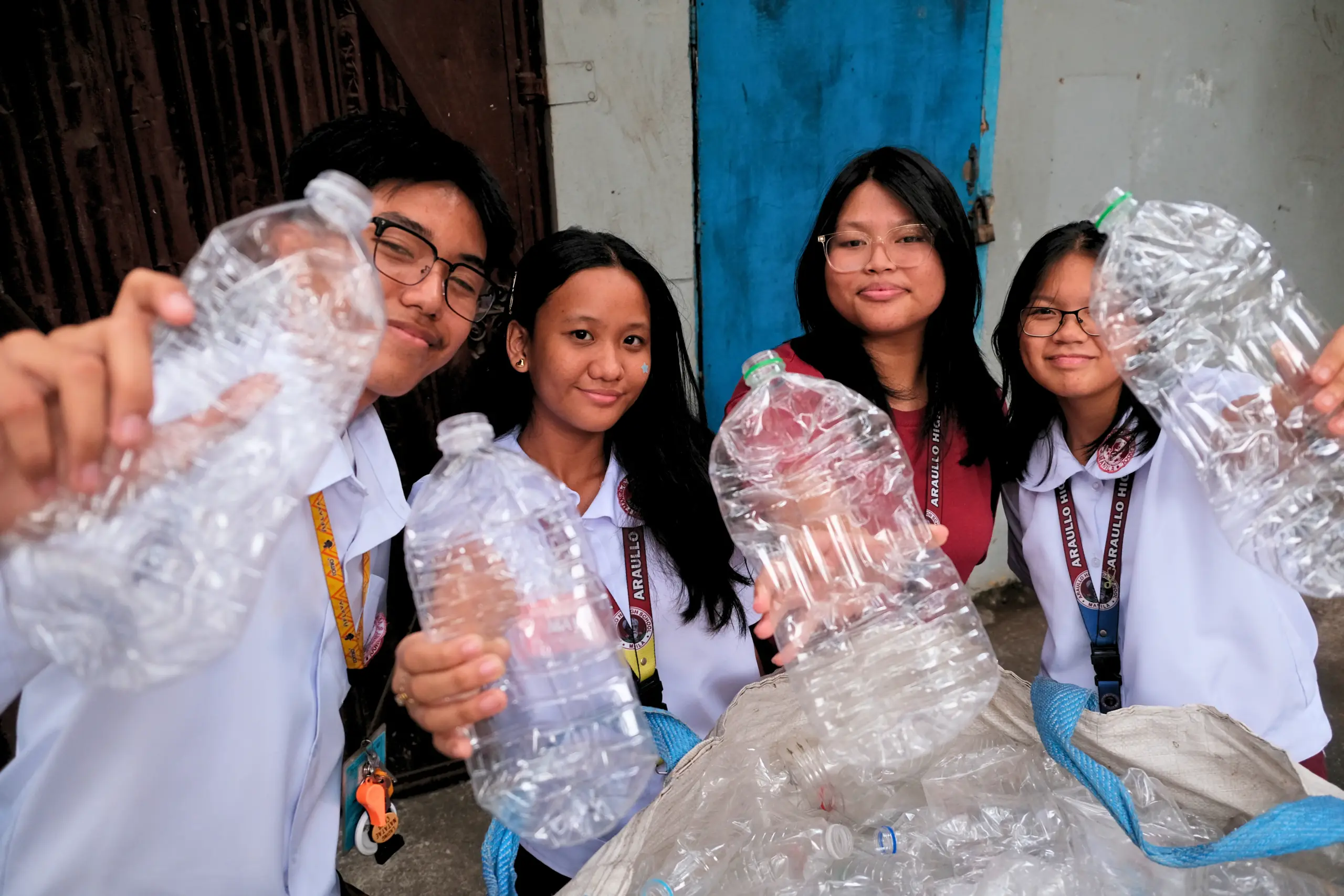 Plastic Pollution and Recycling