Plastic pollution has become one of the most pressing environmental issues of our time. From the depths of the oceans to the peaks of mountains, plastic waste is ubiquitous, threatening ecosystems and human health alike. In response to this crisis, a global movement known as Plastic Free July has emerged, empowering individuals, communities, and organizations to take action against plastic pollution.
Walk through any neighborhood, market, or shoreline, and you will see it. Plastic is everywhere. It’s not because people do not care, but because plastic has become part of everyday life. From sachets to bottles to food containers, it is built into how products are designed, sold, and consumed.
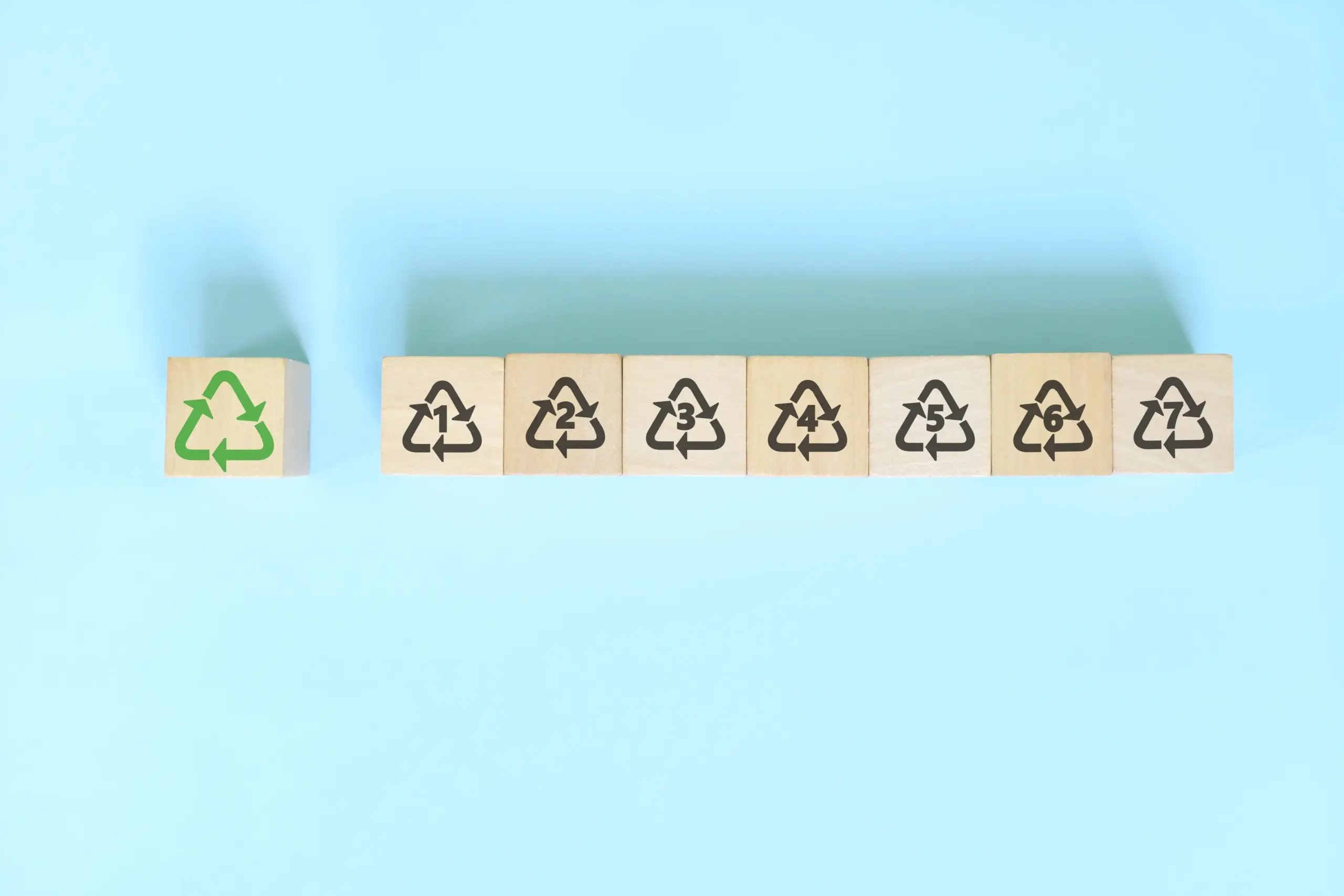
Most people assume that if a plastic item has a recycling symbol, it will eventually be recycled.
But in reality, not all plastics are recyclable in practice. And more importantly, not all plastics are actually collected and processed.
Globally, only about 9% of plastic waste has ever been recycled.
Understanding which plastics are recyclable and how to identify them is the first step toward reducing plastic waste and meeting sustainability goals, especially for companies navigating Extended Producer Responsibility (EPR) in the Philippines.1
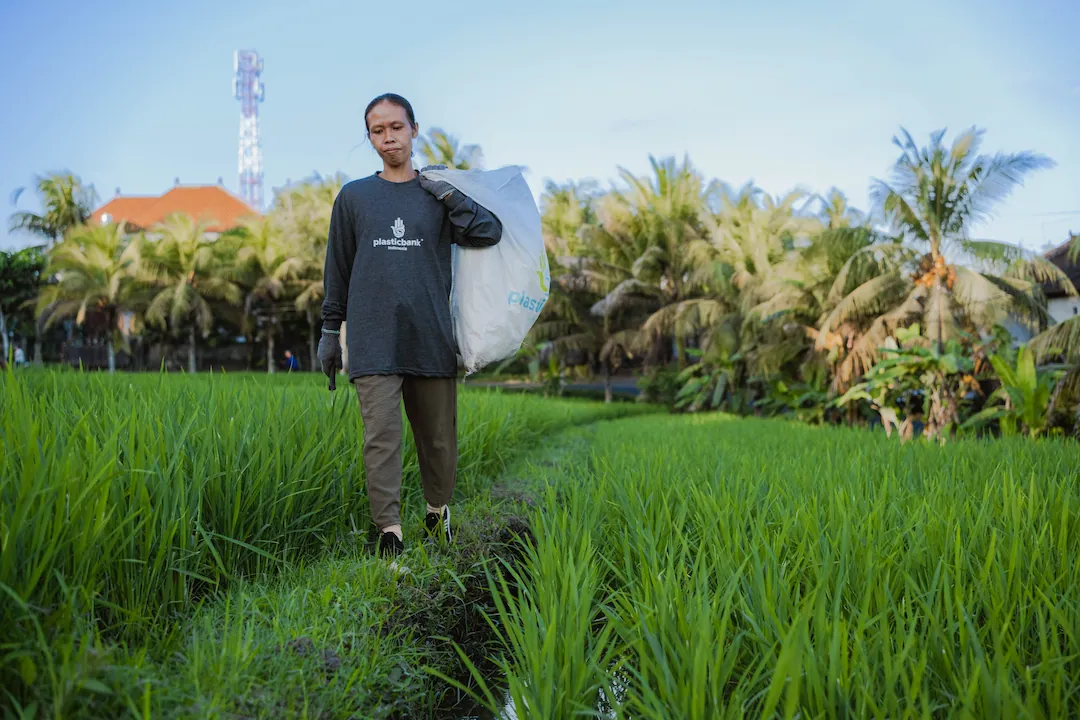
Imagine a world where the ocean brims with marine life, not plastic, and communities thrive by bringing the materials they purchase back to circularity. Enter Plastic Bank, a social enterprise committed to helping humanity win the battle against plastic pollution and poverty.




 News
News