


 Plastic Pollution and Recycling
Join the global bottle deposit program
Fuelled by the world’s most progressive people.
The smoke rising from the Navotas landfill wasn’t just another environmental incident.
As the third landfill catastrophe following the garbage landslide in Cebu City and the landfill collapse in Rizal, it is the latest signal telling us that the systems we rely on to manage waste are under pressure.
What happened and why it matters
The Navotas landfill fire disrupted nearby communities, sending thick smoke into the air and raising immediate concerns about safety and health.1
But beyond the headlines, the reality is more complex.
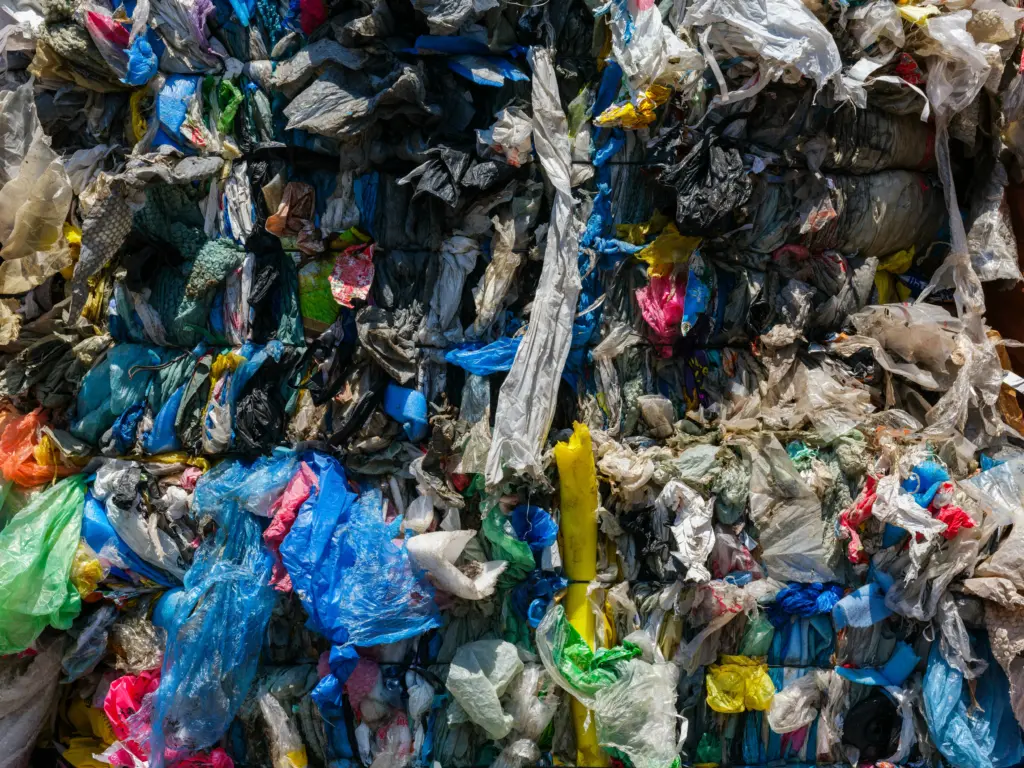
Landfill fires are notoriously difficult to control. They can burn underground for days, even weeks, fueled by methane gas produced from decomposing waste. When plastic is part of that mix, the problem intensifies, creating longer-lasting fires and more toxic emissions.
Waste without a working system
The Philippines is facing a growing plastic waste problem.
Consumption continues to rise, but recovery systems haven’t scaled at the same pace. This has led to more plastic ending up in landfills, more landfills reaching or exceeding capacity, and more pressure that builds beneath the surface.
When that pressure has nowhere to go, incidents like landfill fires become more likely.2
This is what the Navotas fire represents: not a one-off event, but a visible outcome of hidden inefficiencies.

The human impact we often overlook
Communities living near landfills experience these failures first. Residents and waste workers are exposed to smoke and toxic fumes, poor air quality over several days, and disruptions to their daily lives.
These are not abstract consequences. They’re immediate, and they disproportionately affect underserved communities who are often located closest to waste disposal sites.
Why this matters for businesses today
With the Philippines’ Extended Producer Responsibility (EPR) law in place, companies are no longer distant from this problem. They are part of the problem, but also part of the solution.
EPR shifts responsibility upstream by requiring businesses to account for the plastic they put into the market and ensure it is properly recovered.
The EPR programs companies propose need to work in reality, because when they don’t, the consequences can show up as landfill fires, polluted environments, and communities at risk.
What better looks like
If landfill fires are a symptom, then prevention is the real solution.
The systems in place must integrate:
- segregation at source – to keep plastic from ending up in mixed waste streams
- efficient collection systems – to recover plastic before it reaches landfills
- aligned partnerships between businesses, local governments, and communities- to ensure implementation across communities
While the main goal must be to manage all types of waste better, reducing the volume of plastic that ever reaches a landfill in the first place makes a big difference.
The role of community-driven systems
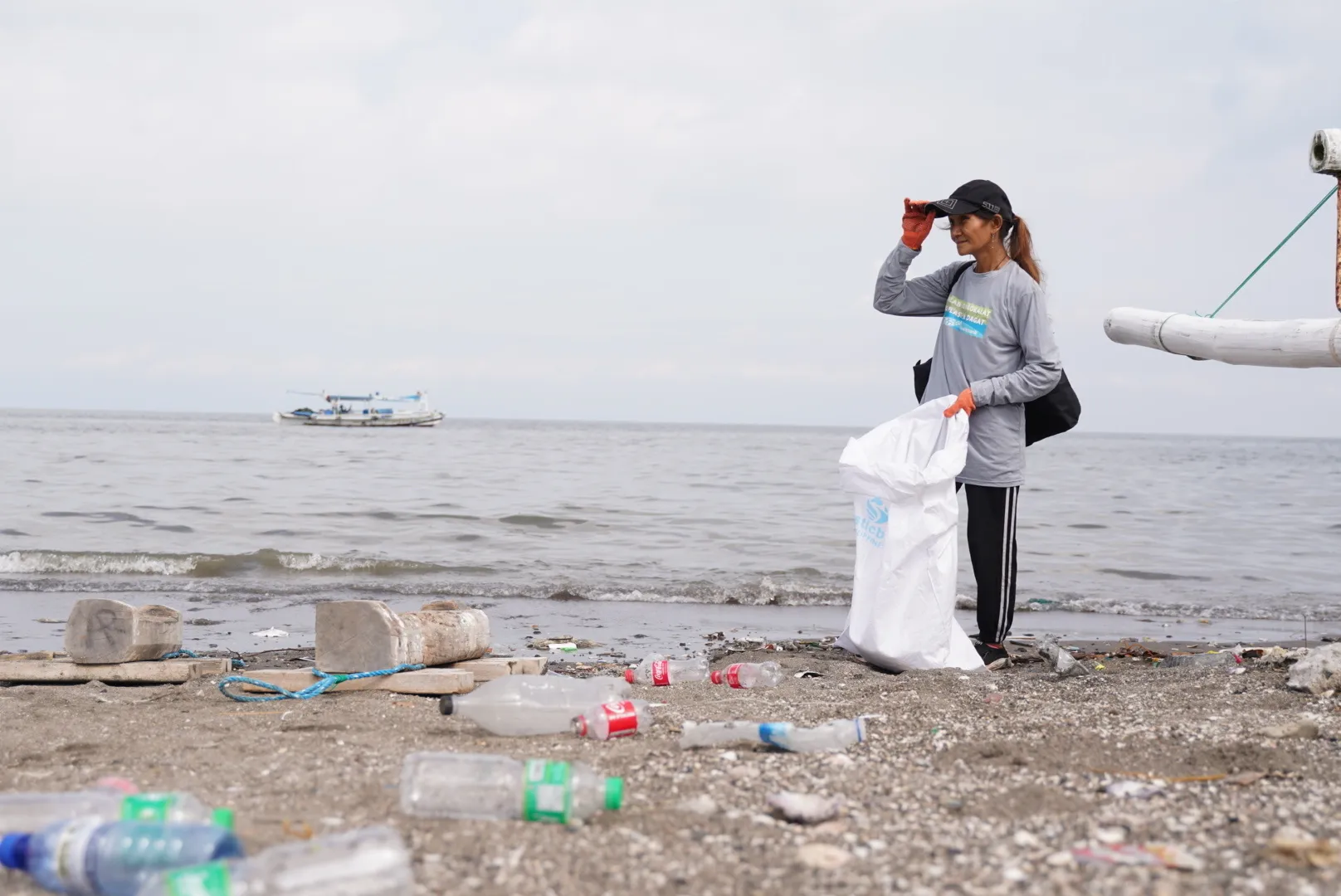
This is where Plastic Bank’s model comes into play. By offering financial incentives to collection members, plastic becomes too valuable to discard.
It gets collected, tracked, and processed so that it can be reintroduced into the supply chain instead of contributing to landfills or leaking into the environment.
This approach does more than recover plastic. It also reduces pressure on landfill systems, creates measurable environmental impact, and supports communities through added income opportunities. Most importantly, it shifts the mindset from managing waste after it becomes a problem to building systems that prevent the problem.
What businesses can do next
The landfill fire in Navotas is a reminder that waste management cannot remain reactive.
For obliged enterprises, EPR creates an opportunity to take a more active role in shaping how plastic is recovered and managed.
This means partnering with systems that work in the areas where plastic is collected, tracked, and kept out of landfills altogether.
If your organization is looking to strengthen its EPR strategy, now is the time to move beyond compliance and invest in solutions that don’t just account for waste but prevent it.