

Loading...
Without quitting your day job.
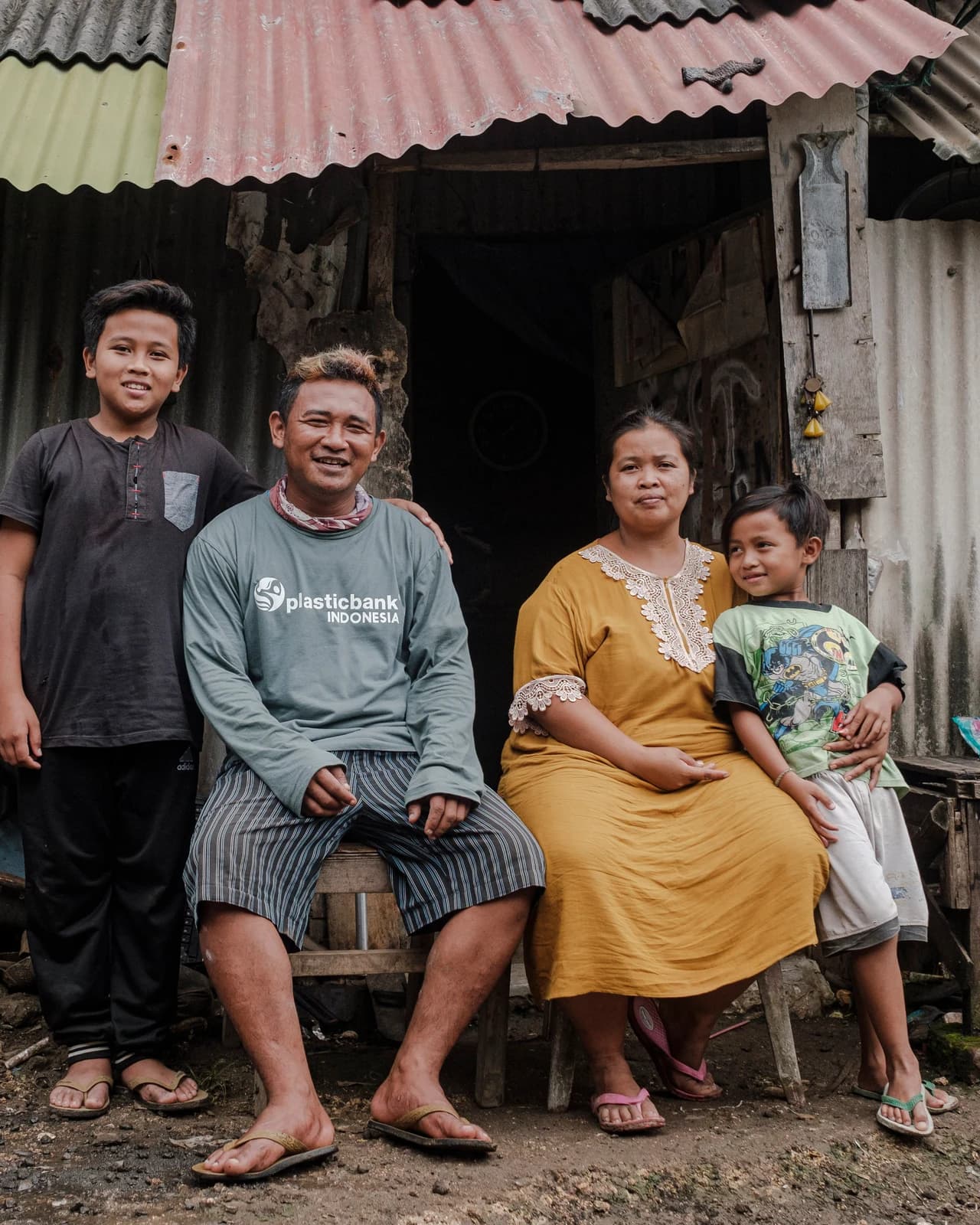
Juhari gathers plastic. You make it worth something. Join free, and the first 50 bottles are on us.
 Featured
Cut through the noise. These are the numbers that put the ocean plastic crisis in real perspective. There is no shortage of alarming plastic statistics. The problem is that many of the numbers floating around (pun intended) are outdated, misleading, or stripped of context. Some overstate the crisis in ways that paralyze rather than motivate. […]
 Featured
Your phone battery barely lasts two years. A kitchen appliance stops working just after its warranty expires. A chair breaks, but replacement parts are impossible to find. For many consumers, these experiences feel normal now. Replacing products has become easier, and sometimes cheaper, than repairing them. Over time, this has created a culture where disposal is expected and durability feels almost old-fashioned. But in communities around the world, repair cafés, local workshops, maker spaces, and community repair hubs are helping people rethink the value of the things they own. Instead of throwing products away, people are learning how to fix them, extend their lifespan, and reconnect with the idea that products should be built to last. Repair hubs are doing more than saving broken items. They are challenging the systems and habits that fuel throwaway culture.
 Featured
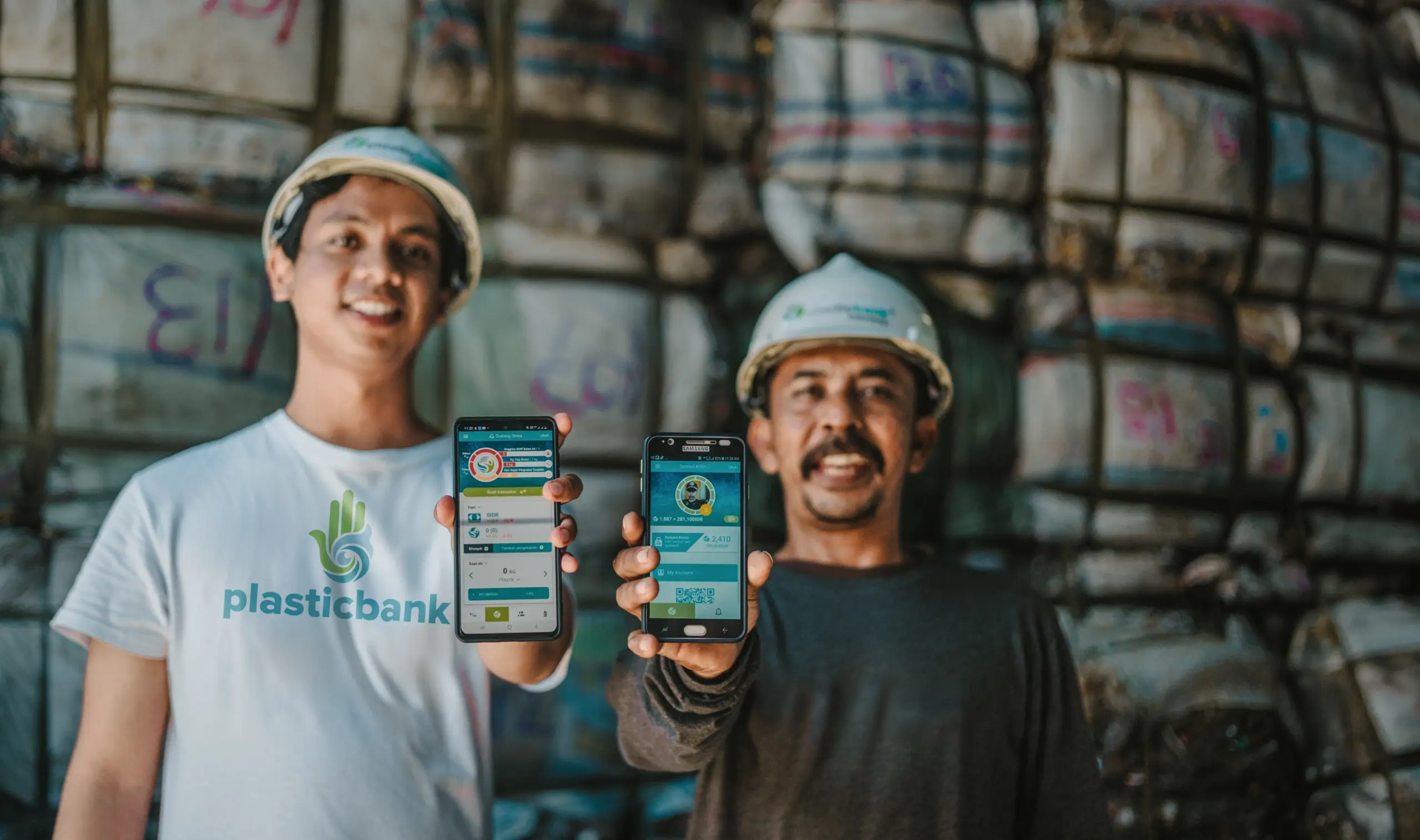
How a technology built for financial transactions became infrastructure for environmental accountability, and what it actually does inside Plastic Bank’s collection system. Disclosure: This article is published by Plastic Bank, which uses blockchain as a core part of its operations. Our methodology and sources are at the bottom. Blockchain has a reputation problem in sustainability. […]
 Featured
Five different approaches to the same crisis. Here is what each organization does, how they measure impact, and where they focus. Disclosure: This article is published by Plastic Bank, which appears on this list. Our methodology and full source list are at the bottom. Millions of metric tons of plastic enter the world’s oceans, rivers, […]
 Featured
Sustainability is no longer a checkbox, it is a driver of long-term growth. As consumers become more conscious of the impact behind the products they buy, they are choosing brands that reflect their values. Since 2013, Plastic Bank has helped organizations transform sustainability commitments into measurable, verified impact – creating solutions that benefit both people and the planet. At the same time, the world is evolving rapidly. Increasing uncertainty demands that organizations operate with greater efficiency, transparency, and resilience. At Plastic Bank, technology continues to be the force that enables us to meet this moment – strengthening our ability to scale impact while improving operational effectiveness.
 Featured
St. Patrick’s Day is a joyful celebration of community and culture, but it can also create a lot of unnecessary waste from single-use plastics, disposable decorations, takeaway containers, and party supplies.
 Featured
Latest global data on plastic pollution by country and the solutions helping turn the tide.
 Featured
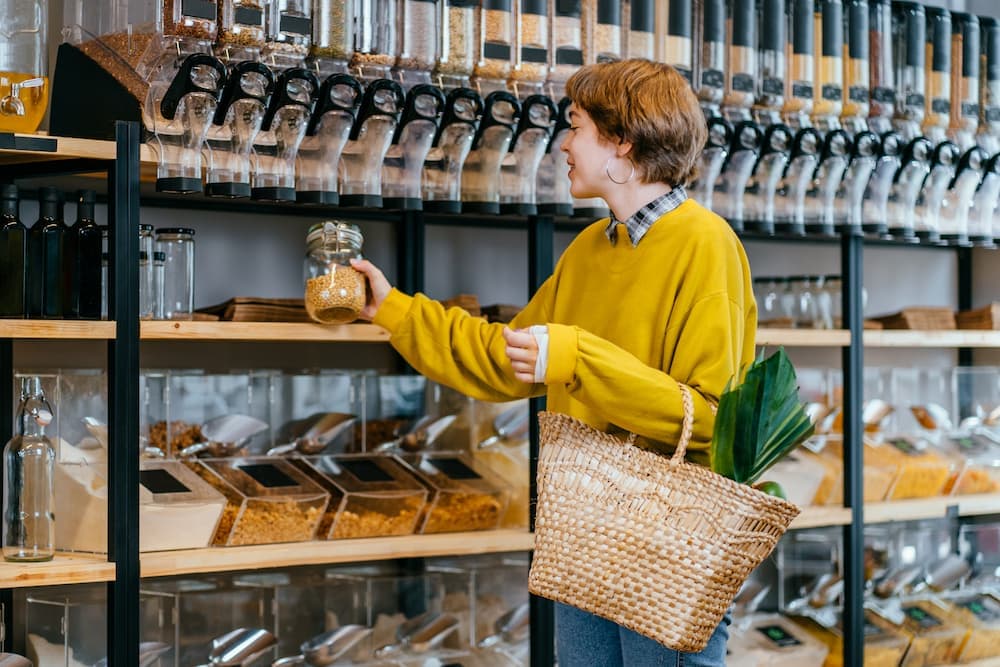
Explore the consumer-driven shift toward sustainability, highlighting brands embracing eco-friendly practices and making a lasting impact. Learn how to align your business with this global movement.
 Featured
Uncover how it all began! Discover Plastic Bank’s journey from realization and vision to global impact, transforming plastic waste into currency and empowering communities.
 Featured
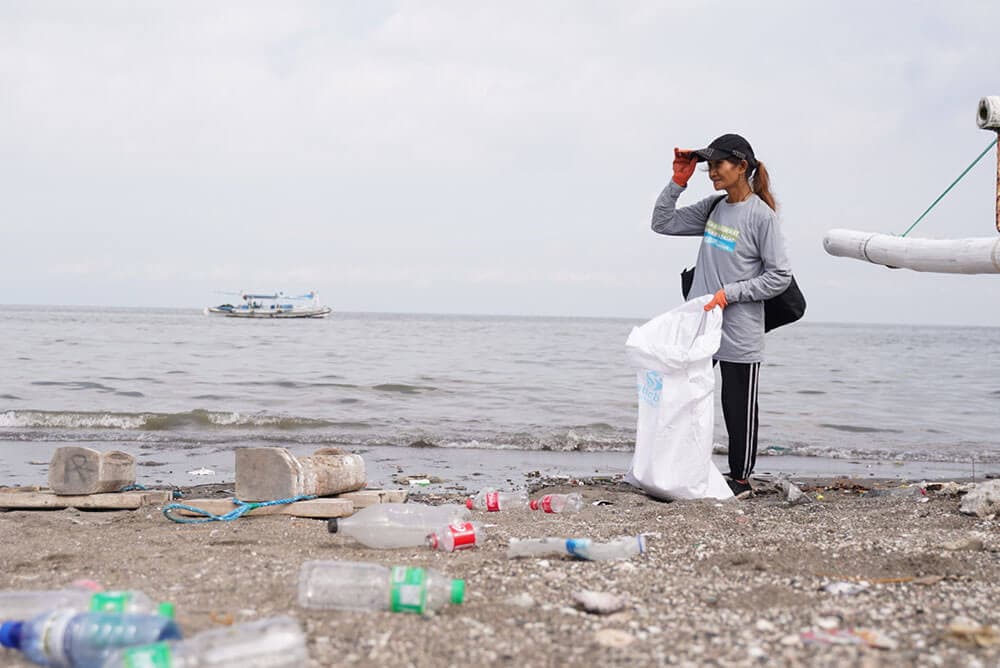
Plastic waste on the Julugan Fish Terminal, the Philippines. Every year, between 19 and 23 million tonnes of plastic waste enter rivers, lakes, and oceans worldwide, according to the UN Environment Programme. That is the equivalent of a garbage truck every single minute. The plastic in the ocean now numbers between 82 and 358 trillion particles […]