

 Purpose and Profit
Join the global bottle deposit program
Fuelled by the world’s most progressive people.
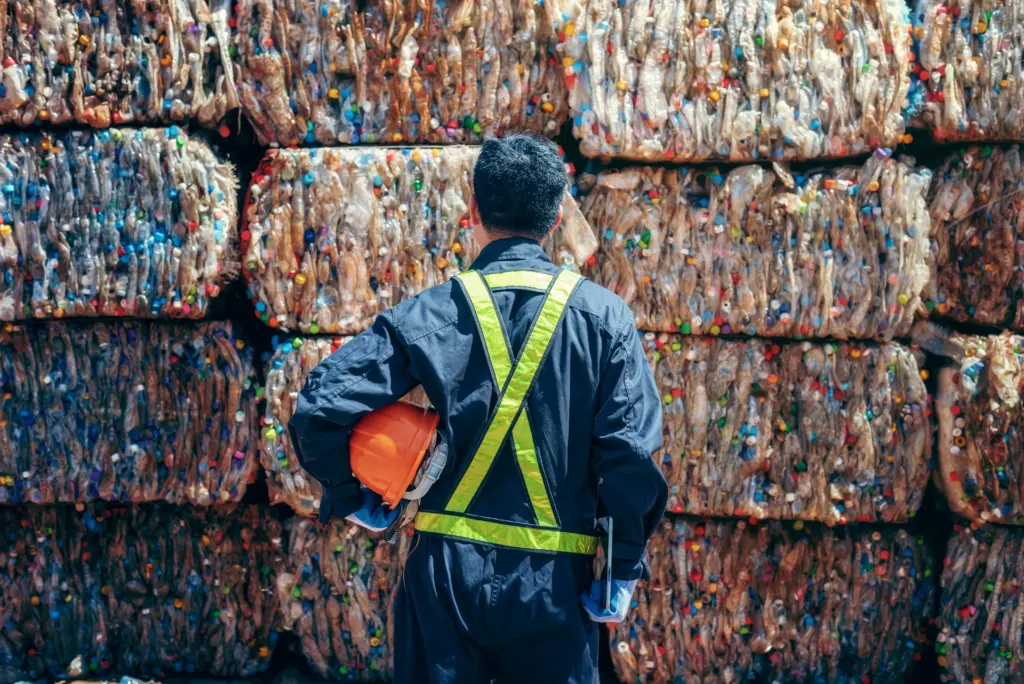
The Philippines’ Extended Producer Responsibility (EPR) Act has delivered encouraging results. Since its implementation, businesses have recovered millions of kilograms of plastic waste, helping the country exceed mandated recovery targets.1
Yet despite this progress, plastic leakage remains a significant challenge. Recent discussions from the Department of Environment and Natural Resources (DENR) highlight an important reality: meeting recovery targets is only one part of building an effective circular economy.
As companies prepare for the June 30 EPR compliance deadline, understanding these challenges is becoming increasingly important.
Why plastic leakage still happens
While the Philippines has environmental laws in place,2 gaps in collection, segregation, and waste management infrastructure continue to allow plastic to escape into the environment.
This highlights one of the biggest limitations of EPR: plastic can only be recovered if it enters the collection system in the first place.
Effective implementation requires stronger coordination between producers, local governments, collection networks, and consumers.
Recovery is growing faster than recycling capacity
Ironically, one of the newest EPR challenges stems from success.
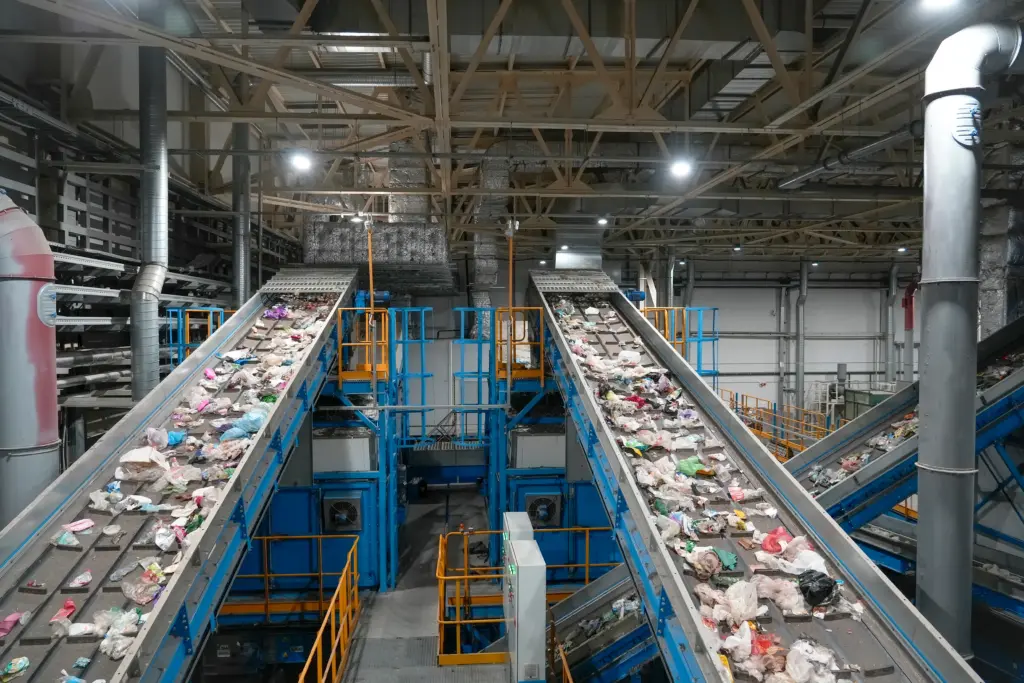
As companies exceed recovery targets, the volume of recovered plastic is beginning to outpace available recycling and processing capacity.3
Without adequate infrastructure, recovered plastics risk accumulating faster than they can be transformed into new products.
The missing link: Integrating the informal waste sector
For decades, the informal waste sector has been responsible for recovering a significant portion of the country’s recyclable materials. Yet these collection networks have often operated outside formal waste management systems.
Strengthening the connection between EPR programs and the informal waste sector could help improve collection rates while creating more inclusive and resilient recovery systems.
Compliance is becoming more complex
As EPR matures, businesses must also navigate increasing expectations around reporting, verification, and auditing.
As recovery targets increase each year, businesses face growing expectations around reporting, verification, and traceability. Demonstrating that plastic has been properly recovered and processed is becoming just as important as achieving recovery volumes.
How Plastic Bank helps companies address these challenges
The challenges highlighted by the DENR point to a broader need within EPR programs: trusted collection networks, transparent recovery data, and stronger integration of the informal waste sector.
Plastic Bank was built around these priorities.
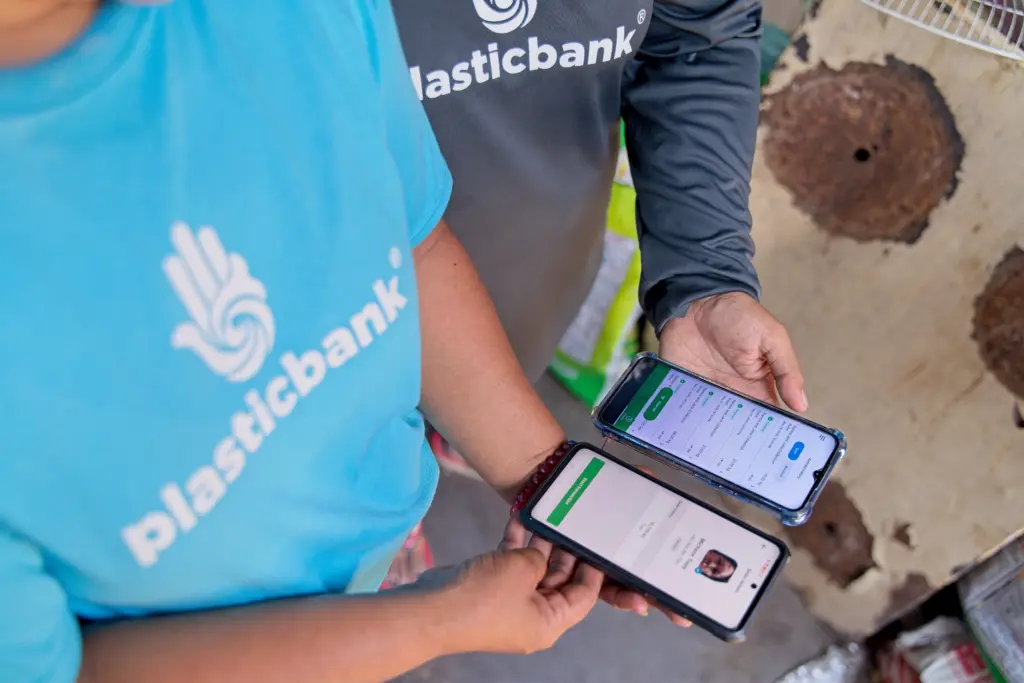
Through Plastic Bank’s blockchain-secured platform, every collection transaction is recorded and verified, creating a transparent chain of custody for recovered plastic.
The platform enables traceability, allowing participating businesses to demonstrate measurable environmental impact while supporting communities that play a vital role in the circular economy.
Most importantly, Plastic Bank’s model helps formalize and strengthen the participation of the informal waste sector, an area that is essential for long-term EPR success.
Looking ahead
The EPR Act has already demonstrated that meaningful progress is possible. Recovery targets are being exceeded, more businesses are participating, and awareness of producer responsibility continues to grow.
At the same time, it is clear that compliance alone is not enough. Addressing plastic leakage will require stronger collection systems, expanded recycling infrastructure, greater support for the informal waste sector, and improved transparency across recovery programs.