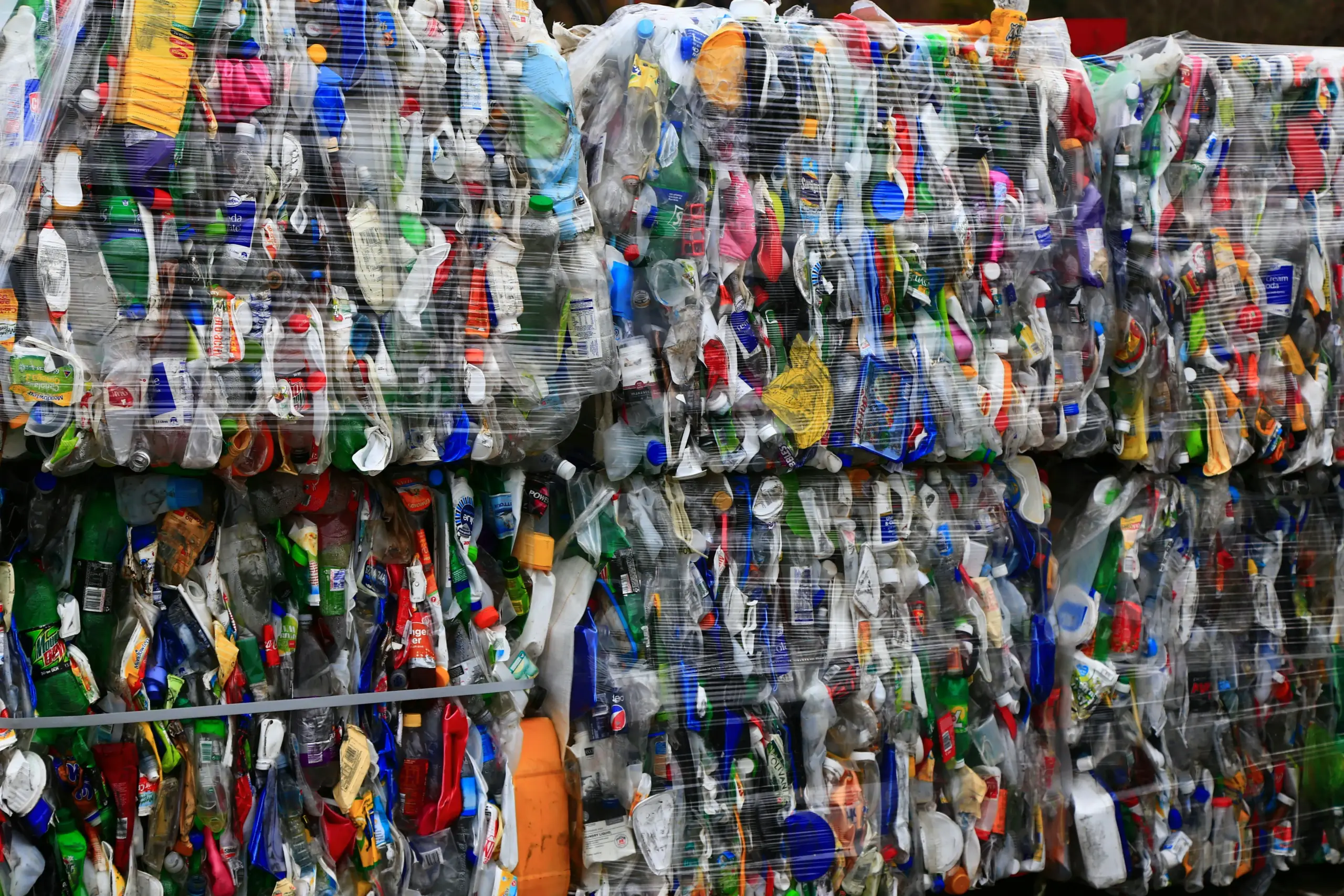
St. Patrick’s Day is a joyful celebration of community and culture, but it can also create a lot of unnecessary waste from single-use plastics, disposable decorations, takeaway containers, and party supplies.
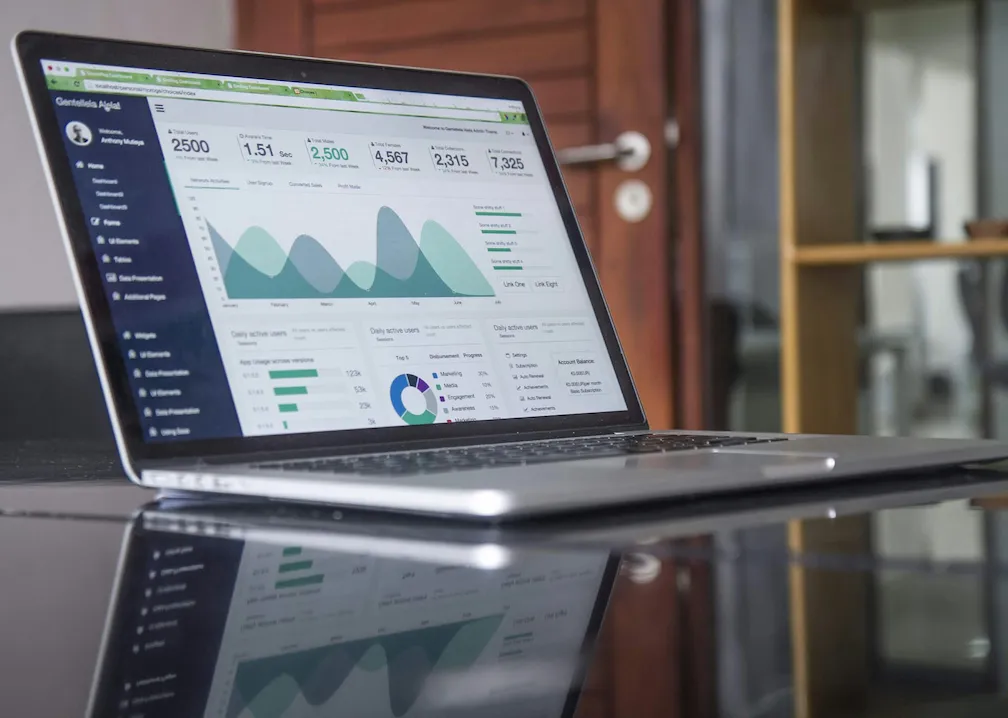
EPR compliance tracking has become essential for companies operating in the Philippines under Republic Act 11898, the Extended Producer Responsibility (EPR) law of 2022. As businesses strive to meet regulatory requirements and support circular economy goals, technology brings transformative power. From blockchain‑enabled data platforms to ESG reporting tools and real‑time dashboards, innovative systems help organisations accurately track, audit, and report their EPR performance.
Sustainability is no longer a checkbox, it is a driver of long-term growth.
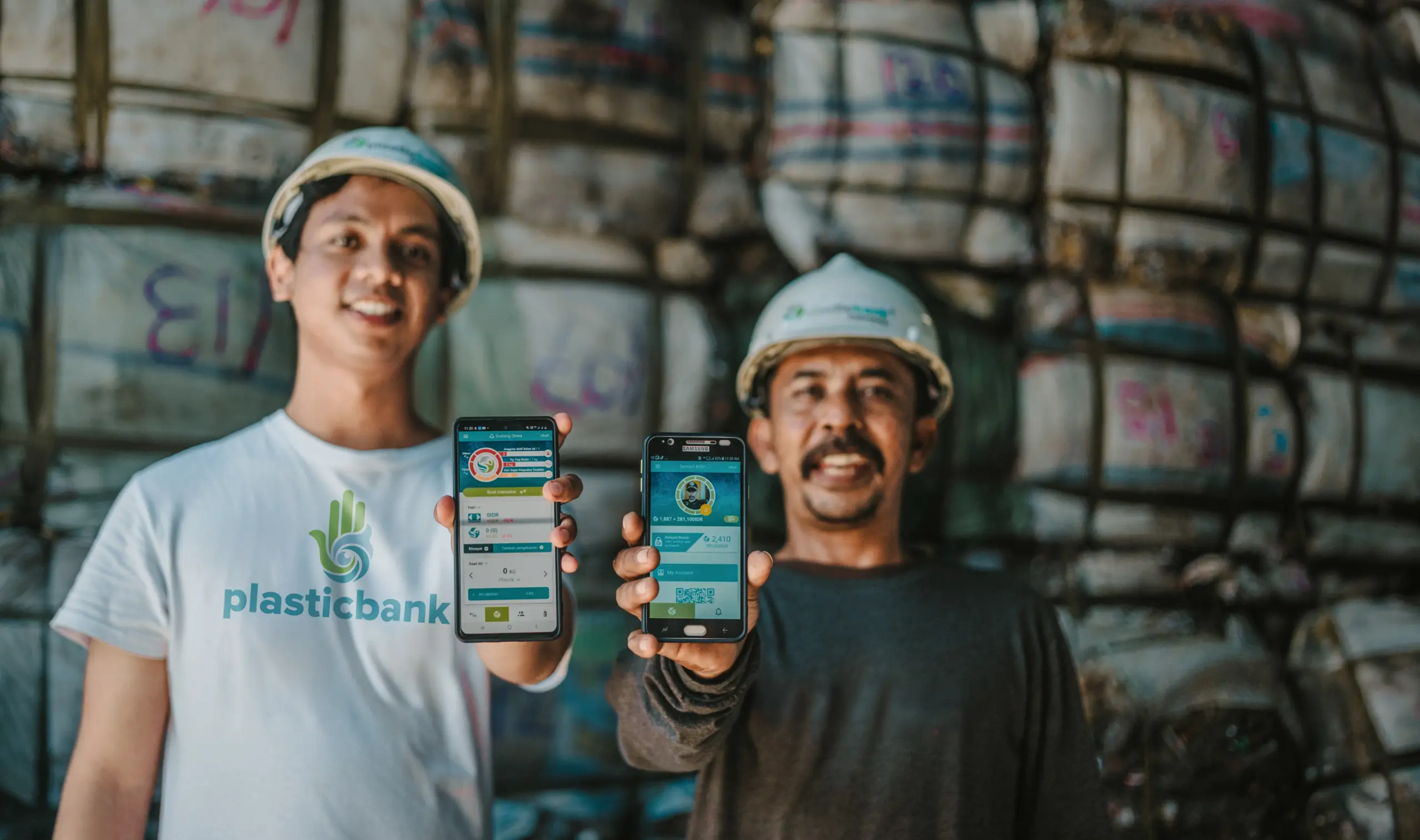
As consumers become more conscious of the impact behind the products they buy, they are choosing brands that reflect their values. Since 2013, Plastic Bank has helped organizations transform sustainability commitments into measurable, verified impact - creating solutions that benefit both people and the planet.
At the same time, the world is evolving rapidly. Increasing uncertainty demands that organizations operate with greater efficiency, transparency, and resilience. At Plastic Bank, technology continues to be the force that enables us to meet this moment - strengthening our ability to scale impact while improving operational effectiveness.
Five different approaches to the same crisis. Here is what each organization does, how they measure impact, and where they focus. Disclosure: This article is…




 Featured