Plastic pollution has become one of the most pressing environmental issues of our time. From the depths of the oceans to the peaks of mountains, plastic waste is ubiquitous, threatening ecosystems and human health alike. In response to this crisis, a global movement known as Plastic Free July has emerged, empowering individuals, communities, and organizations to take action against plastic pollution.
Extended Producer Responsibility (EPR) isn’t just another compliance requirement. It’s a strategic opportunity to improve your environmental performance, strengthen your brand, and contribute to a thriving circular economy. But to navigate the complexities of the Philippines’ EPR landscape (Republic Act 11898)1, your business needs a partner with proven capabilities, regulatory insight, and measurable impact.
Your EPR partner should help you reduce risk, deliver traceable impact, and integrate sustainability into your business model.
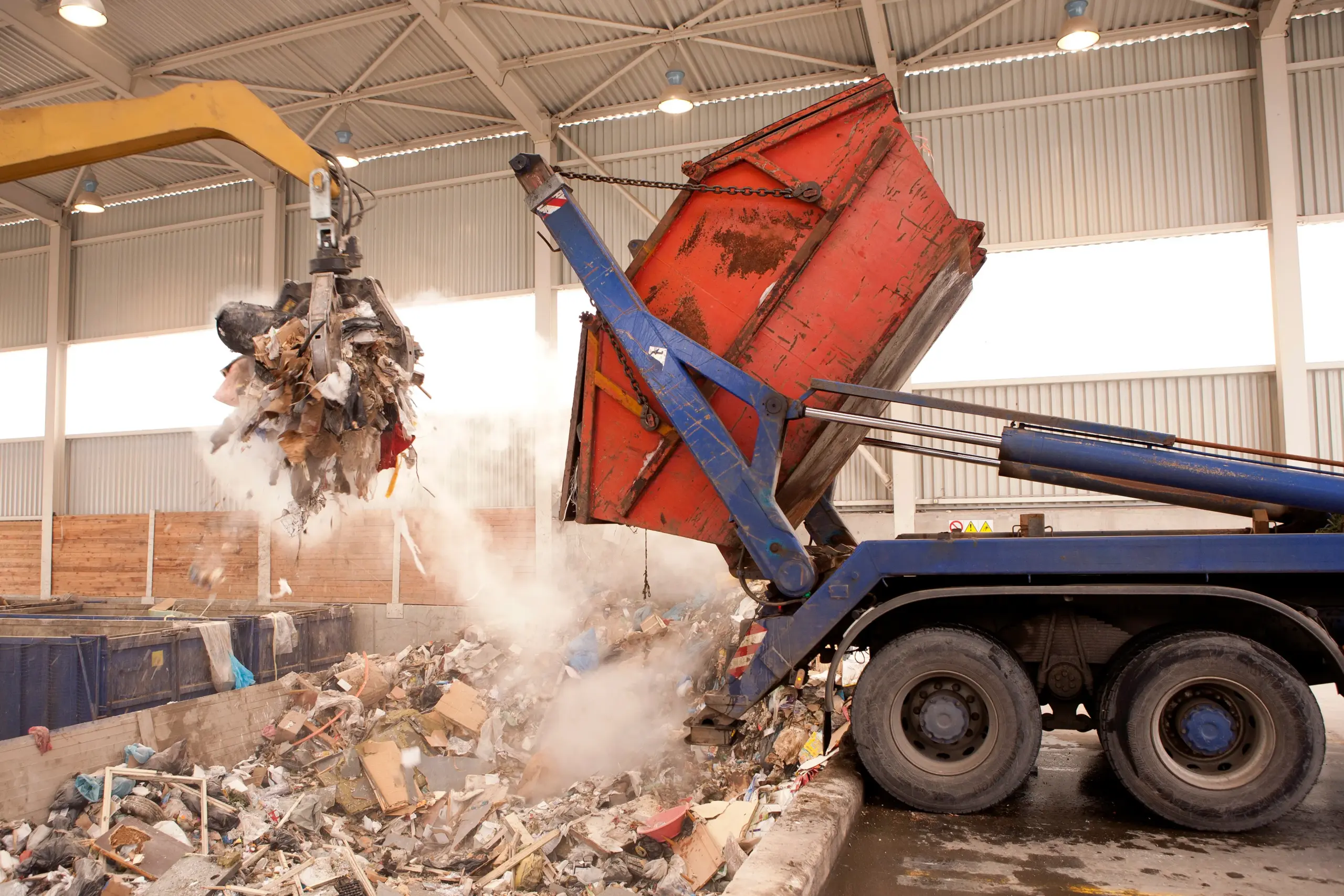
As businesses look for ways to meet their sustainability goals and comply with environmental regulations, many are exploring new approaches to managing waste. One solution that often comes up is waste-to-energy (WtE), which turns waste into electricity or heat instead of sending it to landfills.
At first glance, the idea sounds like a win-win: less waste and more energy. But when it comes to plastic waste management and Extended Producer Responsibility (EPR), the reality is more complex. While waste-to-energy can help reduce the amount of waste that needs to be disposed of, it is not a complete solution to plastic pollution.
Despite their importance, wetlands face serious threats from human activities, including plastic pollution, climate change, and industrial development. Protecting wetlands isn’t just about saving the environment—it’s about securing a healthy planet and a better future for all.




 Plastic Pollution and Recycling