

Loading...

As businesses look for ways to meet their sustainability goals and comply with environmental regulations, many are exploring new approaches to managing waste. One solution that often comes up is waste-to-energy (WtE), which turns waste into electricity or heat instead of sending it to landfills.
At first glance, the idea sounds like a win-win: less waste and more energy. But when it comes to plastic waste management and Extended Producer Responsibility (EPR), the reality is more complex. While waste-to-energy can help reduce the amount of waste that needs to be disposed of, it is not a complete solution to plastic pollution.
As interest in circular economy solutions grows, so does interest in technologies that can recover value from waste. However, sustainability isn’t simply about what happens to waste after it’s thrown away. It also looks at reducing waste in the first place, recovering materials that can be reused or recycled, and preventing plastic from leaking into the environment.
Understanding where waste-to-energy fits within this bigger picture can help businesses make more informed decisions about their sustainability and EPR strategies.
Fuelled by the world's most progressive people.
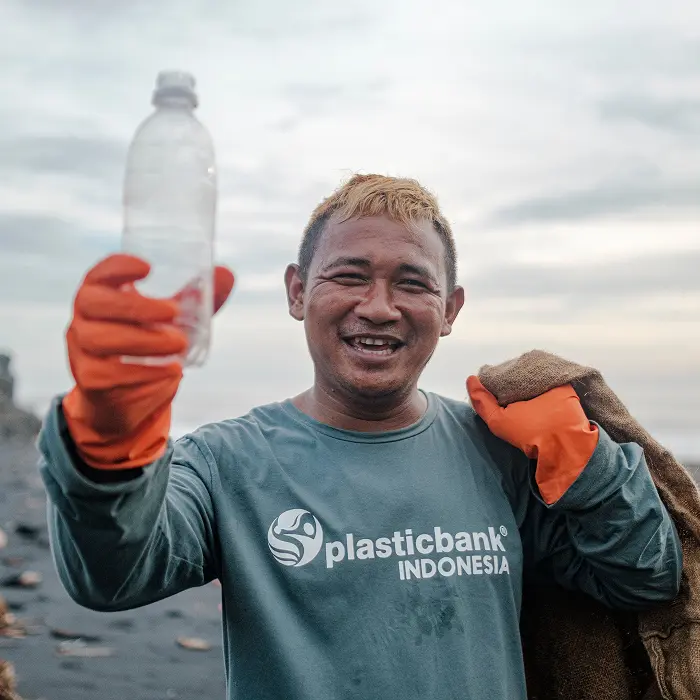
Waste-to-energy (WtE) is a way of generating energy from waste that would otherwise be sent to a landfill. The most common form is incineration, where waste is burned in a controlled facility to produce heat and electricity.
Instead of simply disposing of waste, these facilities aim to recover some value from it. In many parts of the world, waste-to-energy is used to manage materials that cannot be easily reused or recycled.
The process generally follows several steps. :
However, not all waste is created equal. Some materials, such as plastic bottles and containers, can often be recycled and used again. When those materials are burned for energy, they are removed from the recycling loop permanently.
The Philippines faces a growing waste challenge.
As cities grow and consumption increases, more waste is being generated every year. Local governments must manage this waste while dealing with limited landfill space, rising costs, and varying levels of waste collection and recycling infrastructure.
By 2030, the World Bank forecasts municipal solid waste generation to reach 20 million tonnes in the Philippines.¹ This is one reason why discussions around waste-to-energy projects continue to gain attention. Supporters see waste-to-energy as a way to reduce the amount of waste going to landfills while also generating electricity. But like any waste management solution, it comes with trade-offs that need to be carefully considered.
Waste-to-energy is not a new idea in the Philippines.
For years, local governments, investors, and policymakers have explored whether waste-to-energy facilities could help address the country’s waste management challenges. Interest has grown alongside concerns about landfill capacity and increasing waste generation.
At the same time, waste-to-energy projects have sparked discussions about environmental impacts, emissions, and how these technologies fit within existing waste management laws.
Republic Act No. 9003, also known as the Ecological Solid Waste Management Act of 2000, prohibits incineration that emits toxic and poisonous fumes.² Because of this, discussions around waste-to-energy often focus on whether proposed technologies can meet environmental regulations and emissions standards.
To understand the role of waste-to-energy, it helps to look at the waste management hierarchy.
This framework ranks waste management options according to their environmental impact:

The goal is simple: keep materials in use for as long as possible before considering disposal.
This is why energy recovery sits below recycling in the hierarchy. Recycling keeps materials in circulation, while waste-to-energy destroys them in the process of generating energy.
For example, a plastic beverage bottle can be collected and recycled into a new product. If that same bottle is burned for energy, the material is gone forever.
That distinction becomes especially important when discussing plastic packaging and EPR programs.

Plastic plays a unique role in the waste-to-energy debate.
Many plastics contain a significant amount of stored energy, which means they can generate heat when burned. This makes them attractive materials for waste-to-energy facilities.
At the same time, many of these plastics can also be recycled. For example, PET beverage bottles, HDPE detergent and shampoo containers, and polypropylene food packaging can often be collected, processed, and turned into new products.
This raises an important question: should recyclable plastics be burned for energy, or should they be recycled and kept in circulation?
Many sustainability experts argue that recyclable materials should be recycled whenever possible, with energy recovery reserved for materials that cannot be practically recycled.
Both recycling and waste-to-energy help keep waste out of landfills, but they work in very different ways.
Recycling gives materials a second life. A plastic bottle can become a new bottle, textile, or other product so the material stays in use and continues to provide value.
Recycling can help reduce demand for virgin materials, keep resources in circulation, support circular economy goals, and lower environmental impacts.
Waste-to-energy recovers energy from waste through combustion. Potentially, it can reduce landfill volumes, generate energy, and manage residual waste.
However, once the material is burned, it can no longer be used again. This is why recycling sits higher than energy recovery in the waste management hierarchy.
The Philippines’ Extended Producer Responsibility law, Republic Act No. 11898, requires obligated enterprises to recover increasing amounts of plastic packaging over time, reaching 80% by 2028.³
For businesses pursuing EPR compliance requirements, this creates an important consideration.
While waste-to-energy may help manage residual waste, it should not be viewed as a replacement for collection and recycling programs. The goals of EPR are closely linked to improving material recovery, reducing waste leakage, and supporting more circular use of resources.
While waste-to-energy offers potential benefits, implementing it at scale is not always straightforward.
One concern is that waste-to-energy facilities need a steady supply of waste to operate efficiently.
Some of that waste may include materials that could otherwise be recycled. If recyclable plastics are consistently directed toward energy recovery, fewer materials remain available for recycling systems.
Building and operating waste-to-energy facilities is expensive.
Projects require specialized infrastructure, environmental monitoring systems, and ongoing maintenance. For many cities and municipalities, these costs can be difficult to justify without long-term funding and operational support.
Waste-to-energy works best when waste streams are properly managed.
However, waste segregation remains inconsistent in many communities. When recyclables, organics, and residual waste are mixed together, it becomes harder to recover valuable materials before they are disposed of or burned.
Waste-to-energy projects often face scrutiny regarding air emissions, ash management, and environmental impacts.
Clear communication about how waste is managed, how emissions are controlled, and how environmental impacts are monitored can play an important role in building confidence among communities and stakeholders.
Perhaps the biggest limitation is that waste-to-energy addresses waste after it has already been generated.
It does not reduce unnecessary packaging. Nor does it improve product design. It also does not prevent plastic from entering rivers, coastlines, and communities in the first place.
To tackle plastic pollution, collection and recovery systems remain essential.
Before plastic can be recycled or considered for energy recovery, it first needs to be collected. This may sound obvious, but it is one of the biggest challenges in plastic waste management.
Every year, significant amounts of plastic are lost to the environment because they are not captured by formal collection systems. Once plastic leaks into waterways, coastlines, and public spaces, it becomes much harder and more costly to recover.
That is why strong collection systems are so important.
Collection helps prevent plastic pollution, recover valuable materials, support recycling, improve resource efficiency, and create measurable environmental impact. Without collection, neither recycling nor waste-to-energy can achieve their full potential.
The most effective waste management strategies combine multiple solutions.
Waste-to-energy can play a role in managing residual waste that cannot be reused or recycled. However, it should generally be viewed as one part of a broader strategy rather than a replacement for collection, recycling, or waste reduction efforts.
A practical approach often follows this sequence:
This approach aligns more closely with long-term sustainability and circular economy goals.
Waste-to-energy can play a role in managing residual waste that cannot be reused or recycled. It may help reduce landfill volumes and recover energy from materials that would otherwise be discarded. However, it is not a replacement for collection, recycling, or waste reduction.
For businesses navigating EPR compliance requirements, the biggest opportunities often lie higher up the waste management hierarchy. Reducing waste, improving collection systems, and increasing recycling rates can help keep valuable materials in circulation while preventing plastic from becoming pollution.
Meaningful impact starts with collection. By recovering plastic before it reaches the environment and supporting recycling systems that keep materials in use, businesses can move beyond compliance and contribute to a more circular future.
 Traceability and Circular Economy
Have you ever wondered where all your plastic packaging goes? The fabric conditioner you used last week, the bottled water you thoughtlessly threw in the garbage, or the countless shampoo sachets you have used in the past month – do you know where all of these go?
 Purpose and Profit
Extended Producer Responsibility (EPR) is more than a regulatory checkbox—it’s a strategic framework that holds producers accountable for the full life cycle of the products and packaging they introduce into the market.
 Poverty and Social Impact
The Philippines is dealing with a serious plastic waste problem—about 2.7 million metric tons of plastic are thrown away each year, and a lot of it ends up in our oceans.
 Traceability and Circular Economy
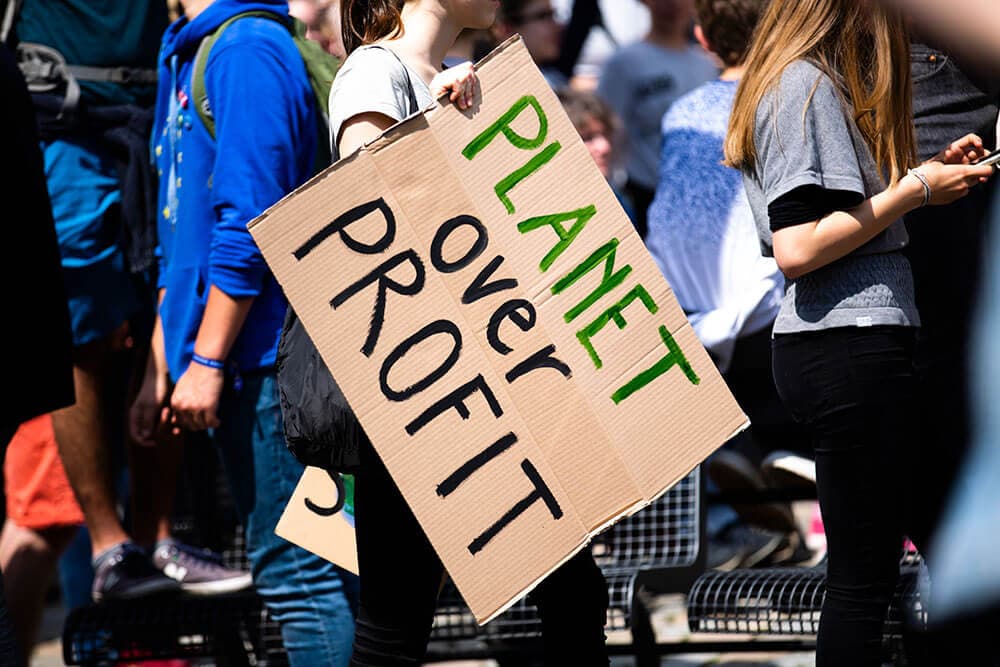
Photo by Markus Spiske on Unsplash Our planet is drowning in plastic waste. Discarded single-use plastic is polluting beyond our communities, reaching even the most remote locations in Antarctica1 and the high peak of Mt. Everest2. What’s worse is that plastic pollution now affects human blood. Microplastics appeared in blood samples of 17 out of […]