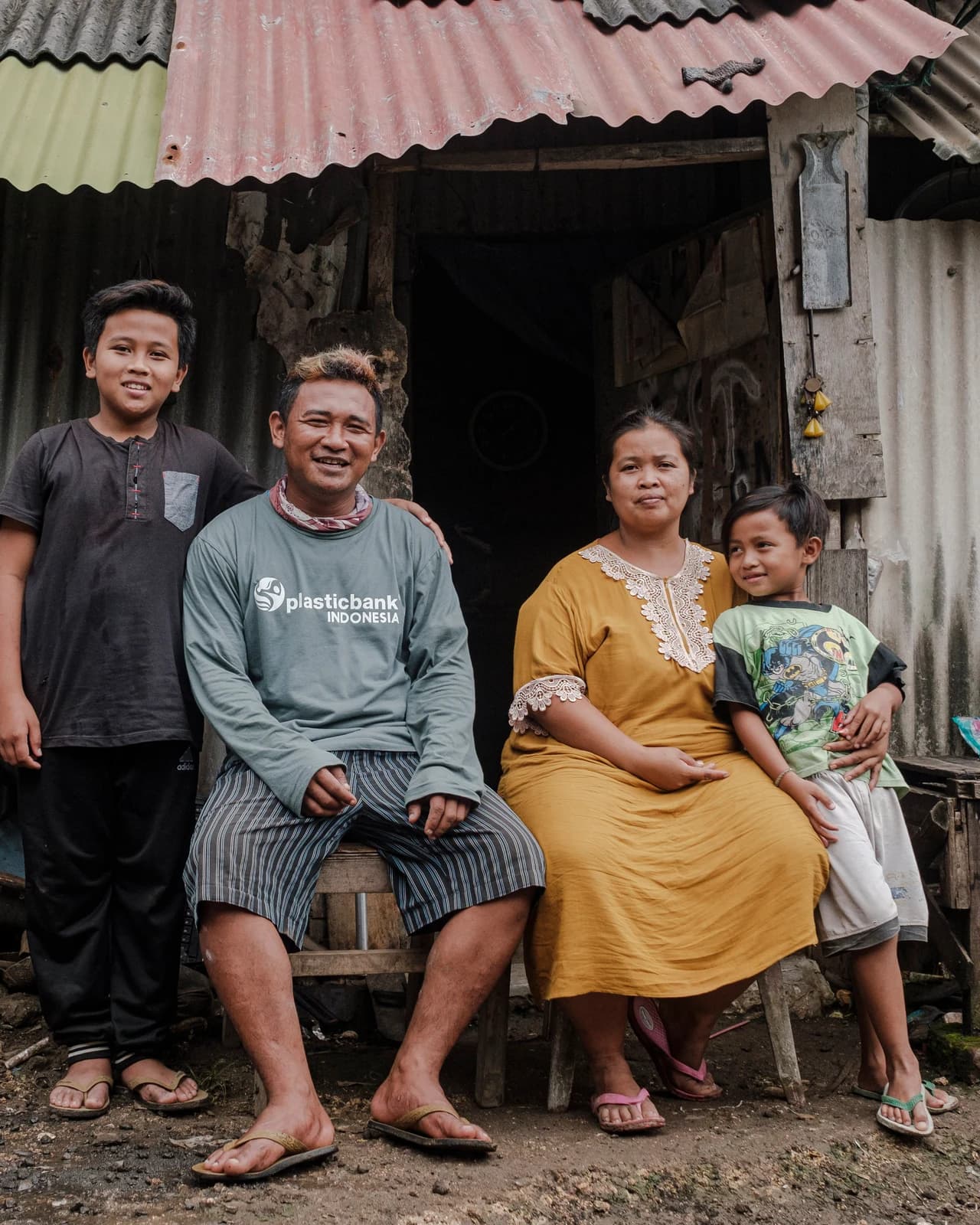
Extended Producer Responsibility compliance tracking in the Philippines
EPR compliance tracking has become essential for companies operating in the Philippines under Republic Act 11898, the Extended Producer Responsibility (EPR) law of 2022. As businesses strive to meet regulatory requirements and support circular economy goals, technology brings transformative power. From blockchain‑enabled data platforms to ESG reporting tools and real‑time dashboards, innovative systems help organisations accurately track, audit, and report their EPR performance.
EPR law Philippines: context and requirements
Republic Act 11898, also known as the Extended Producer Responsibility Act of 2022, came into effect in August 2022.1 It mandates that Obliged Enterprises (OEs)—companies with assets over ₱100 million, including brand owners, producers or importers—establish EPR programmes for plastic packaging waste. These programmes must register with the Department of Environment and Natural Resources (DENR) and meet recovery targets: 20% by end‑2023, 40% by 2024, rising 10 points annually up to 80% by 2028. As of May 2024, only 917 companies had registered under the EPR program. 2
Submissions include annual DENR EPR reporting, audited by independent bodies. Penalties apply if enterprises fail to register, misdeclare footprints, or falsify reports. Fine amounts can be twice the cost of recovery shortfall or more.

Challenges without technology
Without tech adoption, EPR compliance faces significant hurdles:
- Fragmented data collection across multiple suppliers, packaging types, and geographic zones
- Opportunities for error or misreporting, especially in manual auditing
- Lack of transparency for auditors and regulators, slowing down approval
- Difficulty integrating collection programs of communities or collectors into formal systems
- Limited visibility into real-time recovery metrics, causing delays in making timely adjustments
These gaps slow progress toward targets and can undermine trust in the system.

How technology enables precise EPR compliance tracking
Blockchain waste tracking for transparency
Technology like blockchain creates a secure, immutable ledger of collected plastic volumes. In the Philippines, Plastic Bank uses blockchain to log every transaction with collection members: weight, location, time‑stamp and conversion into plastic credits. Businesses accessing the platform gain auditable traceability they can use for DENR EPR reporting
Real‑time dashboards and ESG reporting tools
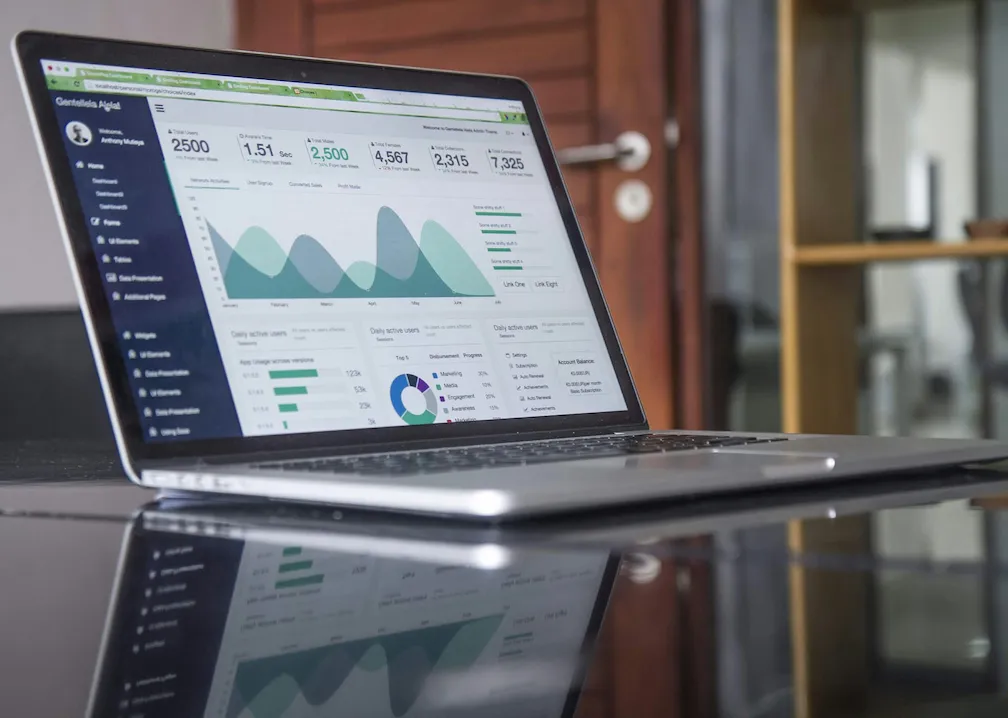
Digital dashboards aggregate data from partners, PROs (Producer Responsibility Organisations), and internal systems. Businesses can monitor recovery performance against targets and export reports suitable for ESG disclosures or EPR audit Philippines requirements.
Integrated audit support and footprint calculation
Cloud-based EPR platforms guide enterprises through plastic footprint calculation, tracking of recovery strategies, and submission of annual compliance audit reports (ECAR). Some platforms support automated supplier inquiries and packaging tracking, reducing manual workload and errors
Circular economy technology and data analytics
Advanced systems support sustainability compliance by analysing trends in material use, highlighting opportunities to shift to recycled content, redesign packaging, or reduce single-use plastics. These tools drive circular economy strategies beyond basic compliance.
Real‑world progress in the Philippines
Compliance numbers and ecosystem growth
A review by Evergreen Labs, WWF‑Philippines and Government of Norway found that by August 2024, about 44% of obliged enterprises had registered EPR programmes, and the 20% recycling target was met in 2023. However, data gaps and infrastructure issues remained substantial challenges (e.g. limited MRFs and low transparency).3
Meanwhile, the Philippines generates roughly 2.7 million tonnes of plastic waste annually4, and companies like Nestlé PH had diverted 79 million kg by mid‑2023 through partnerships engaging local systems and formal compliance pathways.5
Business‑PRO partnerships
Producer Responsibility Organisations (PROs) support OEs by offering digital platforms for footprint tracking, third‑party audit preparation, training, and consolidated reporting to DENR. Investing in PRO partnerships and digital systems enables companies to meet regulatory targets, improve transparency, and contribute to circular economy outcomes via sustainability compliance tools.
Benefits of embracing tech‑based EPR compliance tracking
- Improved accuracy and audit readiness: data is automatically captured, validated, and stored in a traceable format
- Enhanced transparency and credibility with regulators and stakeholders
- Operational efficiencies: less manual data entry, fewer errors, faster reporting cycles
- Insight-driven sustainability: analytics highlight reduction and recovery opportunities
- Scalable solutions: systems can expand with geographic scope or increasing volumes
Together, these benefits support Extended Producer Responsibility compliance at scale and elevate EPR audit Philippines from chore to strategic asset.
Smooth transitions: from data to action
- After establishing digital tracking, organisations can use the insights to redesign packaging or incorporate recycled content to reduce their footprint.
- As recovery improves, companies gain confidence, leading to better ESG disclosures, stronger reputation, and potentially financial incentives.
- Collecting data from collection members via blockchain platforms like Plastic Bank integrates underserved communities meaningfully into the circular economy.
Case example: Plastic Bank in action
Plastic Bank’s model illustrates the power of technology in EPR compliance tracking:
- Collection members in the Philippines bring plastic to registered branches. Blockchain records weight and identity of collector; the system issues plastic credit certificates convertible into cash or social benefits like grocery vouchers and training support
- Globally, Plastic Bank has collected over 162 million kg, including more than 35 million kg from the Philippines over 11 years, lifting incomes of thousands of collection members6
- The data is shared with corporate partners to support their EPR compliance via DENR EPR reporting and traceable plastic credits contribute toward recovery targets
How to track EPR compliance: practical steps
- Conduct a plastic footprint assessment — quantify packaging flows by type, weight, region
- Choose a technology‑enabled partner or PRO — ensure they offer blockchain or traceable tracking systems and audit support
- Implement tracking systems — register collection members, log transactions, and sync data into dashboards
- Monitor progress in real‑time — review dashboards to see recovery vs recovery targets
- Prepare and submit audit reports — use data summaries for ECAR and annual DENR submission
- Iterate and optimise — use analytics to reduce footprint, increase recycled content, engage more communities
This approach delivers both compliance and tangible sustainability outcomes.
Extended Producer Responsibility compliance: beyond regulation
While EPR compliance tracking is mandatory, technology enables businesses to transform it into a value‑adding process:
- ESG reporting tools can integrate EPR data into broader sustainability disclosures
- Brands gain stakeholder trust by sharing traceable impact dashboards and plastic credit certificates
- Companies can access financial incentives (e.g. tax credits, grants) tied to circularity performance
- Communities benefit through income streams and inclusion via collection member participation
Together, this fosters a circular economy where technology supports both environmental integrity and social equity.
Unlocking impact with technology
In the Philippines, achieving Extended Producer Responsibility compliance is no longer simply a regulatory requirement. Instead, it’s a strategic opportunity powered by technology. Through blockchain waste tracking, real‑time dashboards, ESG tools, and PRO collaboration, companies can meet EPR compliance tracking standards, reduce their plastic footprint, and support underserved communities in the circular economy.
Plastic Bank offers a proven model: enabling collection members to exchange plastic for income and social benefits, while offering enterprises transparent, traceable data that feeds directly into DENR EPR reporting and audit requirements. Businesses looking to align compliance with broader sustainability goals can explore Plastic Bank’s programs here.
Technology turns EPR compliance tracking from burden to opportunity and it empowers companies and communities to work together toward a cleaner planet and thriving circular economy. If you’re ready to transform your EPR journey through data and impact, the time to act is now.
—
Sources:
- “Extended Producer Responsibility Law,” Environment Management Bureau, ttps://www.emb.gov.ph/wp-content/uploads/2023/04/EPR-Frequently-Asked-Questions.pdf?
- “National Plastic Action Partnership: Tackling a problem that’s getting bigger,” Manila Bulletin, January 24, 2025, https://mb.com.ph/2025/1/24/national-plastic-action-partnership-tackling-a-problem-that-s-getting-bigger
- “A Year of Progress: Evaluating the Impact of Extended Producer Responsibility (EPR) in the Philippines,” Evergreen Labs, March 5, 2025, https://www.evergreenlabs.org/post/a-year-of-progress-evaluating-the-impact-of-extended-producer-responsibility-epr-in-the-philippines
- Market Study for Philippines: Plastics Circularity Opportunities and Barriers, World Bank Group, March 21, 2021, https://www.worldbank.org/en/country/philippines/publication/market-study-for-philippines-plastics-circularity-opportunities-and-barriers-report-landing-page
- “When plastic waste won’t wait: DENR, Nestlé PH organize multi-stakeholder discussions yielding recommendations for successful implementation of EPR law,” Department of Environment and Natural Resources, October 6, 2023, https://denr.gov.ph/news-events/when-plastic-waste-wont-wait-denr-nestle-ph-organize-multi-stakeholder-discussions-yielding-recommendations-for-successful-implementation-of-epr-law/
- Kathleen de Villa, “Reusing plastic ‘a win for everyone’”, Philippine Daily Inquirer, June 5, 2025, https://newsinfo.inquirer.net/2067172/reusing-plastic-a-win-for-everyone