

Loading...
Fuelled by the world's most progressive people.
 Plastic Pollution and Recycling
When a plastic package reaches the end of its useful life, someone still has to collect it, sort it, transport it and find a responsible way to manage it. In the Philippines, that responsibility is increasingly becoming part of doing business. This is where a producer responsibility organization comes in. But what exactly is a PRO, and what does it actually do for companies?
 Plastic Pollution and Recycling
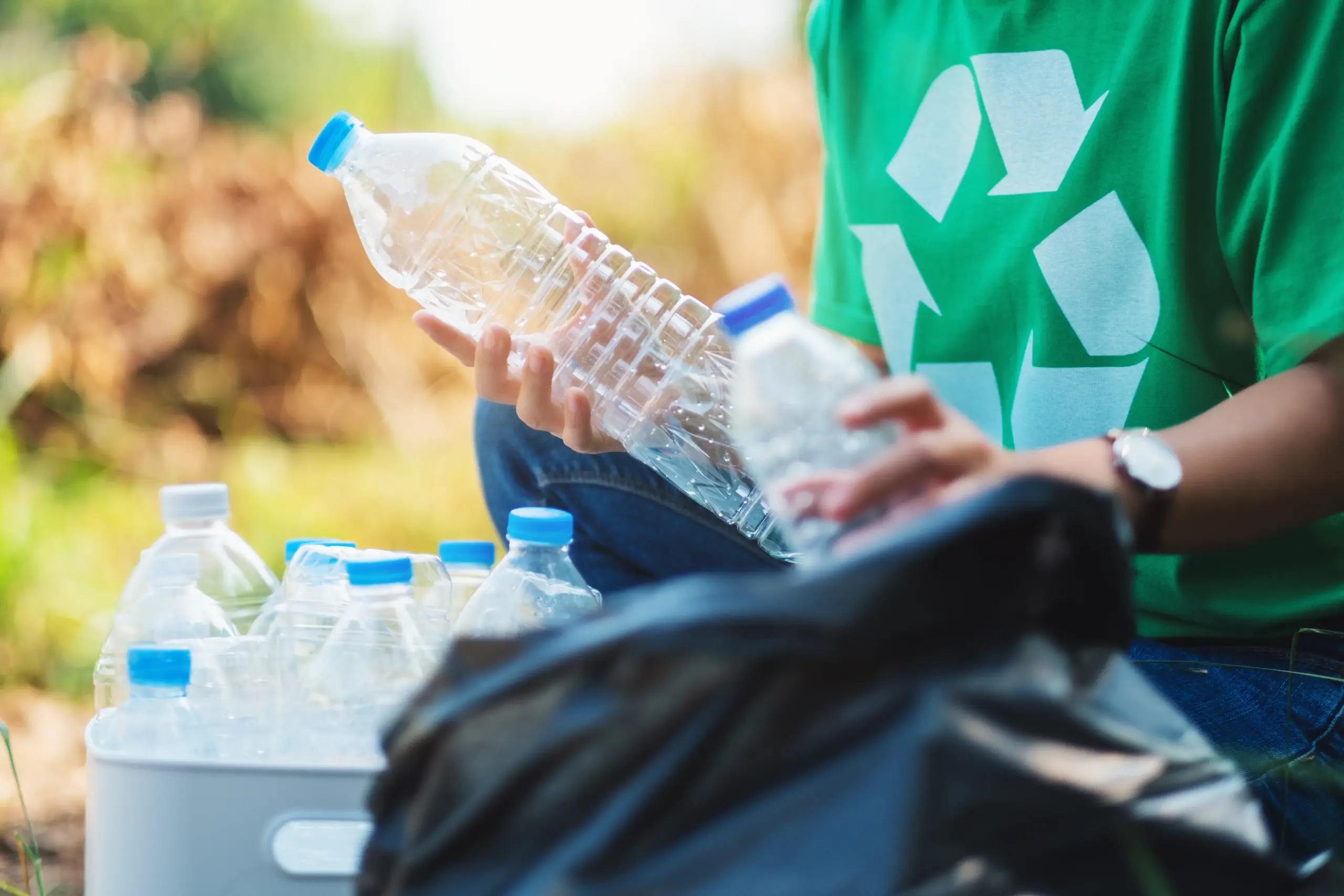
What if the plastic bottle in your hand didn’t have to start from scratch? Instead of using new raw materials to make another bottle, we could recover plastic that has already been used and give it another life. That’s the basic idea behind recycled plastic. But how different is it from virgin plastic, and does choosing recycled plastic really make a difference?
 Plastic Pollution and Recycling
Every day, millions of Filipinos make choices about what they buy, use and throw away. But what happens after something is placed in a bin is easy to overlook. A plastic bottle, food container or piece of packaging does not simply disappear when it leaves our hands. It enters a much larger system involving collection, sorting, recovery, transportation, recycling and, eventually, the return of materials into the economy. At many points along that journey are people whose work determines whether valuable materials are recovered or lost. These are the waste workers who collect, sort, recover and manage discarded materials across the country.
 Plastic Pollution and Recycling
Recycling is often presented as a simple choice: use the right bin, separate your waste and do your part. But in reality, making the right choice is not always that simple. A single plastic package may leave someone wondering whether it is recyclable, where it should go, or whether it will actually be recycled after collection. When the answers are unclear, even people who want to do the right thing can get it wrong. This is why a successful a recycling system needs to do more than ask people to recycle. It needs to make recycling clear, convenient and worthwhile.
Plastic Pollution and RecyclingA plastic bottle doesn’t become worthless the moment you throw it away. It still has the potential to become something new, whether that’s another bottle, outdoor furniture, or packaging made with recycled plastic. But that potential depends partly on what happens before it reaches a recycling facility.
 Plastic Pollution and Recycling
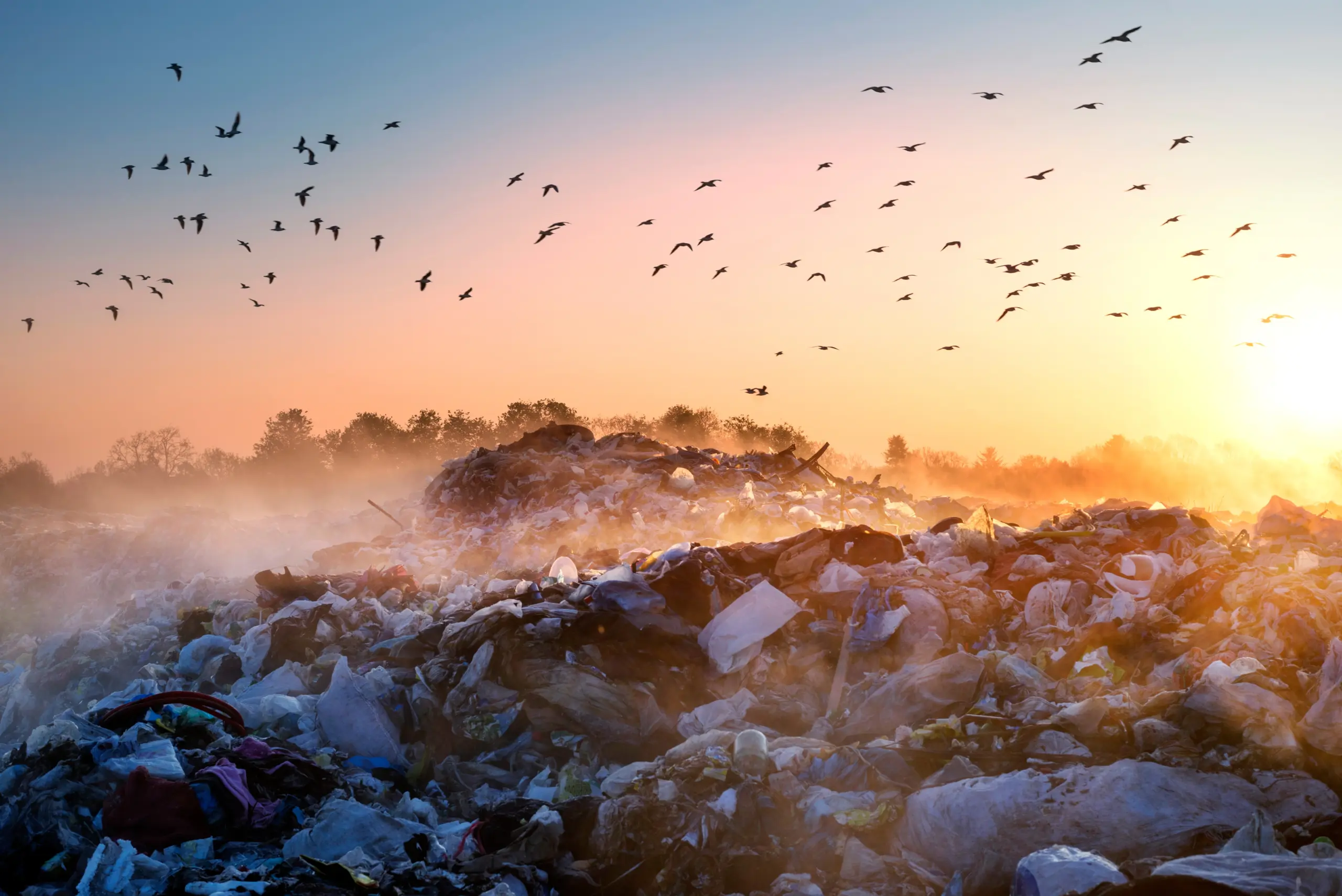
Most of us rarely think about what happens after our rubbish is collected. Once the bin is emptied or the garbage truck drives away, it’s easy to assume the problem has been taken care of. But waste doesn’t disappear. It only changes location. When waste management systems fail, the consequences can reach far beyond overflowing dumpsites. Rivers become polluted, drinking water is threatened, ecosystems are damaged, and communities lose livelihoods that depend on a healthy environment.
 Plastic Pollution and Recycling
Have you ever struggled to tear apart a snack wrapper or wondered why some refill pouches can’t be recycled? Those everyday frustrations highlight one of the biggest challenges in sustainable packaging. Long before a package reaches a recycling bin, design decisions determine whether it has a realistic chance of being recycled. That’s why more companies are rethinking not just the materials they use, but how packaging is designed from the start.
 Plastic Pollution and Recycling
Why does a tiny product sometimes arrive in a box big enough to hold three of them? It’s a question many of us have asked after opening an online order. From oversized shipping boxes filled with plastic air pillows to individually wrapped products tucked inside another layer of packaging, excessive packaging has become a common part of everyday life. While some packaging is essential to protect products and prevent damage, much of it leaves consumers wondering whether all those extra materials really serve a purpose.
 Plastic Pollution and Recycling
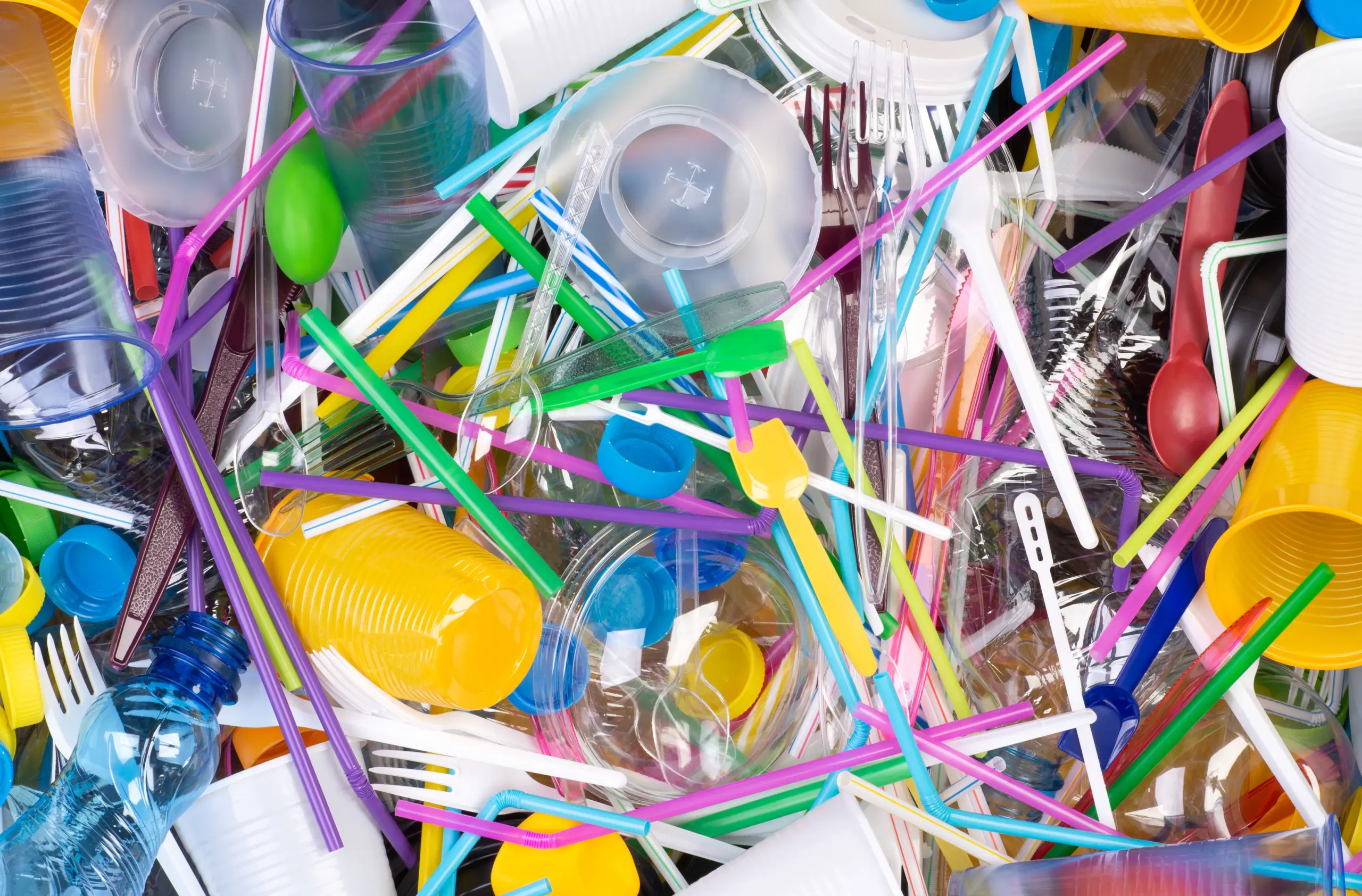
Plastic pollution is affecting ecosystems, wildlife, and communities around the globe at an unprecedented rate. With plastic production continuing to rise and millions of tonnes entering the environment every year, understanding its global impact is key to building a more sustainable future.
 Plastic Pollution and Recycling
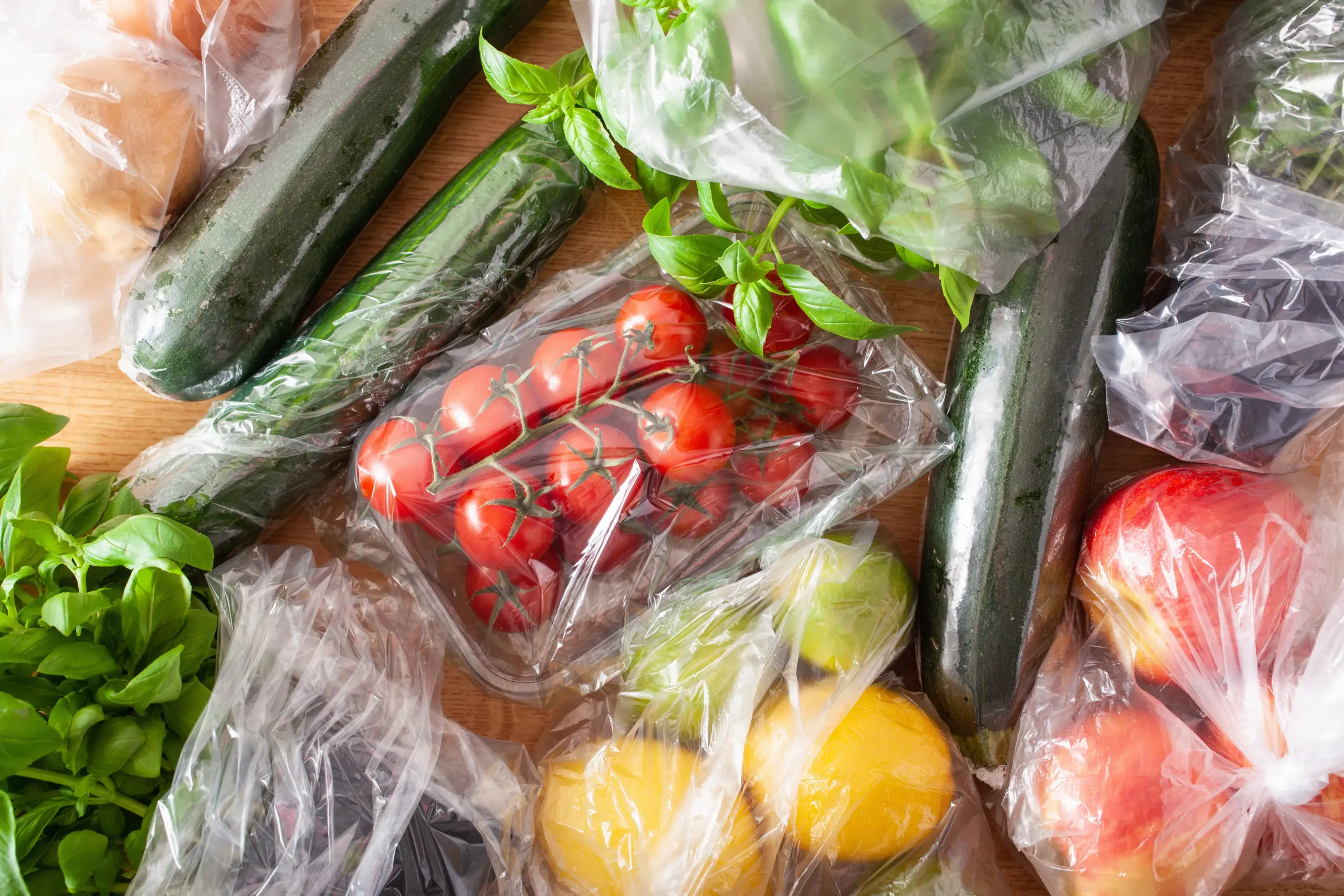
If every piece of plastic disappeared overnight, modern life would come to a standstill. You wake up and reach for your toothbrush. You make coffee using a machine with plastic parts. You check your phone, put on your shoes, grab your reusable water bottle, and head out the door. Even if you’re trying to make sustainable choices, plastic is almost impossible to avoid. This raises an important question: can we live without plastic?
 Plastic Pollution and Recycling
The EU Packaging rules are changing the way businesses think about packaging. Instead of focusing only on what happens after packaging becomes waste, the European Union is introducing requirements that consider the entire life cycle of packaging—from design and production to collection and recycling. The goal is to keep valuable materials in use for longer and reduce the amount of plastic that ends up in the environment. While these rules apply in Europe, their impact will reach far beyond the region. Companies that export to the EU, multinational brands, and businesses with global supply chains will all feel the effects. The new Packaging Waste Regulations are expected to influence packaging standards worldwide, especially for flexible plastic packaging, one of the most widely used but most difficult to recycle type of packaging.
 Plastic Pollution and Recycling
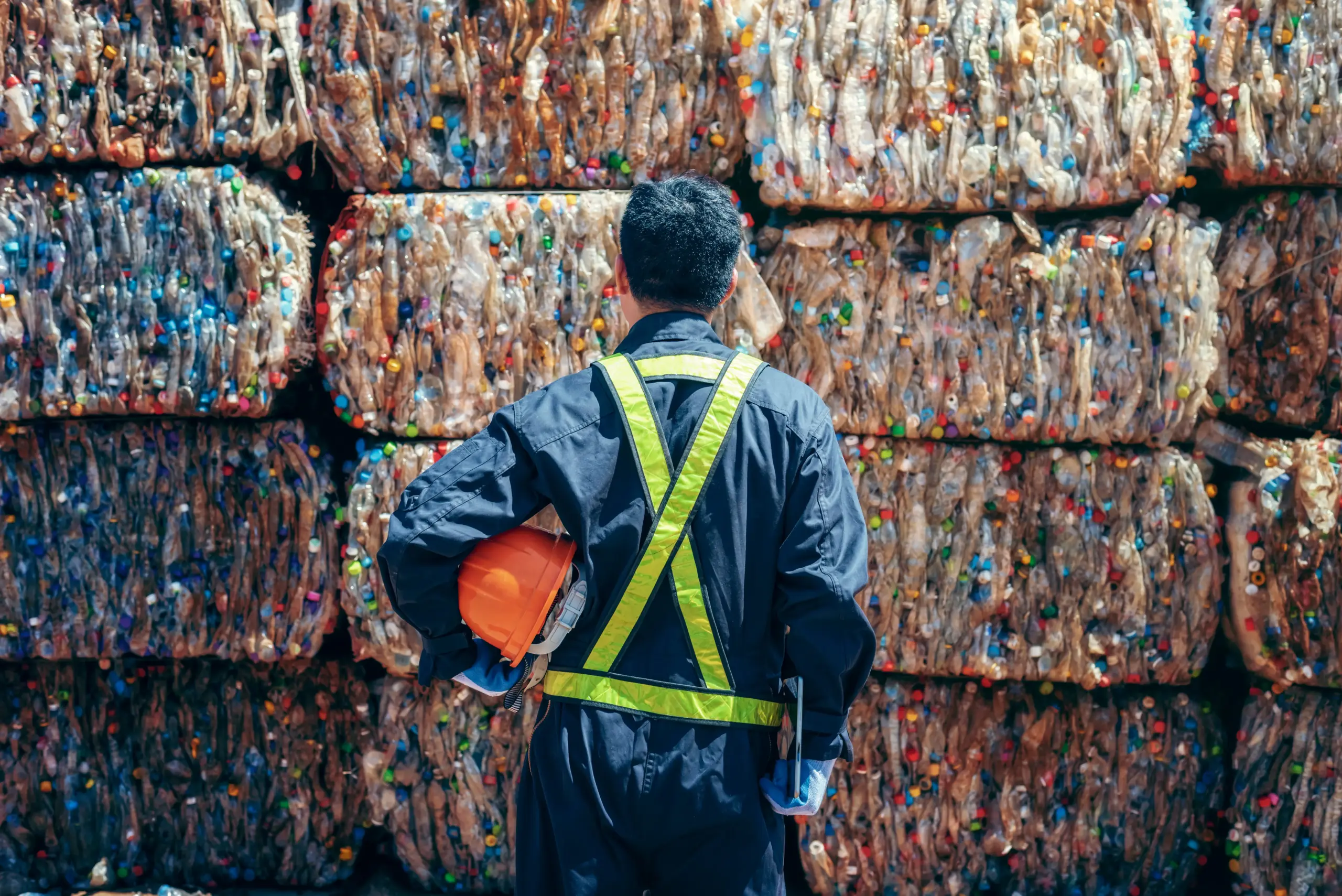
The Philippines’ Extended Producer Responsibility (EPR) Act has delivered encouraging results. Since its implementation, businesses have recovered millions of kilograms of plastic waste, helping the country exceed mandated recovery targets.1 Yet despite this progress, plastic leakage remains a significant challenge. Recent discussions from the Department of Environment and Natural Resources (DENR) highlight an important reality: meeting recovery targets is only one part of building an effective circular economy. As companies prepare for the June 30 EPR compliance deadline, understanding these challenges is becoming increasingly important.