

 Purpose and Profit
Join the global bottle deposit program
Fuelled by the world’s most progressive people.
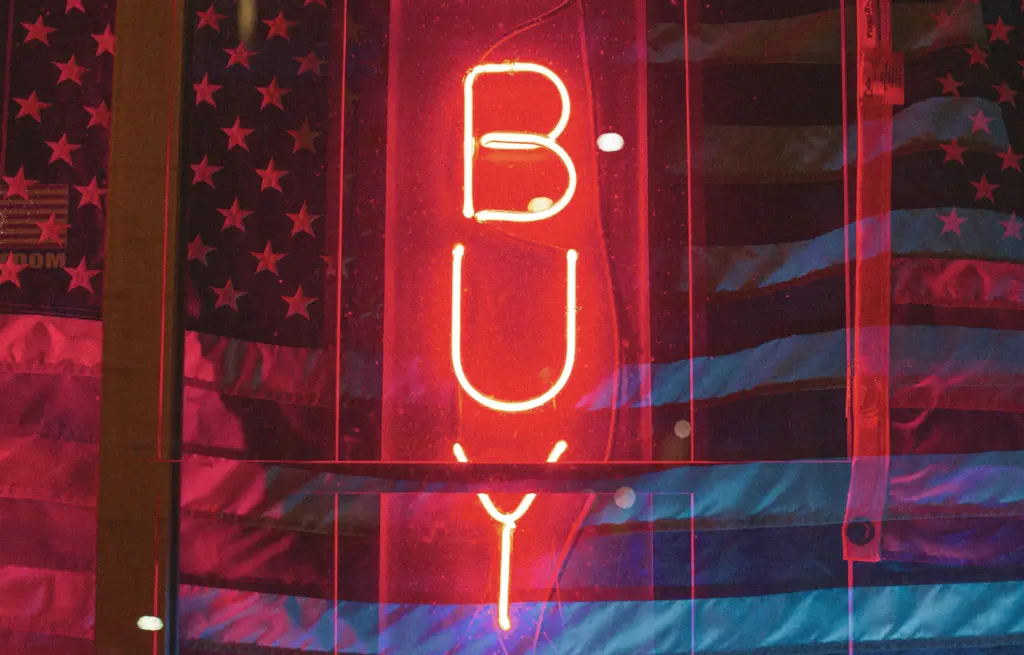
We live in an era where “more” has been marketed as better.
More convenience.
More upgrades.
More trends.
More next-day delivery.
Overconsumption culture tells us that buying more means living better. It has led to short product lifespans, increased waste, resource depletion and increasing pollution. It equates identity with ownership and success with accumulation. But the numbers tell a sobering story.
According to the Global Footprint Network, humanity is currently using resources at a rate equivalent to 1.7 Earths per year. That means we are extracting and consuming far more than ecosystems can regenerate.1 Meanwhile, the World Bank estimates global waste will increase by 70 percent by 2050 if current patterns continue.2
The consequences are visible everywhere: mounting waste, plastic pollution, biodiversity loss, and climate instability.
But something is shifting.
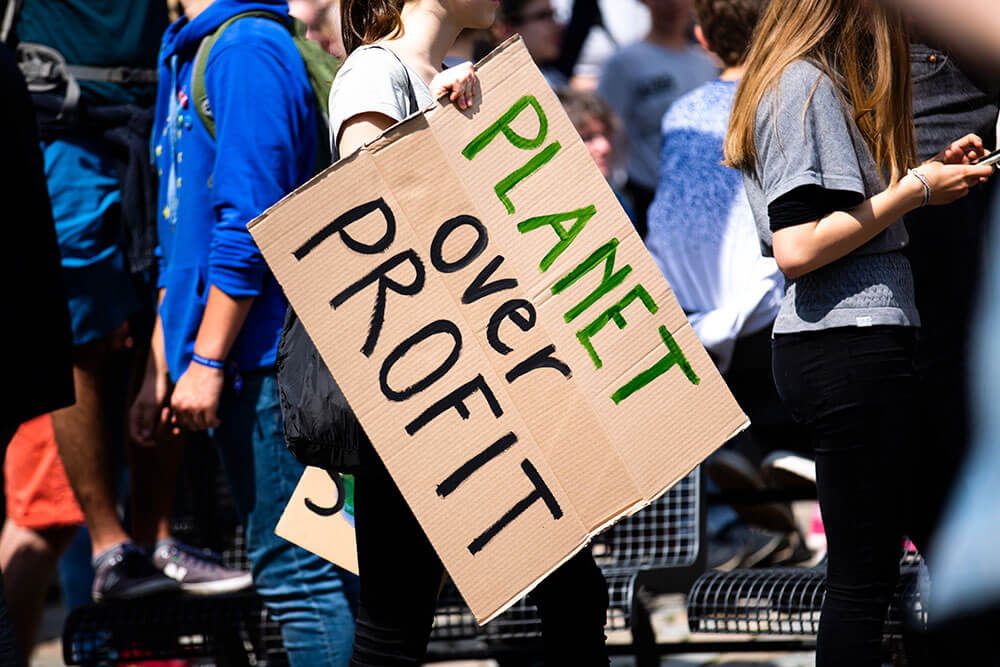
Across communities, cities, and industries, real-world movements are pushing back against overconsumption culture. They are redefining what it means to live well. They are proving that abundance does not have to mean excess.
Rethinking overconsumption culture through intentional living
One of the most powerful responses to overconsumption culture is intentional living.
Intentional living asks a simple but transformative question:
Do I need this, or have I been conditioned to want it?
Instead of giving in to algorithm-driven impulse buying and hoarding, intentional living encourages:
- Buying fewer, higher-quality items
- Prioritizing durability over trends
- Valuing experiences over possessions
- Aligning purchases with personal values
Conscious consumer movement reflects this shift. The global market for sustainable products continues to grow, with consumers increasingly favouring brands that demonstrate environmental and social responsibility. According to a 2024 PwC survey, some consumers say they are willing to spend 9.7% more, on average, for sustainably produced or sourced goods, as almost nine-in-ten (85%) report experiencing first-hand the disruptive effects of climate change in their daily lives.3
Intentional living is not about deprivation, it is about making sure the things you bring into your life align with your values.
The repair economy: extending life, reducing waste
Another direct challenge to overconsumption culture is the rise of the repair economy.
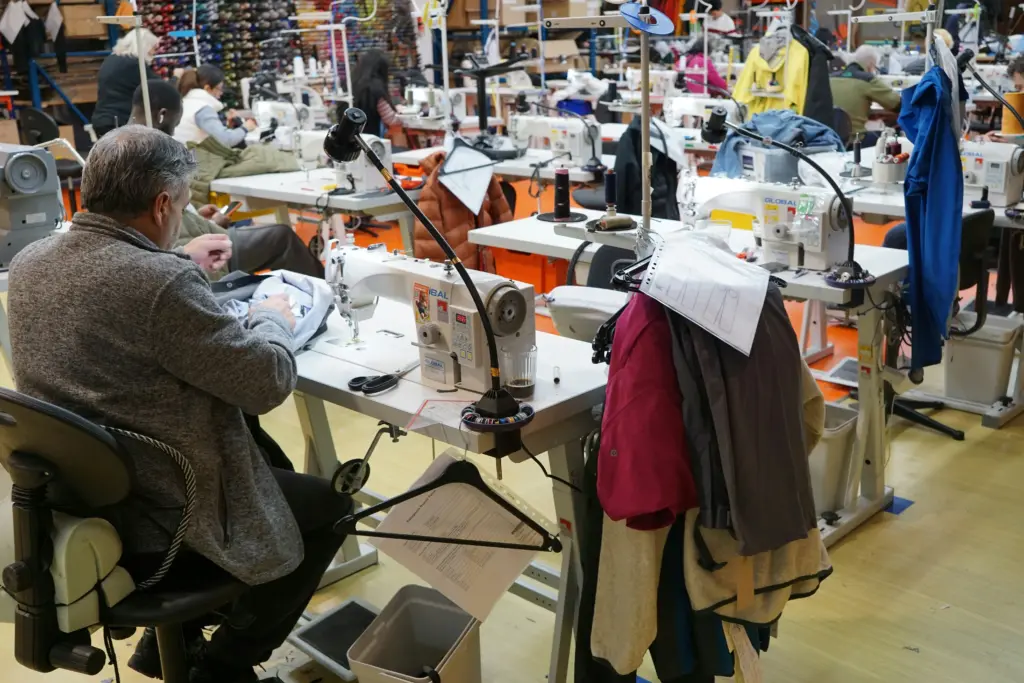
For decades, products were designed to be replaced rather than repaired. It’s a powerful response because the idea is simple: fix what you already own.
The global right-to-repair movement is gaining momentum. The European Union has strengthened repairability standards for electronics, and similar legislation is emerging in North America. Repair cafés and community fix-it events are spreading worldwide, allowing people to fix appliances, clothing, and electronics instead of discarding them. One example is The Restart Project. Founded in the UK, it helps communities repair broken devices through pubic repair events and digital repair guides.
Why does this matter?
Electronic waste is now the fastest-growing waste stream globally. The United Nations reports that the world generated 62 million tonnes of e-waste in 2022,4 yet less than a quarter was formally recycled.
The repair economy addresses multiple challenges at once:
- Reduces resource extraction
- Reduces electronic waste e
- Builds technical literacy
- Creates local jobs
- Empowers consumers
It transforms people from passive consumers into active stewards. In doing so, it undermines one of the core assumptions of overconsumption culture: that replacement is easier than responsibility.
Mindful consumption in the digital age
Overconsumption culture has been amplified by digital platforms. Social media accelerates trends while one-click purchasing removes friction. Influencer marketing further normalizes constant upgrades.
Yet the digital space is also where resistance is growing.
The “deinfluencing” trend on platforms like TikTok challenges the pressure to buy unnecessary products. Creators openly question viral items and promote thoughtful decision-making instead. Meanwhile, zero-waste communities online share practical advice on reuse, bulk purchasing, and low-impact lifestyles.
Mindful consumption does not demand perfection. Instead, it asks for awareness:
- Who made this product?
- What resources were used?
- What happens at the end of its life?
For brands, this shift requires transparency. Consumers increasingly expect clear sourcing information, lifecycle accountability, and credible environmental commitments. Patagonia is one brand that has run campaigns that have resonated with consumers. Aside from the Worn Wear program that encourages customers to repair, resell, and even buy used gear, it also ran a campaign that discouraged unnecessary purchases — a bold stance in a growth-driven economy.
Community movements rewriting local economies
Beyond individual choices, community-led initiatives are reshaping local economies in ways that weaken overconsumption culture.
Movements such as the Buy Nothing Project operates through local community groups where people give away items they no longer need but no money is exchanged.
Groups like this encourage sharing rather than purchasing. Members exchange household items, tools, and clothing within neighbourhood networks. These grassroots systems reduce waste while strengthening social bonds. Tool libraries, clothing swaps, and community gardens operate on similar principles:
- Access over ownership
- Collaboration over competition
- Sufficiency over excess
Research shows that social connection significantly improves well-being. In other words, communities that share often gain more than material goods. While overconsumption culture isolates individuals in transactional relationships, community movements restore reciprocity.
Corporate responsibility in an age of resource limits
While individual action matters, systemic change is essential.
Corporations play a critical role in either reinforcing or dismantling overconsumption culture. Business models that depend on selling more and replacing products quickly cannot work on a planet with limited resources.
However, a growing number of companies are exploring alternative approaches:
- Circular design principles
- Product take-back programmes
- Refillable systems
- Regenerative supply chains
Transitioning to a circular economy could generate 4.5 trillion USD in economic benefits by 2030 while reducing environmental pressure.5 The companies that will thrive in the coming decades are those that align profit with planetary health.
What this means for brands and marketers
For businesses, this cultural shift signals a strategic inflection point.
Forward-thinking brands are:
- Designing for durability
- Offering repair services
- Launching resale programs
- Providing transparent lifecycle reporting
- Building community-driven narratives
Companies that ignore this shift risk being perceived as extractive rather than innovative.
Rewriting the future together
Overconsumption culture has shaped decades of economic growth, so we cannot expect it to disappear overnight. But more and more, we see communities choosing differently.
Repair instead of replace.
Share instead of hoard.
Resell instead of discard.
Buy less, choose well.
The antidote is already here — and it is participatory.
The question is no longer whether change is possible. It is whether we are ready to align our systems, brands, and habits with it.
As individuals, we can choose mindful consumption.
As leaders, we can redesign systems.
As communities, we can prioritize collaboration over competition.
And as a global movement, we can recognize that true progress protects both people and the environment. To rewrite overconsumption culture, it is not about deprivation, it is about choosing a better way to live.