

 Purpose and Profit
Join the global bottle deposit program
Fuelled by the world’s most progressive people.
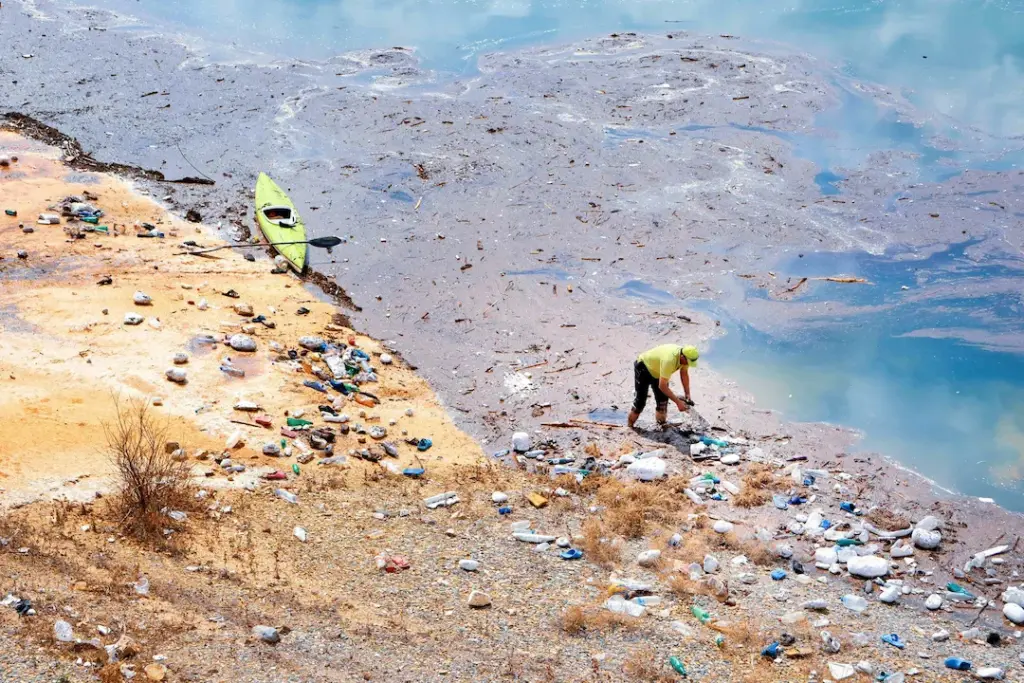
Extended Producer Responsibility (EPR) for plastic waste is gaining momentum around the world as governments and businesses try to address the growing plastic pollution problem. At its core, EPR is about accountability. We’re asking companies to take responsibility for what happens to their plastic packaging after it’s been used.
The thinking is straightforward: if brands are responsible for collecting, recycling, or properly disposing of their plastic, they’ll be more careful about how much plastic they use, how it’s designed, and where it ends up. Ideally, this pushes companies to invest in better, more circular solutions.
But in reality, many EPR systems miss a critical piece of the puzzle. Community-based plastic collection and informal collection members already recover a large share of the plastic that actually gets recycled, yet they’re often left out of formal EPR plans.
Understanding EPR and its intended benefits
Extended producer responsibility plastic waste policies are regulatory frameworks that shift the burden of managing waste from consumers and municipalities to the companies that produce and sell products. Under EPR, producers may be required to finance, organize, or directly operate systems that collect, sort, and recycle packaging and other plastic materials after consumer use. The idea is to incentivize better product design, reduce environmental burdens on public systems, and drive investment in recycling infrastructure.
In principle, EPR integrates the cost of waste management into product pricing, encouraging producers to prioritize recyclability and reduction of material use. EPR schemes are implemented in different forms across the European Union, North America, and parts of Asia, with varying degrees of success. They often rely on Producer Responsibility Organisations (PROs) that manage fees and contracts with waste collectors and recyclers.
However, despite progress in policy design and global cooperation efforts such as the United Nations Environment Programme’s ongoing EPR capacity-building initiatives, most EPR frameworks still assume that formal waste management systems such as municipal collection, licensed collectors, and certified recyclers will handle the lion’s share of post-consumer plastic collection.
The reality: informal waste collection at the frontlines
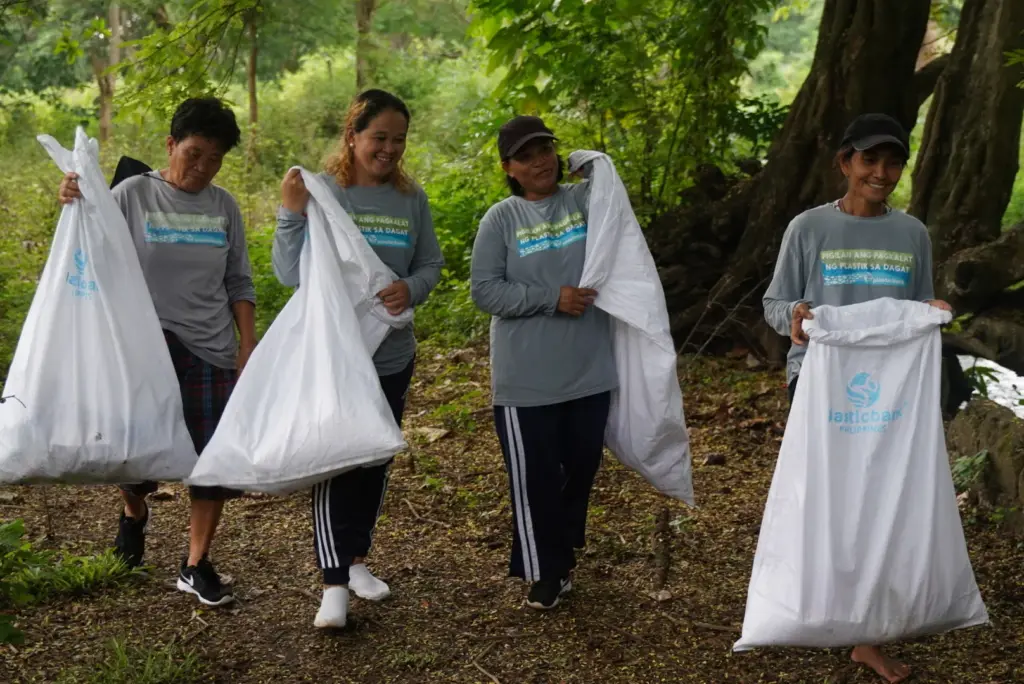
In many parts of the world, especially emerging markets in Asia, the Middle East, and Latin America, formal waste infrastructure is limited, expensive, or non-existent in large swathes of urban and rural areas. That gap has been filled by millions of collectors who engage in informal waste collection. They handle the picking up, sorting, and selling recyclable materials from streets, businesses, and households.
According to the United Nations Development Programme, an estimated 20 million people globally collect plastic waste as part of the informal waste economy.1 These workers operate largely outside formal systems yet play a vital role in plastic waste management.
A widely referenced estimate suggests that informal waste pickers collect approximately 60 per cent of the world’s plastic for recycling.2
This means that without community-based plastic collection networks, more than half of the plastic that ever enters recycling streams might remain uncollected, mismanaged, or leaked into the environment.
Yet most EPR models do not formally recognise or integrate these crucial actors, leaving a significant gap between policy intentions and real-world outcomes.
Why informal and community collection matters for EPR
1. Scale and reach beyond formal systems
Informal waste collectors operate in communities where formal waste collection infrastructure may be minimal or absent. In cities across the Global South, informal networks fill critical gaps in plastic waste collection infrastructure, often in low-income neighbourhoods and peri-urban areas that formal systems exclude. These community actors provide an on-the-ground solution when municipalities lack resources, and, crucially, they already recover a significant share of recyclable plastic.
For global brands subject to extended producer responsibility plastic waste laws, overlooking these networks means ignoring the true majority players in waste recovery and recycling.
2. Cost efficiency and local knowledge
Informal collectors often work without the overheads associated with formal systems such as trucks, licences, municipal fees, and complex contracts. Their flexible, localized approach allows them to reach households and neighbourhoods that formal trucks and collection routes cannot. Supporting and integrating these systems could significantly improve plastic collection rates at lower costs than building new infrastructure from scratch.
3. Social impact and livelihoods
Informal waste collection is more than just a logistical challenge; it is a livelihood for millions. Globally, many in these roles are among the poorest and most marginalised citizens, yet they provide an essential environmental service that keeps plastics out of landfills, rivers, and oceans. Integrating these workers into EPR frameworks could reduce poverty and increase economic participation in underserved communities.3
However, without formal recognition, informal workers often lack labour protections, health and safety measures, and equitable compensation for their essential work.
4. Traceability and data transparency
Most existing EPR models rely on reporting from formal collectors and recyclers to measure compliance, track plastic flows, and calculate recycling rates. But when a large fraction of plastic is managed by unreported community-based plastic collection systems, EPR compliance data often underestimates actual recovery and cannot reliably account for plastics collected outside the formal chain.
Improving traceability, including digital tracking, standardized reporting, and partnerships with community organizations, can drive more transparent, data-driven EPR systems that reflect the realities on the ground.
The Philippines: A case study in EPR gaps
In the Philippines and across Asia, the mismatch between policy design and waste management realities is especially acute. The Philippine EPR law, enacted in 2022, mandates that producers take responsibility for managing plastic packaging waste. Yet reports indicate that informal waste workers, the very people collecting much of the country’s recyclable plastic, were largely excluded from policy discussions and implementation frameworks.
In many Filipino cities, informal collectors do most of the day-to-day waste work in communities. But they’re often unpaid, unrecognized, and left out of official plans. This points to a bigger problem with many EPR systems: they’re built around formal setups that don’t match how waste is actually managed on the ground in much of Asia.
Closing the policy gap: What EPR must do next
For extended producer responsibility plastic waste frameworks to succeed, they must evolve in four critical ways:
Expand the definition of “collector”
EPR policy should explicitly include informal and community waste collection workers as recognised and compensable actors, not just licensed formal collectors.
Design incentives that reach grassroots systems
Producers and PROs must create mechanisms that financially support community-based plastic collection, including fair pay, safety measures, and long-term contracts.
Improve data and traceability
Digital traceability tools, community reporting platforms, and collaborative data systems can ensure that plastics collected through informal channels are counted toward EPR compliance.
Build multi-stakeholder governance structures
EPR systems must bring informal workers, local governments, brands, and civil society into the same policy and operational tables, ensuring equitable representation and shared responsibility.
A new vision for EPR with community power
Extended producer responsibility plastic waste policies are a powerful tool for reducing plastic pollution and catalysing circular economy practices among producers and brands. Yet current models too often overlook one of the biggest contributors to plastic recovery: community-based plastic collection and informal waste workers responsible for an estimated majority of recycled plastics globally.
To close this missing link, EPR frameworks must evolve to recognise and invest in grassroots networks, not as an afterthought but as central pillars of plastic waste collection infrastructure and community waste management.
The Plastic Bank EPR model offers a traceable, scalable solution that aligns extended producer responsibility with community empowerment. By partnering with local collectors, establishing accountable collection networks, and integrating digital traceability, this approach not only increases recovery rates but also delivers measurable social and environmental impact. Its results underscore that when brands work with local communities, both plastic waste reduction and positive livelihoods follow.
The future of EPR must be inclusive, practical, and grounded in the realities of those who collect most of our waste. The missing link in extended producer responsibility plastic waste strategies isn’t a new technology. Instead, it’s a commitment to the people and communities already doing the work.