
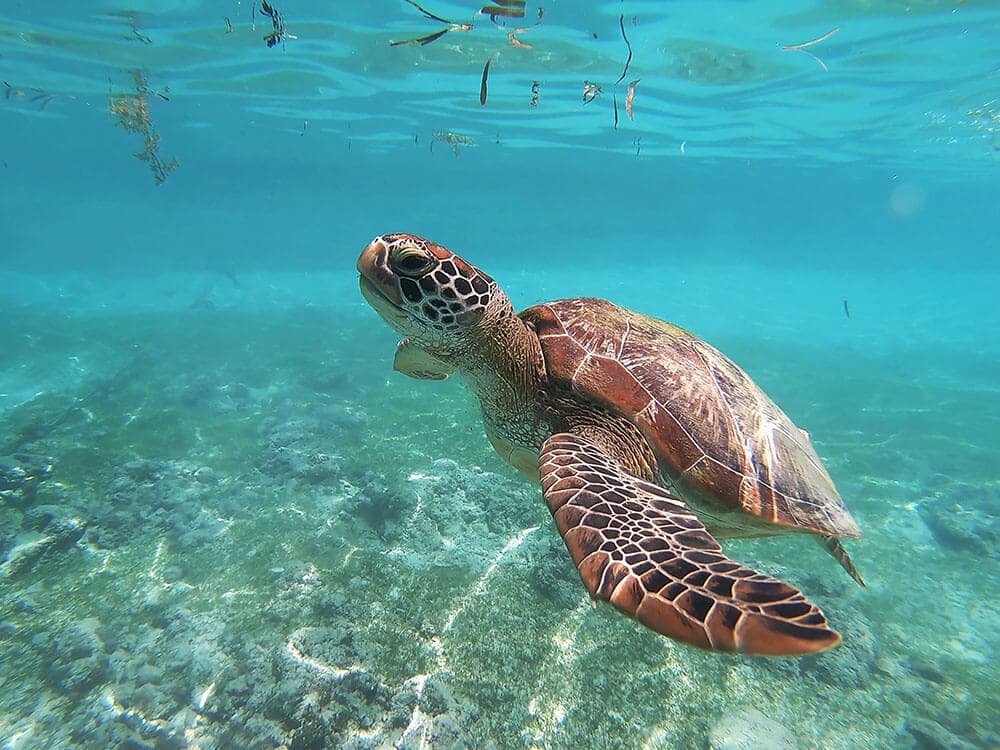
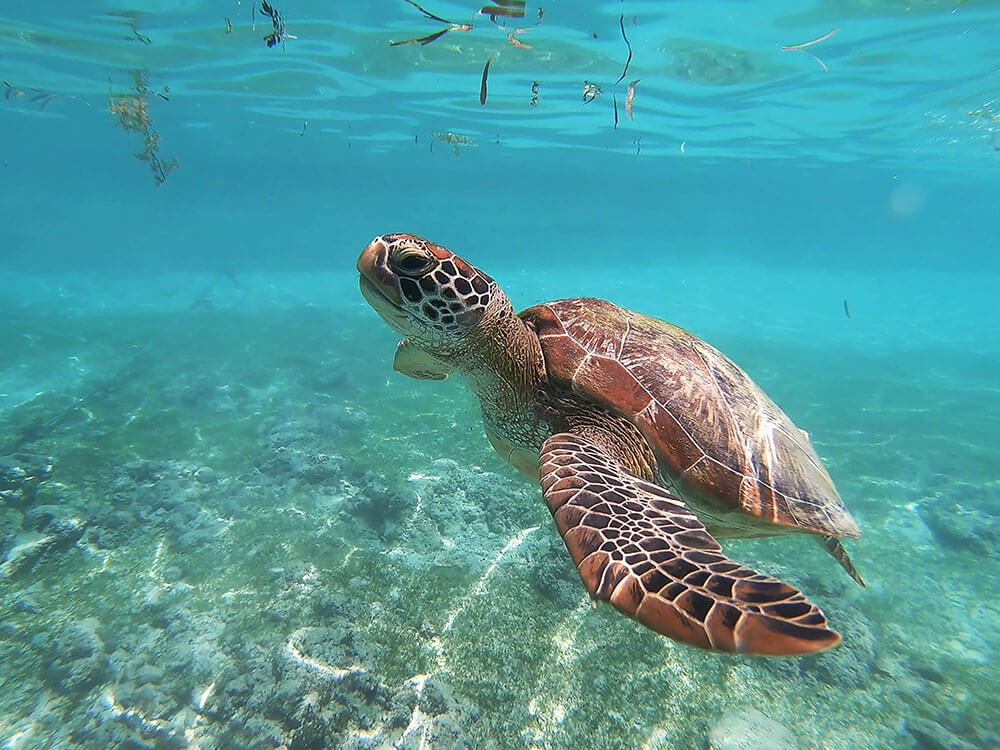
Plastic pollution stands as one of the most pressing challenges humanity faces today. Our pervasive throwaway culture has unleashed a torrent of plastic waste, with vast quantities finding their way into our ocean, wreaking havoc on marine life, ecosystems, and ultimately, our planet.
Think about the plight of marine wildlife – the seabirds and sea mammals get caught daily in a tragic dance with ocean plastic. And let us not forget ourselves, the unwitting participants in this enormous crisis. We unknowingly consume microplastic every day, fueling serious concerns over potential health risks such as reproductive issues and chronic diseases.
The good news is that the battle is not lost. If consumers, government entities, civil society, and businesses unite, we can address the causes of plastic pollution and stem the tide of ocean plastic pollution by 80 percent.
Our collective actions can create a future where our ocean and our planet are free from plastic pollution. Download our whitepaper “Becoming a Changemaker: How your business can help stop ocean plastic” and discover:
The impacts of the plastic waste crisis
The 8 interventions to ocean plastic
The role of your business in stopping ocean plastic
Why doing good makes sense for your business
How to make your business plastic-neutral
Empower your business to be a force for positive change.
Explore effective strategies to combat plastic pollution, focusing on integrated waste management, public awareness, and global cooperation for a cleaner future
Recycling at home doesn’t have to be complicated
If you've ever looked at a pile of bottles, cartons, and snack wrappers and wondered whether they're recyclable, you're not alone.
Many families want to recycle more but aren't sure where to start. The good news is that you don't need a complicated system or hours of extra work. A few simple habits can make recycling part of your everyday routine.
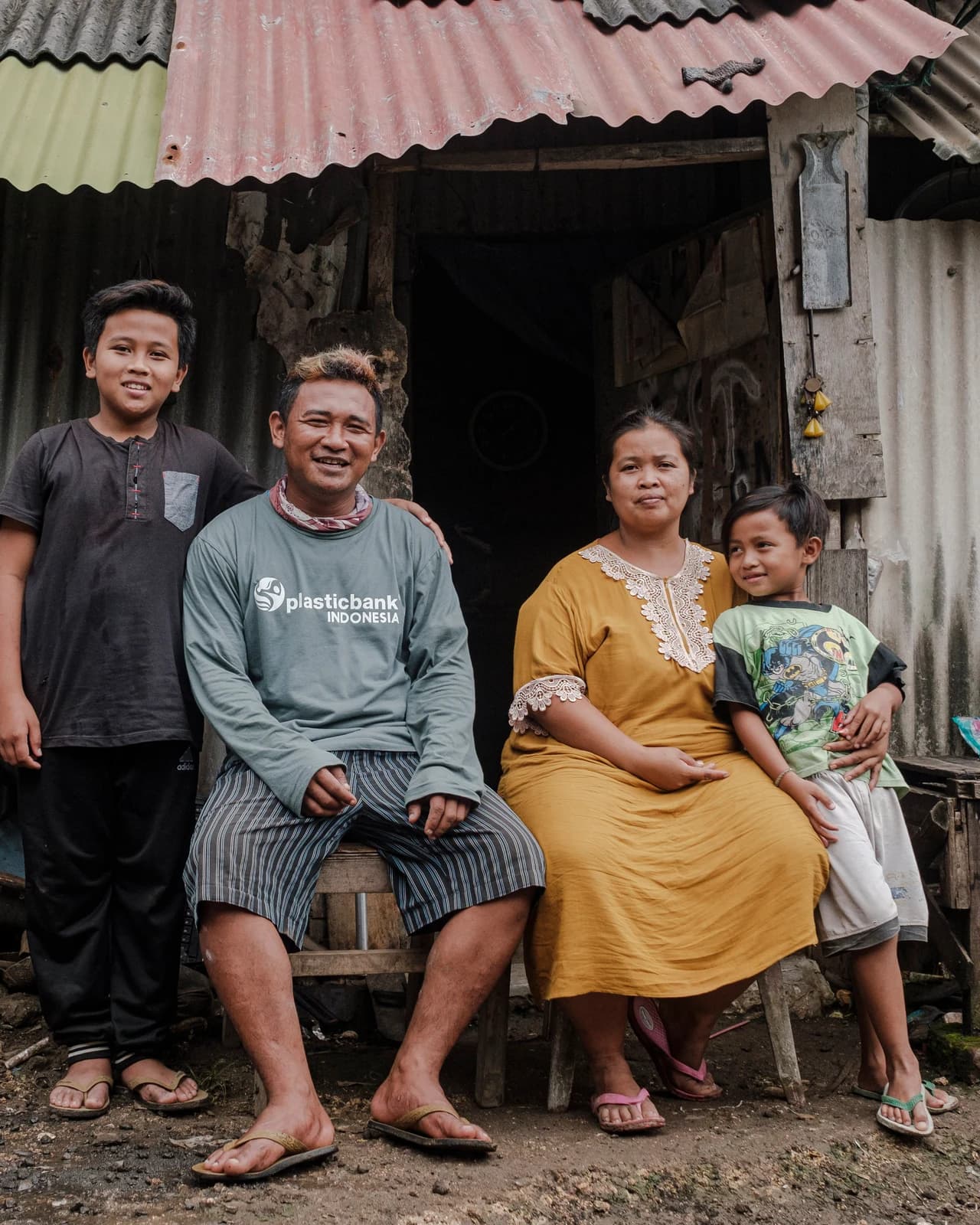
For families participating in the Plastic Bank School Program, recycling at home can be as simple as setting aside accepted materials and bringing them to school during drop-off or pick-up. Small actions at home can add up to a meaningful impact for your school, your community, and the environment.
Make recycling easy to do
One of the easiest ways to recycle more is to make it impossible to forget.
Place a recycling container somewhere your family already spends time, such as the kitchen, laundry area, or near the front door. If recyclables have to be carried across the house, they're more likely to end up in the wrong bin.
You don't need anything fancy. A reusable bag, box, or spare container can work just as well as a recycling bin.
If you have children, try adding simple labels or pictures to help them identify where bottles, cartons, and wrappers belong.
Quick tip: Put a small note nearby that says "Empty, Clean, Dry" as a reminder before storing materials.
Know what materials can be recycled
Common materials accepted by many schools include:
Plastic bottles
Food containers
Beverage cartons
Paper and cardboard
Metal cans
Accepted snack wrappers and plastic packaging
Tip: Check your school's guidelines because accepted materials may vary.
The 10-second habit that makes a big difference
Before tossing a recyclable into your collection bin, take a few seconds to:
✓ Empty any leftover food or drink
✓ Give it a quick rinse if needed
✓ Let it dry before storing
That's it.
A clean bottle or container is much easier to sort and recycle than one that still contains food residue. It also keeps your recycling station cleaner and prevents unpleasant smells at home.
Think of it this way: if you wouldn't want to store it in your kitchen for a week, it probably needs a quick rinse before recycling.
Build recycling into habits you already have
The easiest habits are the ones that fit naturally into your day.
Instead of waiting until the weekend to sort everything, look for moments when recycling can happen automatically:
Finished a bottle of water? Put it straight into the recycling bin.
Opened a snack? Save the accepted wrapper instead of throwing it away.
Unpacked groceries? Separate recyclable packaging right away.
Heading to school on Friday? Bring your collection with you.
These small actions take only seconds but can quickly become second nature.
Remember, recycling isn't about being perfect. It's about being consistent.
Let children take the lead
Children often become the biggest recycling champions in the household.
Try asking them to help identify recyclable items or sort materials into different containers. Some families even turn it into a friendly challenge:
"How many bottles can we collect this week?"
"Can we fill one bag before the next school drop-off?"
When children can see the results of their efforts, recycling feels less like a chore and more like an achievement.
Store recyclables efficiently at home
To reduce clutter, flatten bottles when appropriate, fold beverage cartons, break down cardboard boxes, and use reusable bags or bins for storage. Keep materials in a dry area to prevent odor, moisture, or contamination. If a school nearby is part of the Plastic Bank school program, prepare materials the night before so drop-off becomes easier
Efficient storage makes recycling feel manageable. It also makes transportation to school easier for children and parents, especially when households collect more than just bottles
Look beyond water bottles
When people think about recycling, they usually think about plastic bottles.
But take a quick look around your home and you'll probably find many other recyclable items:
Shampoo bottles in the bathroom
Detergent containers in the laundry area
Juice and milk cartons in the kitchen
Food containers from takeout meals
Accepted snack wrappers and plastic packaging
Many families discover they're throwing away more recyclable materials than they realize.
For one week, try keeping an eye out for recyclable items in every room of your home. You may be surprised by how much you collect.
Bring recyclables to collection points regularly
A good recycling habit needs a regular drop-off routine. Families can bring recyclables to school weekly, twice a month, or according to the school’s recycling schedule. Regular drop-offs prevent materials from piling up at home and help schools track participation more consistently
Quick Recycling Checklist
✓ Set up a dedicated recycling container
✓ Keep materials empty, clean, and dry
✓ Collect more than just bottles
✓ Involve children in sorting recyclables
✓ Bring recyclables to school regularly
✗ Don't mix recyclables with food waste
✗ Don't assume all plastics are accepted
✗ Don't wait until recyclables pile up
Start small and build from there
Recycling at home doesn't need to be complicated. Start with one recycling container, involve the family, and make a habit of collecting accepted materials for school drop-off.
Every bottle, carton, and wrapper collected at home helps create cleaner communities while teaching children that small actions can make a difference.
what exactly is a deposit return scheme, and does it truly work in solving our waste crisis? Let’s explore how it works, successful global models, and the impact of DRS as the world looks toward a cleaner, circular economy.