

 Plastic Pollution and Recycling
Join the global bottle deposit program
Fuelled by the world’s most progressive people.
Learning Outcomes:
- Recalling learned knowledge from Lessons 1-5
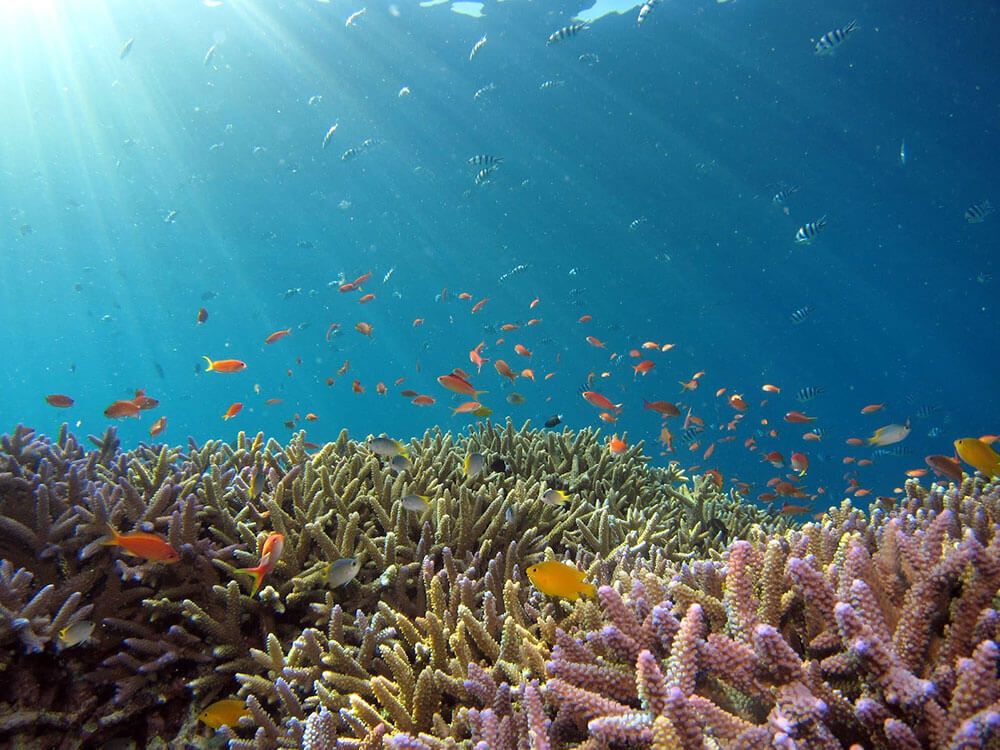
- Realizing the importance of a clean and healthy ocean
- Gaining a positive attitude toward the natural elements of the ocean
- Feeling enthusiastic, love, and care about marine life
- Building collaboration skills
- Developing an imagination of the beautiful ocean
- Responding to questions and expressing opinions
Main Module: Journey Into the Deep Blue Ocean
Resources: