Walk through any neighborhood, market, or shoreline, and you will see it. Plastic is everywhere. It’s not because people do not care, but because plastic has become part of everyday life. From sachets to bottles to food containers, it is built into how products are designed, sold, and consumed.
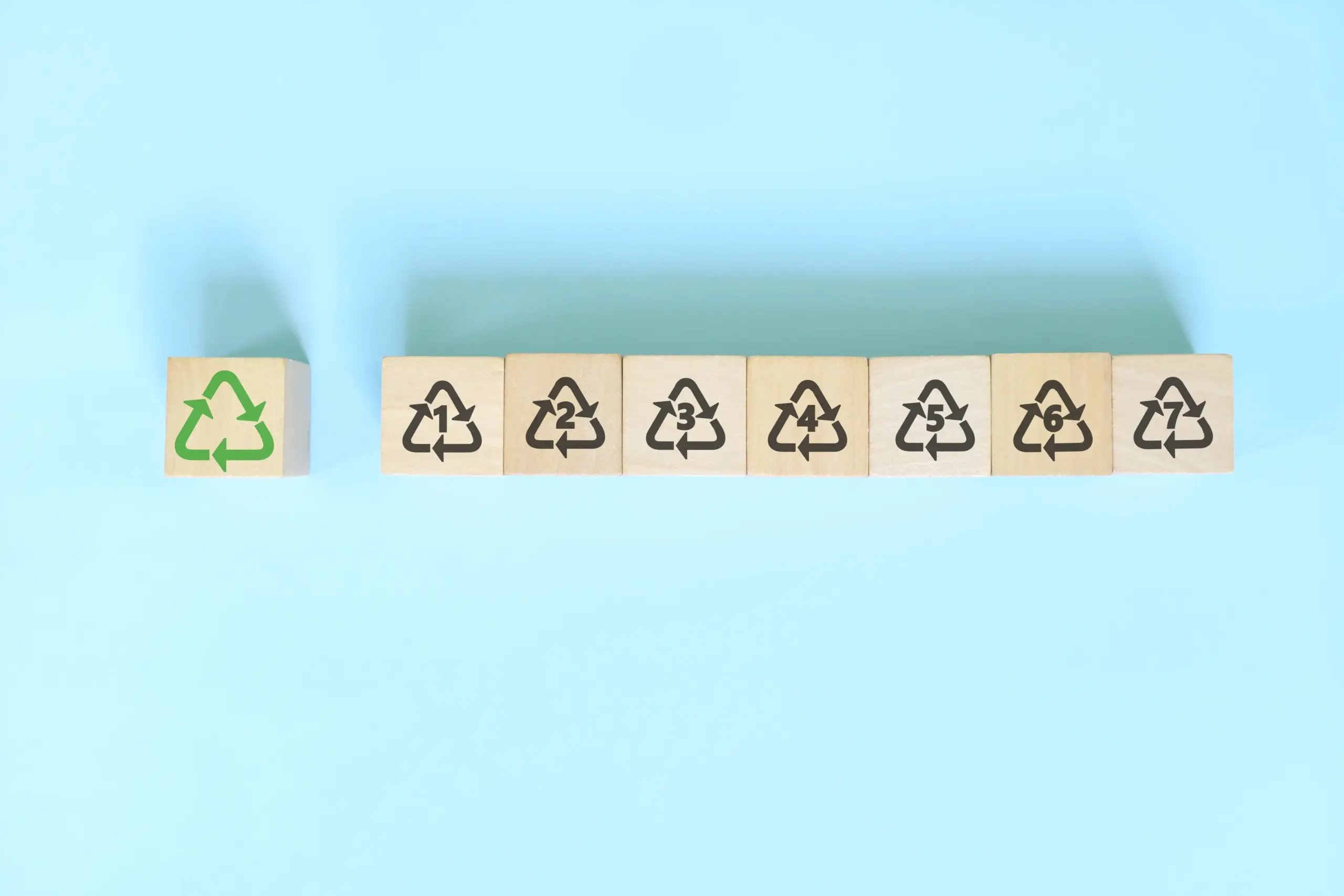
Most people assume that if a plastic item has a recycling symbol, it will eventually be recycled.
But in reality, not all plastics are recyclable in practice. And more importantly, not all plastics are actually collected and processed.
Globally, only about 9% of plastic waste has ever been recycled.
Understanding which plastics are recyclable and how to identify them is the first step toward reducing plastic waste and meeting sustainability goals, especially for companies navigating Extended Producer Responsibility (EPR) in the Philippines.1
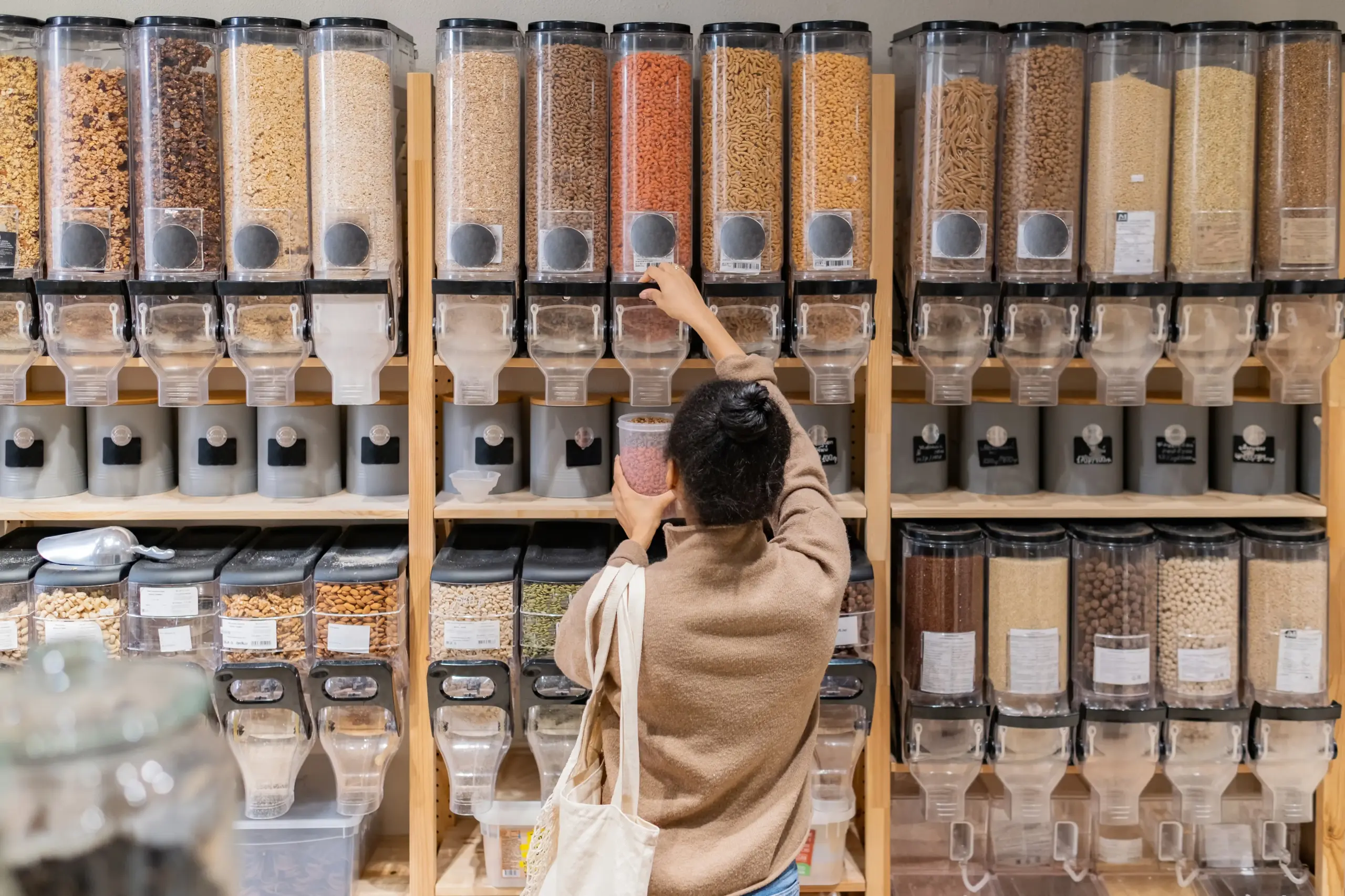
Refill stations sound like a simple idea. Instead of buying a new bottle or container every time you run out of a product, you bring back the one you already have and refill it. Whether it's laundry detergent, shampoo, cooking oil, or drinking water, the goal is to use less packaging and generate less waste.
On paper, it seems like a solution that everyone could get behind. Fewer single-use containers means fewer resources needed to make new packaging and less waste to manage afterwards.
So why don't we see refill stations on every corner?
We've accomplished significant results toward our 2025 goal. For example, between January 2020 and December 2020, we prevented 510,350,100 single-use plastic bottles from entering the world's ocean - the equivalent of 10,207,002 kilograms prevented from entering the world's oceans.
30,000+ collection members exchanged ocean-bound plastic waste for life-improving benefits Plastic Bank collection community member in Bali, Indonesia.




 Plastic Pollution and Recycling