



 Traceability and Circular Economy
Join the global bottle deposit program
Fuelled by the world’s most progressive people.
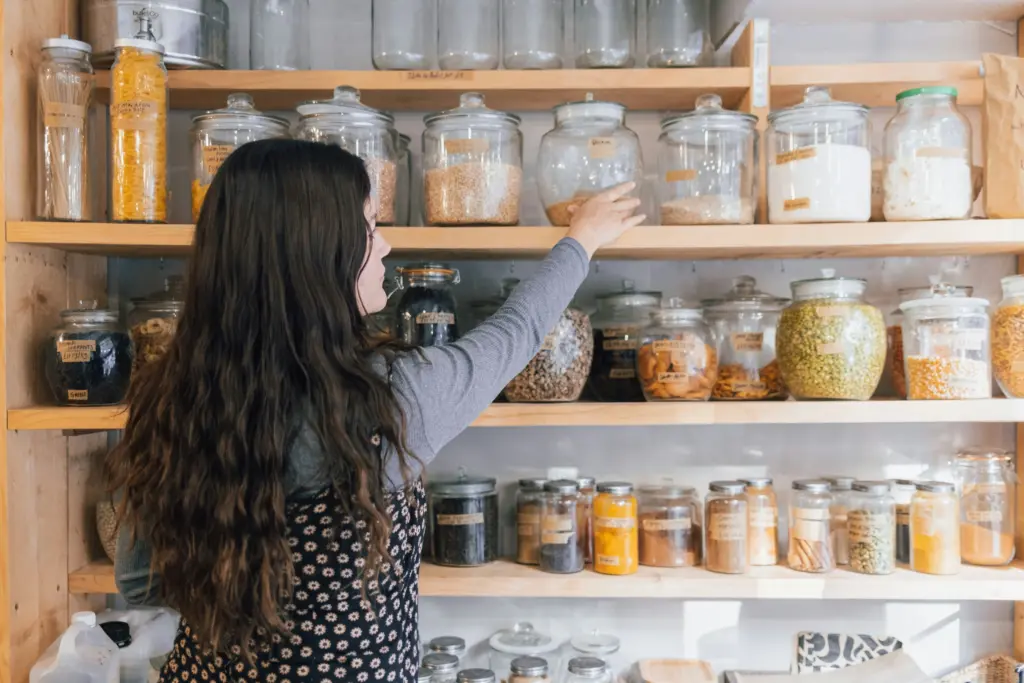
Most people think living a zero-waste lifestyle is expensive or inconvenient.
But in reality, the opposite is true.
Reducing waste at home is one of the simplest ways to cut everyday expenses. From the food you throw away to the products you repeatedly repurchase, waste often represents money you’ve already earned then lost.
The good news? Small changes can quickly add up to meaningful savings.
Why Reducing Waste Saves You Money
Every item you don’t use fully is money left on the table.
Think about it:
- Food that expires before you eat it
- Single-use items you buy again and again
- Impulse purchases that go unused
These habits don’t just create waste, they also increase your monthly expenses.
In fact, households can lose thousands each year due to avoidable waste, especially when it comes to food.
Reducing waste isn’t about restriction. It’s about using what you already pay for more effectively.
Start with Food: The Biggest Source of Waste (and Savings)
If you’re looking for the fastest way to save money, start in your kitchen.
Plan Your Meals Ahead
Meal planning helps you buy only what you need and actually use it.
Instead of guessing at the grocery store, plan a few meals for the week and build your shopping list around them. This reduces overbuying and ensures ingredients don’t go unused.
The result: fewer spoiled groceries and lower weekly food costs.
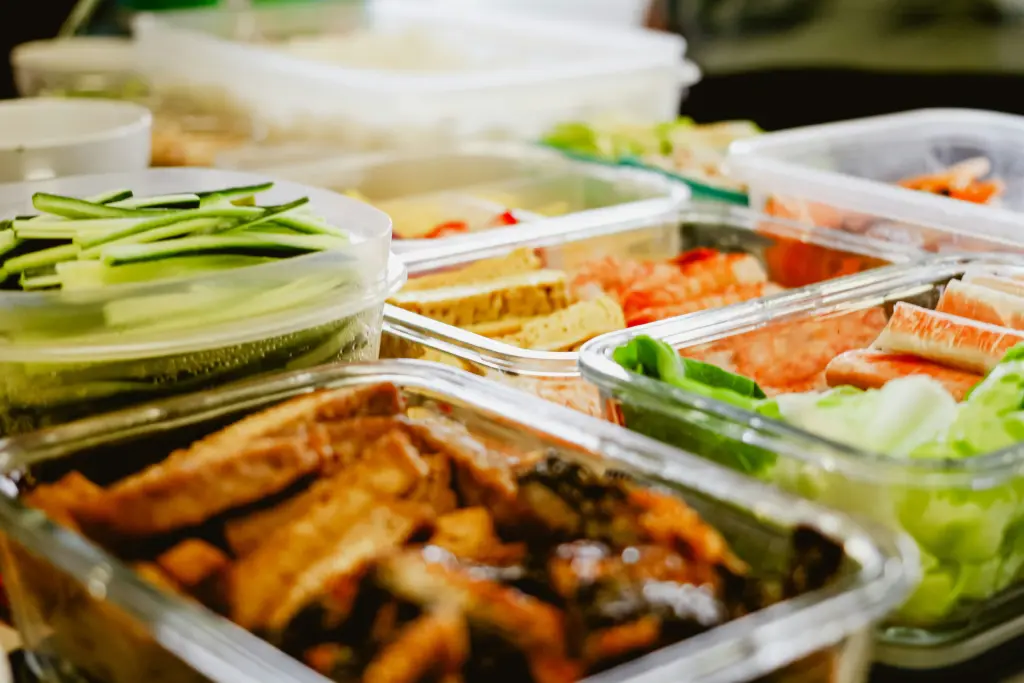
Prep What You Can
Prepping ingredients or meals in advance makes it easier to stick to your plan.
When food is ready to cook or eat, you’re less likely to order takeout or let ingredients sit untouched.
Even simple steps like chopping vegetables or marinating proteins can make a difference.
Use What You Already Have
Before buying more, check your pantry and fridge.
Build meals around what’s already there. This “use-first” mindset prevents duplicates and reduces waste over time.
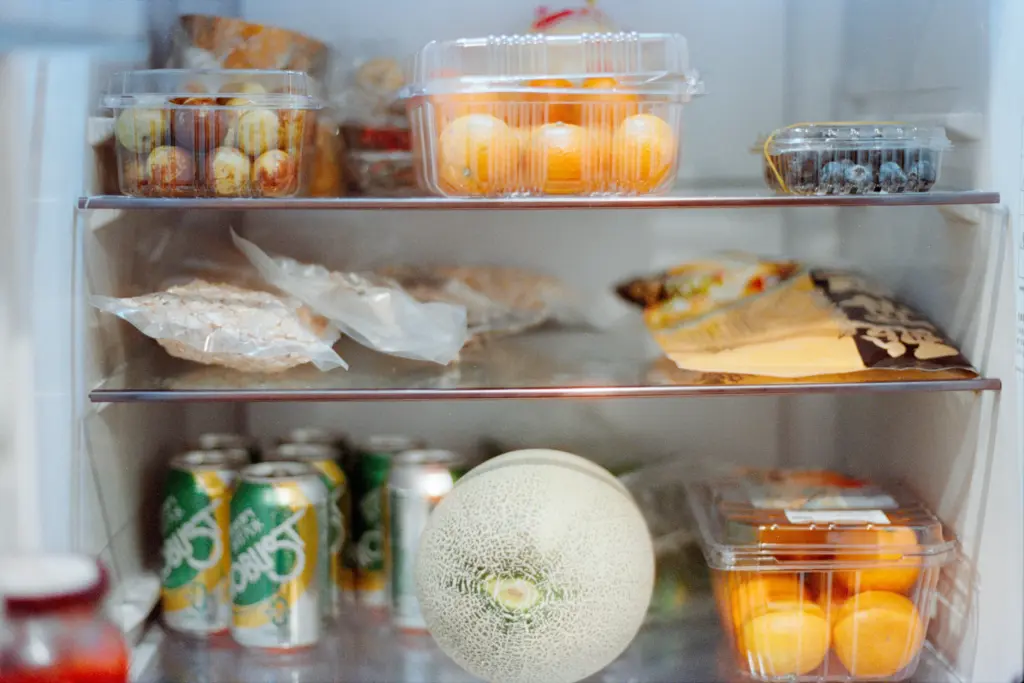
Store Food Properly
Better storage extends the life of your food.
- Keep herbs in water
- Store leftovers in clear containers
- Freeze items you won’t use right away
These small habits help you get the full value from every purchase.

Rethink How You Shop
Reducing waste often starts before you even get home.
Buy Only What You Need
Bulk buying can save money, but only if you use everything.
If items expire or go unused, the savings disappear. Focus on realistic quantities based on your routine.
Choose Reusables Over Disposables
Single-use products may seem cheaper upfront but they cost more over time.
For example:
- Paper towels vs reusable cloths
- Bottled water vs refillable bottles
- Disposable containers vs durable storage
Reusable alternatives may require a small upfront cost, but they quickly pay for themselves.
Buy Secondhand
Secondhand shopping is one of the most effective ways to save money.
From clothing to furniture, many pre-owned items are still in excellent condition and are available at a fraction of the cost.
It’s a simple shift that reduces demand for new production while keeping more money in your budget.
Make the Most of What You Already Own
Before replacing something, consider how you can extend its life.
- Repair small damages instead of discarding items
- Repurpose jars, containers, and packaging
- Find new uses for items you already have
These habits reduce the need to buy new. It also helps you maximize the value of what you already own.
Reduce Utility Waste (and Monthly Bills)
Waste doesn’t just come in physical form, it also shows up in your utility bills.
Simple changes can lower your monthly expenses:
- Turn off lights and appliances when not in use
- Use energy-efficient bulbs
- Be mindful of water use
Over time, these adjustments can lead to noticeable savings.
Simple Zero-Waste Swaps That Pay Off
You don’t need to overhaul your lifestyle overnight. Start with a few high-impact swaps:
- Reusable shopping bags
- Refillable water bottles
- Durable food containers
- Rechargeable batteries
Each swap reduces repeat purchases, saving money in the long run.
Build Habits That Stick
The goal isn’t perfection. It’s consistency.
Start small:
- Plan a few meals this week
- Use what’s already in your kitchen
- Replace one disposable item with a reusable option
As these habits become routine, the savings compound.
You’ll likely notice something else too: reducing waste simplifies your home and it changes how you think about consumption.
From Homes to Communities: Scaling the Impact
While individual actions matter, the biggest impact happens when systems support waste reduction at scale.
That’s where organizations like Plastic Bank come in.
By creating systems that turn plastic into value through collection, recycling, and financial incentives, Plastic Bank helps communities reduce ocean and land pollution while unlocking income opportunities.
It’s the same principle applied at a larger scale:
waste isn’t just something to discard—it’s something to value.
The Bottom Line
Reducing waste at home isn’t about doing more. It’s about wasting less of what you already have.
And when you do that consistently, the results are clear:
- Lower grocery bills
- Fewer unnecessary purchases
- Reduced utility costs
In other words, less waste means more value both for your home and for the world around you.


