

 Featured
Join the global bottle deposit program
Fuelled by the world’s most progressive people.
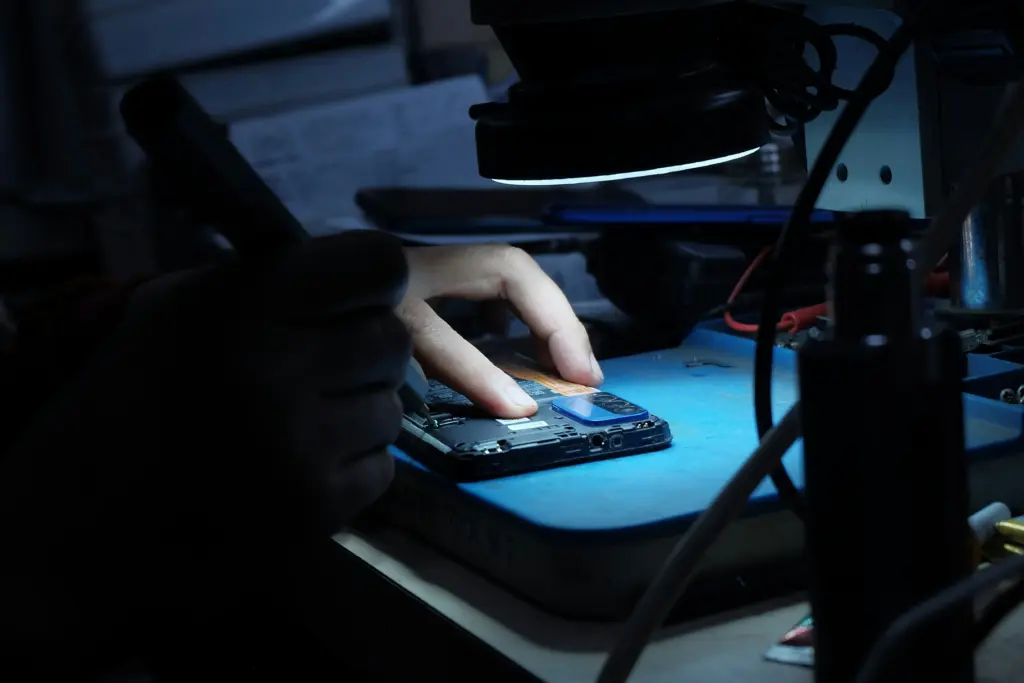
Your phone battery barely lasts two years. A kitchen appliance stops working just after its warranty expires. A chair breaks, but replacement parts are impossible to find.
For many consumers, these experiences feel normal now. Replacing products has become easier, and sometimes cheaper, than repairing them. Over time, this has created a culture where disposal is expected and durability feels almost old-fashioned.
But in communities around the world, repair cafés, local workshops, maker spaces, and community repair hubs are helping people rethink the value of the things they own. Instead of throwing products away, people are learning how to fix them, extend their lifespan, and reconnect with the idea that products should be built to last.
Repair hubs are doing more than saving broken items. They are challenging the systems and habits that fuel throwaway culture.
What is throwaway culture?
Throwaway culture describes a pattern of consumption built around convenience, rapid replacement, and short product lifespans. Instead of maintaining and repairing products, consumers are encouraged to constantly upgrade, replace, and discard them.
This mindset appears across nearly every industry.
Fast fashion brands release new collections at overwhelming speed. Electronics are replaced every few years. Furniture is often manufactured with materials that are difficult to repair. Even household appliances are increasingly designed in ways that make fixing them expensive or impractical. Over time, convenience has reshaped expectations. Many people now assume products are temporary.
Part of the problem is cost. In some cases, repairing an item can cost nearly as much as buying a new one. In other situations, repair services or spare parts are simply unavailable. As a result, disposal becomes the default option.
The environmental consequences are significant. Products that could still function with minor repairs often end up in landfills or informal waste systems long before the end of their potential lifespan. Valuable materials are lost, and more natural resources are extracted to manufacture replacements. According to the Global E-Waste Monitor, the world generated approximately 62 million metric tons of electronic waste in 2022, yet only 22.3% was formally recycled.1
Throwaway culture also changes how people think about value. When products are treated as disposable, craftsmanship, maintenance, and long-term use become less important.
Understanding forced obsolescence
Throwaway culture is closely connected to another growing concern: forced obsolescence, also known as planned obsolescence. This refers to products being intentionally designed with limited lifespans or reduced repairability, encouraging consumers to replace them sooner than necessary.
Sometimes this is obvious. A device may use sealed batteries that are difficult to remove. Spare parts may be unavailable or restricted. Software updates may gradually slow older devices or make them incompatible with newer systems.
Research highlighted by Deloitte found that discarded repairable goods account for 35 million tons of waste and 261 million tons of greenhouse gas emissions annually in the European Union alone.2
In other cases, the issue is more subtle. Products may be built with low-quality materials that wear out quickly. Manufacturers may prioritize sleek designs over repair access. Specialized screws, glued components, or proprietary tools can make even simple repairs frustrating.
The result is the same: consumers become dependent on replacement cycles.
Forced obsolescence creates financial pressure for households while increasing waste generation globally. It also weakens consumer trust. People increasingly question whether products are being designed for durability or simply for repeated sales.
This growing frustration is one reason repair culture is gaining momentum.
What are repair hubs?
Repair hubs are community-driven spaces where people can bring broken products to be repaired instead of discarded.
They can take many forms:
- repair cafés
- local repair shops
- community workshops
- maker spaces
- volunteer-led repair events
- educational repair programs
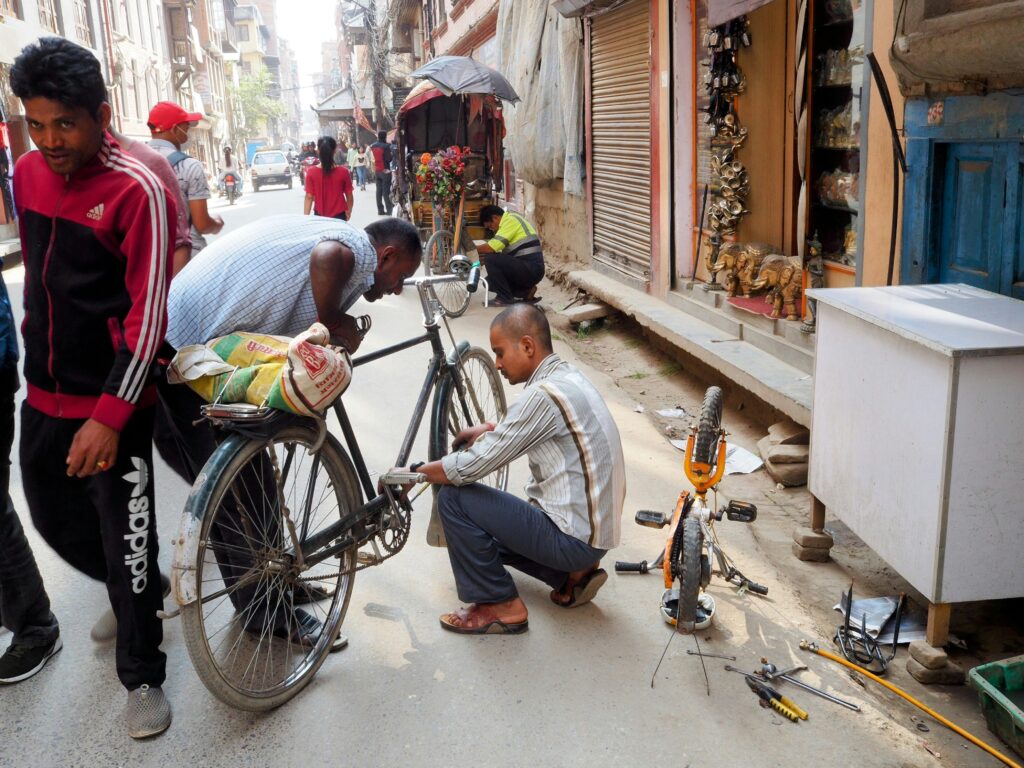
Some focus on electronics, while others repair bicycles, clothing, furniture, or household appliances.
What makes repair hubs different from traditional repair services is their collaborative nature. In many repair spaces, people are encouraged to learn alongside volunteers, technicians, or skilled community members. The process becomes educational rather than purely transactional.
Someone repairing a toaster may learn how circuits work. A teenager fixing a bicycle may gain practical mechanical skills. An older community member may share decades of repair knowledge with younger generations.
In a culture built around disposal, repair hubs help restore confidence in maintenance and problem-solving. They also make repair visible again.
For many years, repair disappeared from everyday life. Products became more sealed, more complex, and less transparent. Repair hubs reverse that trend by literally and culturally opening products up.
Why repair hubs matter beyond waste reduction
Repair hubs are often discussed in environmental conversations, but their impact goes much deeper than reducing waste.
Extending product lifespans
One of the most immediate benefits of repair is keeping products in use longer. Extending the lifespan of electronics, appliances, and household items reduces the need for constant manufacturing and replacement.
This helps conserve raw materials, reduce emissions linked to production, and decrease pressure on waste management systems. Studies show that a significant portion of a device’s lifetime emissions occurs during manufacturing rather than usage.3 Even small repairs can have significant impact when multiplied across communities.
Saving consumers money
Repair culture also offers economic benefits.
Replacing products repeatedly is expensive, especially for households already facing rising living costs. Repair hubs can make maintenance more affordable and accessible, helping consumers maximize the value of what they already own.
At the same time, repair economies can create local employment opportunities for technicians, craftspeople, and small businesses.
Rebuilding appreciation for durability
Perhaps one of the most overlooked benefits is cultural.
Repair encourages people to value products differently. Instead of viewing items as temporary conveniences, people begin to recognize the labour, materials, and craftsmanship behind them.
There is also something deeply human about repairing an object rather than discarding it. It shifts the relationship between people and products from passive consumption to active care.
In many ways, repair hubs are helping communities rediscover skills and mindsets that were once common but gradually disappeared in modern consumer culture.
Strengthening communities
Repair spaces also create social connection.
People from different backgrounds gather around shared practical challenges. Knowledge is exchanged informally. Younger generations learn from older ones. Communities become more resilient by sharing skills and resources locally.
Repair becomes not only an environmental action, but also a community-building activity.
Repair and the circular economy
Repair hubs play an important role in supporting circular economy systems.
A circular economy aims to keep products and materials in use for as long as possible through reuse, repair, refurbishment, and recycling. Instead of following a “take, make, dispose” model, circular systems focus on extending value and minimizing waste.
Repair is one of the most practical ways to achieve this.
Every repaired phone, appliance, or piece of furniture delays disposal and reduces the need for new production. It keeps materials circulating longer within the economy.
Importantly, repair also helps shift sustainability conversations away from recycling alone.
While recycling remains important, many products lose value or quality during recycling processes. Repair preserves more of the original product and often requires fewer resources than manufacturing replacements.
In this way, repair hubs help communities move closer to truly circular thinking.
What businesses can learn from the repair movement
The rise of repair culture also signals changing consumer expectations.
More consumers are beginning to ask:
- Can this product be repaired?
- Are spare parts available?
- How long is this designed to last?
- Is this product upgradeable instead of replaceable?
For businesses, this creates both pressure and opportunity.
Brands that prioritize durability, repairability, and transparency may build stronger long-term trust with consumers. Longer warranties, modular product design, accessible repair services, and available spare parts can increasingly become competitive advantages rather than inconveniences.
Some companies are already exploring repair programs, refurbishment services or take-back systems. For others, repair tutorials and product maintenance support have been effective.
As sustainability expectations grow, repair-friendly design may become a more important part of responsible business strategy.
The challenges facing repair culture
Despite growing interest, repair culture still faces major barriers.
Many products remain difficult to repair due to proprietary designs or restricted access to parts and tools. Repair services can also be expensive or difficult to find in some communities.
Convenience remains another challenge. Consumers are often encouraged to prioritize speed and novelty over maintenance and longevity.
There is also a knowledge gap. Many people simply never learned how to repair products because those skills became less visible over time.
At the policy level, right-to-repair discussions are gaining attention globally. Advocates are pushing for legislation that would improve access to spare parts, repair information, and repair-friendly product standards.4
While progress is uneven, the conversation itself reflects a growing recognition that durability matters.
Repairing more than products
Repair hubs are helping repair our relationship with consumption itself.
They challenge the assumption that everything is temporary. They remind communities that products can have longer lives, that maintenance has value, and that durability should not be treated as a luxury.
In a world shaped by rapid consumption and constant upgrades, communities are rebuilding a culture of maintenance, durability, and shared responsibility one repair at a time.
.