

 Traceability and Circular Economy
Join the global bottle deposit program
Fuelled by the world’s most progressive people.
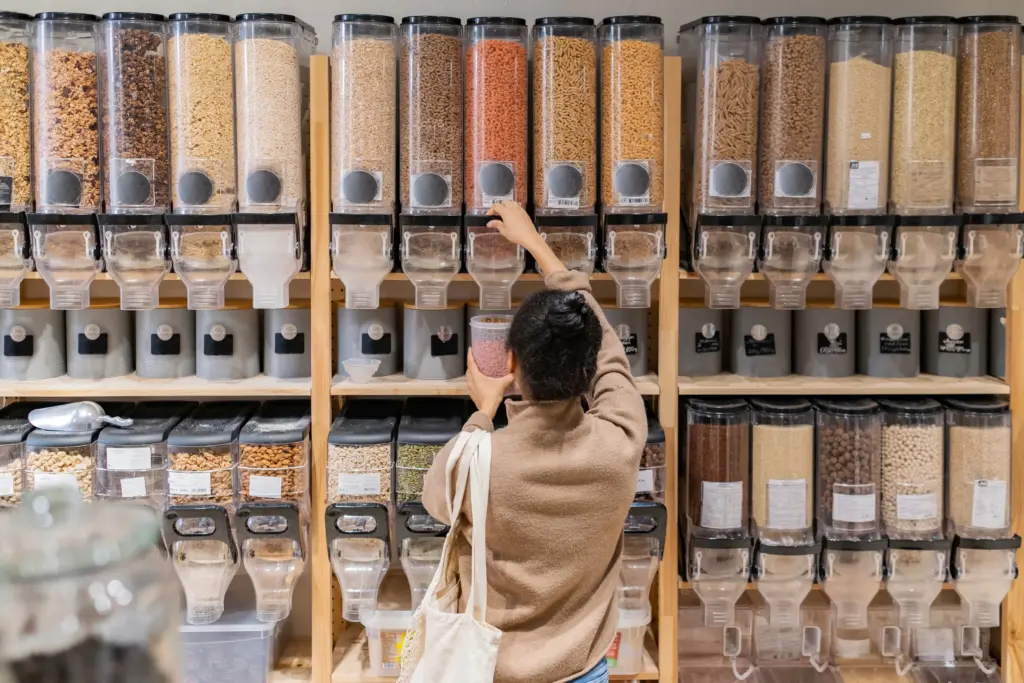
Refill stations sound like a simple idea. Instead of buying a new bottle or container every time you run out of a product, you bring back the one you already have and refill it. Whether it’s laundry detergent, shampoo, cooking oil, or drinking water, the goal is to use less packaging and generate less waste.
On paper, it seems like a solution that everyone could get behind. Fewer single-use containers means fewer resources needed to make new packaging and less waste to manage afterwards.
So why don’t we see refill stations on every corner?
The answer is more complicated than it might seem. While many consumers like the idea of refilling instead of throwing away packaging, making refill systems work at scale requires much more than installing a dispenser in a store. Businesses must navigate challenges related to product safety, regulations, logistics, costs, and consumer habits.
The promise of refill systems
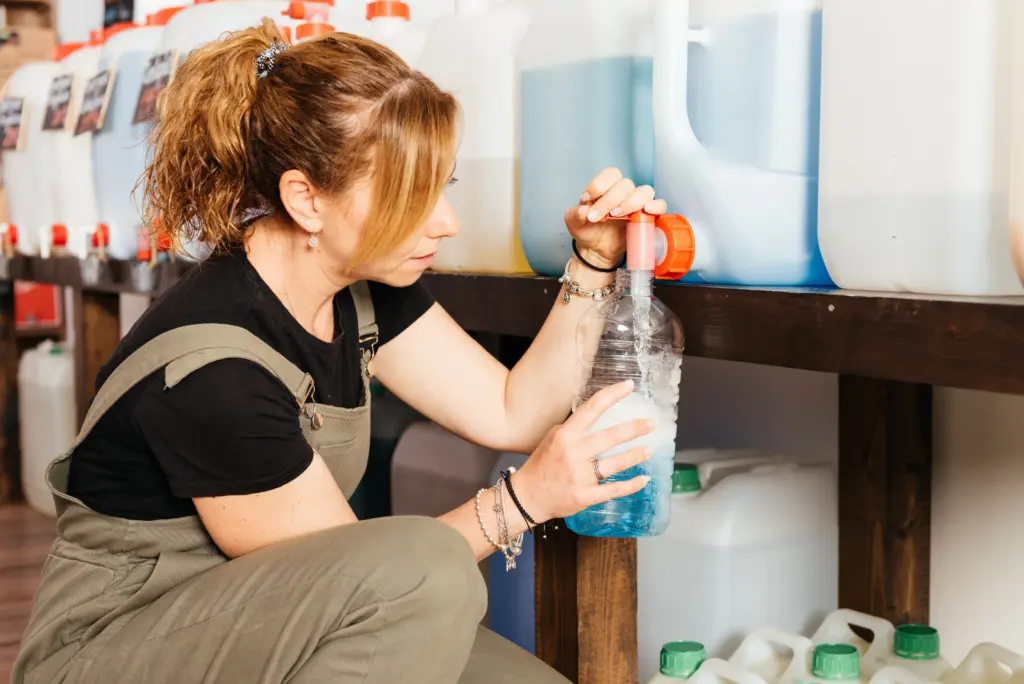
Refill stations help people use the same container again and again instead of buying a new one each time. You might refill a bottle with laundry detergent, shampoo, cooking oil, or even drinking water. The idea is simple: use less packaging and create less waste.
Every reuse cycle can reduce the demand for new packaging materials and help prevent waste from entering the environment. For businesses, refill systems may also contribute to waste reduction targets and sustainability commitments.
However, replacing disposable packaging with reusable systems requires more than installing a dispenser in a store. Refill models must function reliably, safely, and conveniently for both consumers and businesses.
The logistics behind refill systems are more complicated than they appear
One of the biggest barriers to refill systems is logistics.
Most products today are made, packaged, shipped to a store, and sold to a customer. Refill systems work differently. Products often need to be delivered in bulk, refill equipment needs regular maintenance, and containers may need to be collected, cleaned, and reused.
Some refill programs also need a way to collect used containers, clean them, and get them back into circulation. That takes time, equipment, and coordination, which can add costs and make operations more complicated.
Retail locations may also face operational challenges. Refill stations take up valuable floor space, require staff training, and need regular maintenance to ensure products remain safe and accessible. Even small issues such as spills, equipment failures, or inconsistent product availability can negatively affect the customer experience.
For refill systems to succeed, the process must be as seamless as possible. If consumers encounter inconvenience or uncertainty, many will simply return to purchasing packaged alternatives.
Safety and regulations create additional challenges
Beyond logistics, refill systems must comply with regulations designed to protect consumers.
For food products, safety requirements are particularly strict. Businesses must ensure products remain uncontaminated throughout storage and dispensing. Similar considerations apply to personal care and household products, where product quality and safety must be maintained from production to use.
Things can get more complicated when customers bring their own containers. Businesses need to make sure products stay safe and uncontaminated, which can raise questions about cleanliness and responsibility if something goes wrong.
Packaging regulations can create additional hurdles, too. Many products require ingredient lists, safety instructions, expiration dates, batch information, or traceability data. These requirements are relatively straightforward when information is printed directly on packaging, but it can become more complex in refill environments.
Businesses must navigate regulations that were largely developed around traditional packaged goods. Without clear guidance, some companies may hesitate to invest in refill infrastructure.
Consumer support does not always translate into consumer participation
Many people say they want less plastic waste and more sustainable options. Refill stations often sound appealing because they seem like a practical way to reduce packaging.
But liking an idea and actually changing everyday habits are two different things.
Convenience matters. A lot. People have to remember to bring containers, spend extra time refilling products, and sometimes go out of their way to find a refill station. For many shoppers, that’s enough to stop them from making it a regular habit.
Research on reuse systems has repeatedly found that convenience and user experience are among the most important factors influencing participation. Reuse models must deliver benefits beyond sustainability, including convenience, cost savings, and an improved customer experience.1
Price also plays an important role. Many shoppers expect refill options to cost less than packaged products. While refills can sometimes reduce packaging costs, the additional infrastructure and operational requirements may limit the savings businesses can pass on to consumers.
As a result, consumer demand for refill systems often depends on whether the experience is convenient, affordable, and accessible. Sustainability may encourage interest, but convenience frequently determines participation.
Refill systems that have found success
Although refill stations remain relatively uncommon in many markets, several successful examples demonstrate that refill and reuse systems can work when the right conditions are in place.
In Germany, reusable beverage containers have been part of everyday life for decades. Through the country’s deposit-return system, consumers pay a deposit when purchasing beverages and receive it back when they return empty containers.2 Many of these containers are cleaned and reused multiple times before eventually being recycled. The system succeeds because it combines financial incentives, widespread infrastructure, and strong consumer participation. Germany’s experience demonstrates how standardization and convenience can make reuse part of everyday life.
In Chile, the company Algramo has developed refill solutions for household products such as detergent and cleaning supplies. The company uses smart reusable containers and dispensing systems that allow consumers to refill products repeatedly while tracking usage through digital technology.3 Algramo’s model has attracted international attention and partnerships with major consumer goods companies because it focuses on making refills easy and accessible rather than treating them as a niche sustainability initiative.
Another example is Loop, a reusable packaging platform that worked with Carrefour, the leading grocer in France, to offer a nationwide reuse system that offers everyday consumer products in reusable packaging at their local supermarkets.4 The model demonstrates how reuse can be integrated into existing shopping behaviors when retailers, policy makers, and solutions providers work together.
While these examples differ in scale and design, they share several common characteristics. They prioritize convenience, provide clear value to consumers, rely on strong infrastructure, and operate within systems that support reuse at scale.
The economic reality of refill systems
Even when consumers are interested in refill options, businesses must evaluate whether the model is economically viable.
Setting up a refill station isn’t as simple as putting a dispenser in a store. Businesses may need to invest in equipment, storage space, staff training, and systems to keep products safe and available. Costs may include maintenance, cleaning, compliance measures, and transportation.
Many refill systems also depend on scale. A program serving a small number of participants may struggle to justify the costs of operating and maintaining the infrastructure. Higher participation rates often improve efficiency and help spread costs across a larger customer base.
That is why businesses considering refill systems must balance environmental benefits with operational realities. A refill program that reduces packaging waste but fails financially is unlikely to achieve long-term impact.
What would need to change for refill stations to become more common?
Clearer regulations, better infrastructure, and greater consumer participation could help make refill stations more common. The easier refill systems fit into people’s daily routines, the more likely they are to succeed.
Successful refill programs around the world show that reducing packaging waste through reuse is possible. However, refill stations are not as simple as they may seem. They need to be convenient for consumers, practical for businesses, and supported by the right systems and regulations.
That’s why refill stations haven’t become common everywhere yet. The challenge isn’t whether people like the idea. It’s whether businesses, governments, and communities can make refill systems easy, affordable, and accessible enough for everyday use.
As efforts to reduce plastic waste continue, refill stations will likely remain part of the conversation. But alongside recycling, collection programs, and better packaging design, they are just one piece of a broader solution.