The High Seas Treaty, formally known as the BBNJ Treaty (Biodiversity Beyond National Jurisdiction)1, marks a historic step forward in global efforts to protect the life sustaining systems of our planet. For the first time, countries have agreed on a shared legal framework to conserve and sustainably use marine biodiversity in areas of the ocean that lie beyond any single nation’s control.
These vast areas, often referred to as the high seas, make up nearly two-thirds of the global ocean. They regulate our climate, support food systems, and sustain livelihoods worldwide. Yet for decades, they have existed in a governance gap, vulnerable to overexploitation, pollution, and unchecked industrial activity. The High Seas Treaty aims to change that by bringing cooperation, accountability, and long-term stewardship to places that affect us all, even if we never see them.
To understand why this treaty matters, it helps to look beyond policy language and focus on what is truly at stake: biodiversity, ecosystem reliance, and the interconnected relationship between human activity and the environment.
Join the global bottle deposit program
Fuelled by the world's most progressive people.
What Are Areas Beyond National Jurisdiction?
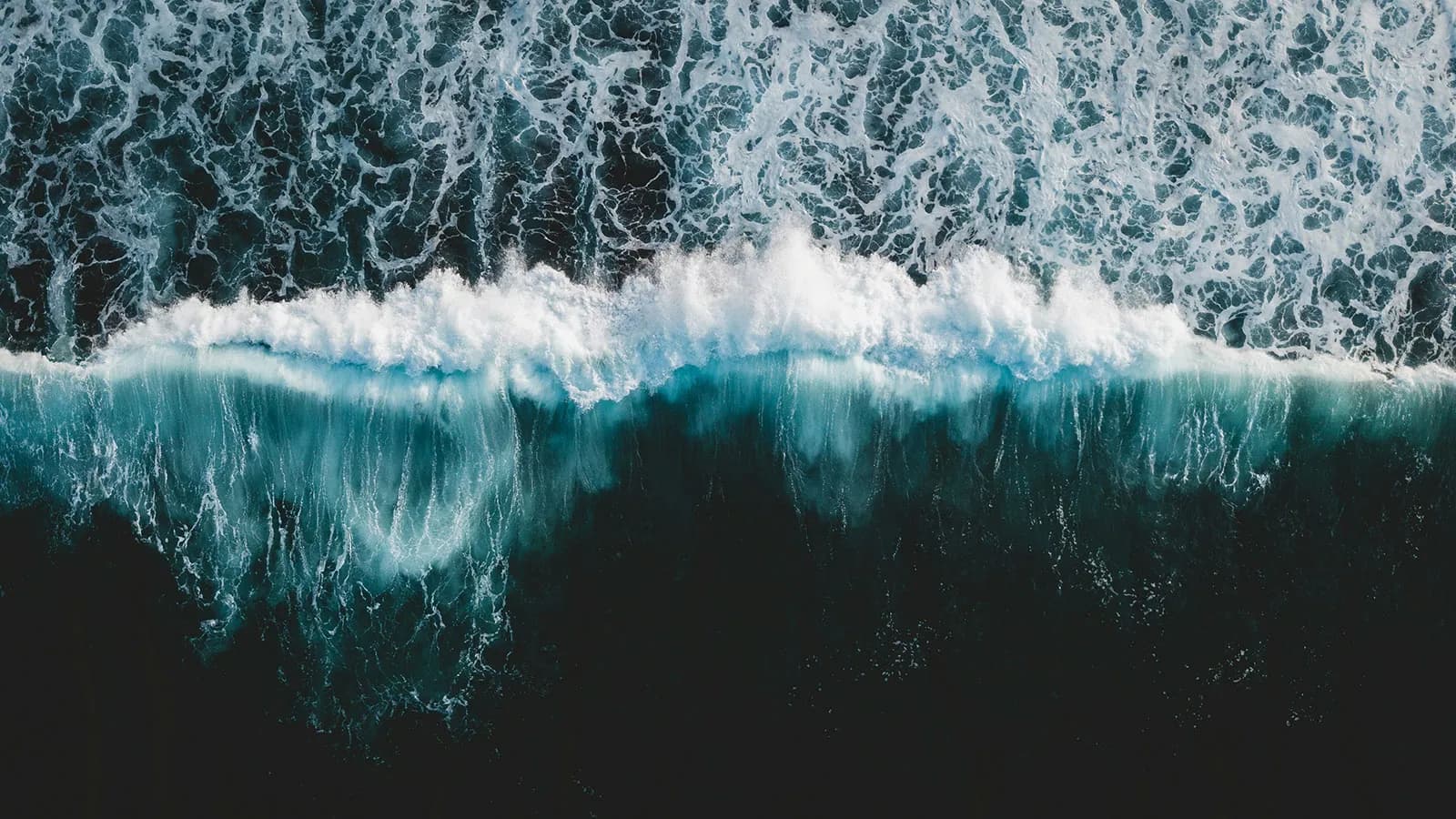
Biodiversity Beyond National Jurisdiction refers to ocean areas that fall outside the exclusive economic zones of coastal nations. These waters begin roughly 200 nautical miles from shore and extend across the open ocean and deep seabed.
Although distant from daily life for many people, these areas are anything but remote in their influence. According to the United Nations, areas beyond national jurisdiction account for about 64 percent of the ocean’s surface2 and nearly half of the planet’s surface area.
These regions play a critical role in:
- Absorbing carbon dioxide and regulating global temperatures
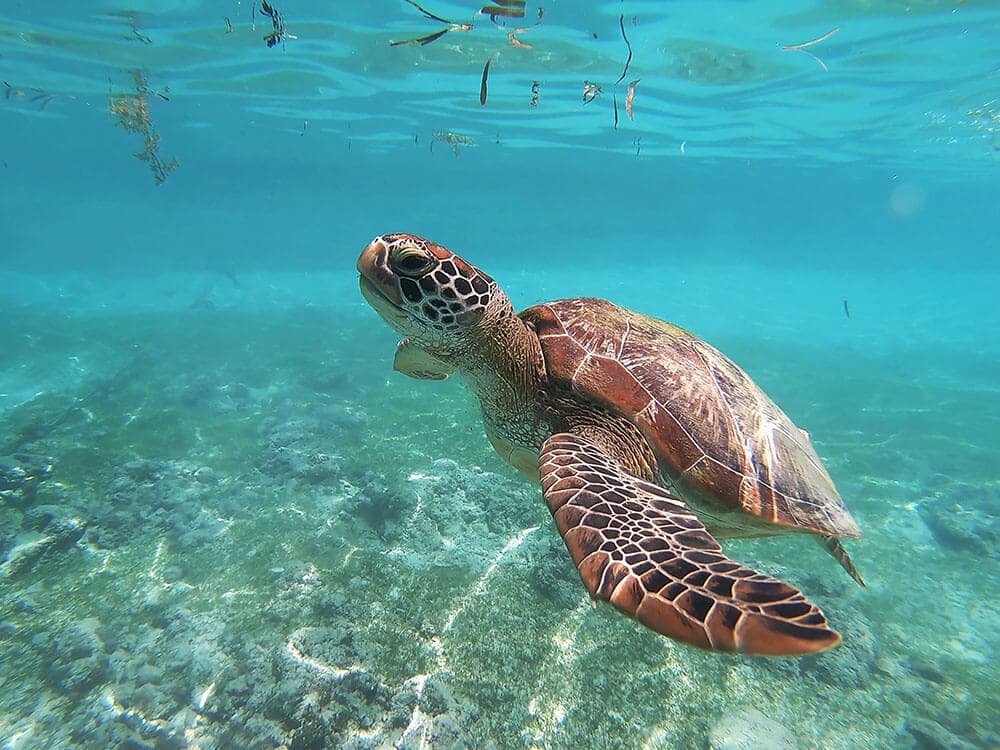
- Supporting migratory species that cross national boundaries
- Maintaining food webs that coastal fisheries depend on
- Cycling nutrients that sustain marine and terrestrial ecosystems
Despite their importance, less than 1 percent of the high seas has historically been fully protected.3 This lack of oversight has allowed damaging activities such as overfishing, deep sea mining exploration, and plastic pollution to accumulate largely unchecked.
The High Seas Treaty was created to close this governance gap and bring coordinated protection to areas that belong to everyone and no one at the same time.

Why Marine Biodiversity Conservation Matters to Everyone
Marine biodiversity conservation is not just about protecting wildlife. It is about protecting the systems that support human life, economic stability, and long-term resilience.
Healthy marine ecosystems:
- Support food security for billions of people worldwide
- Buffer coastal communities from extreme weather events
- Sustain industries such as fishing, tourism, and global trade
- Help regulate the climate by storing vast amounts of carbon
When biodiversity declines, these services weaken. The loss of species destabilizes ecosystems, making them more vulnerable to climate change, pollution, and exploitation. Over time, this fragility affects people everywhere, particularly communities that rely most directly on the environment for income and survival.
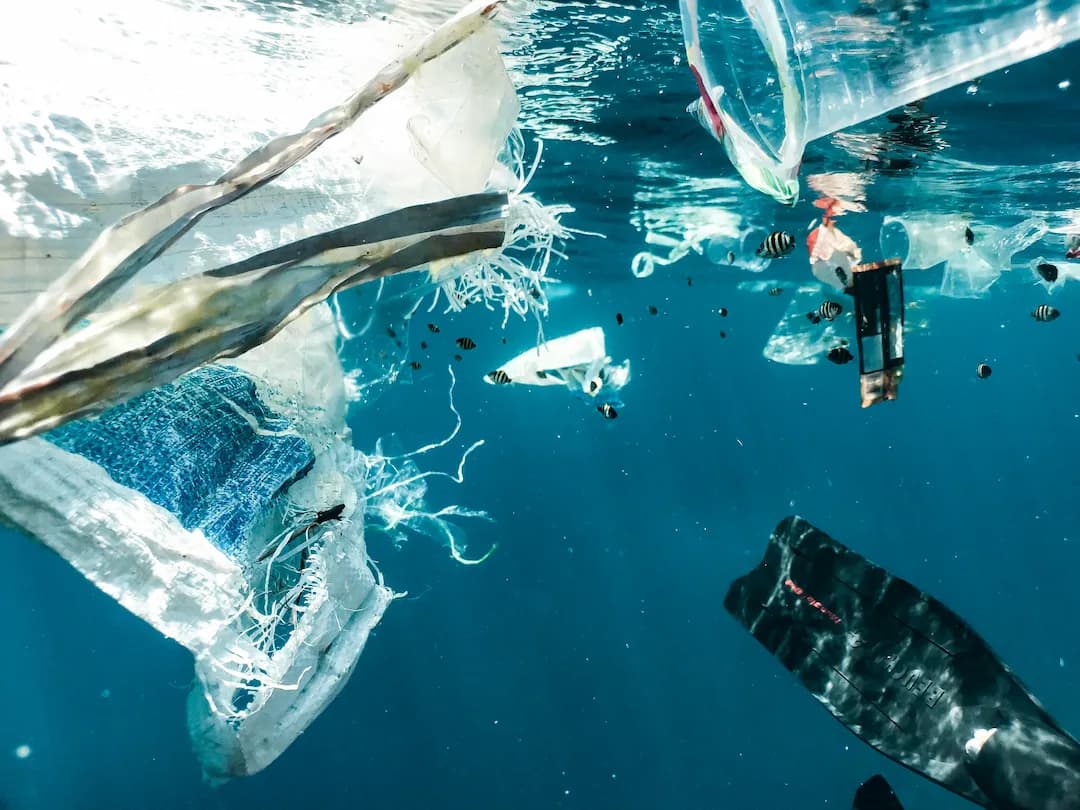
Plastic pollution is one of the clearest examples of this interconnected risk. Plastic waste does not respect borders. Items discarded on land can travel through rivers and currents, breaking down into microplastics that infiltrate food chains far beyond national waters. Addressing biodiversity loss without addressing pollution leaves a critical vulnerability unresolved.
This is where ecosystem reliance becomes unmistakable. Human wellbeing depends on natural systems functioning properly, and damage in one place often creates consequences far away.
How the High Seas Treaty Works in Practice
The High Seas Treaty is designed to move beyond broad commitments and into coordinated action. It establishes practical tools that help protect marine biodiversity beyond national jurisdiction.
Establishing Marine Protected Areas on the High Seas
One of the treaty’s most significant provisions is the ability to create marine protected areas in international waters. These areas can restrict or manage activities to allow ecosystems to recover and rebuild resilience.
Scientists estimate that protecting at least 30 percent of the ocean by 2030 is essential to halt biodiversity loss.4 Until now, achieving that target on the high seas has been nearly impossible. The High Seas Treaty provides a pathway to reach it through collective decision-making and shared responsibility.
Environmental Impact Assessments for Offshore Activities
For the first time, countries will be required to assess the environmental impacts of activities planned in areas beyond national jurisdiction. These assessments must consider cumulative and long-term impacts, not just immediate harm.
This requirement introduces transparency and accountability, helping ensure that economic activity does not come at the cost of irreversible ecosystem damage.
Fair and Equitable Sharing of Benefits
The treaty also addresses marine genetic resources, including organisms with potential value for medicine, biotechnology, and research. Benefits derived from these shared resources are intended to support conservation and capacity building, particularly for developing nations.
This approach reflects a growing recognition that the ocean is a shared heritage and that its benefits should contribute to collective wellbeing, not just private gain.
Real World Pressures on Biodiversity Beyond National Jurisdiction
While the High Seas Treaty establishes a framework for protection, the pressures facing marine ecosystems are already intense.
Key threats include:
- Climate change, which drives warming, acidification, and deoxygenation
- Overfishing and unsustainable extraction
- Habitat disruption from industrial activities
- Plastic pollution that accumulates far from its source
Plastic pollution is especially pervasive. Once plastic enters the environment, it can circulate for decades, breaking down into microplastics that are ingested by marine life at every level of the food chain. These particles have been found in deep-sea sediments, migratory species, and even in the most remote ocean regions.
Reducing these pressures requires action not only at sea, but upstream, on land, in supply chains, and in consumption patterns. The High Seas Treaty creates a global umbrella, but its success depends on what happens well before waste and emissions ever reach international waters.
The Role of Business in Marine Biodiversity Conservation
The treaty also sends a clear signal to the private sector. Responsibility for protecting biodiversity beyond national jurisdiction does not stop at national borders.
Businesses influence marine ecosystems through packaging, sourcing, logistics, waste management, and product design. Aligning operations with environmental protection helps reduce pressure on ecosystems that sustain global markets and communities alike.
For sustainability professionals and business leaders, the High Seas Treaty reinforces a growing truth: long-term economic resilience depends on healthy ecosystems. Preventing pollution, supporting circular systems, and investing in responsible practices are no longer niche efforts. They are essential strategies for future stability.
Why Individual Action Still Matters
Although the High Seas Treaty operates at an international level, individual choices remain powerful drivers of change.
Every purchasing decision influences demand. Every avoided single-use item reduces the risk of pollution entering the environment. Every conversation helps shape cultural expectations around responsibility and stewardship.
Individual behaviour also strengthens collective momentum. When people support systems that value protection over exploitation, policies and markets follow. The protection of biodiversity beyond national jurisdiction ultimately depends on millions of small, consistent actions aligning with global intent.
Challenges and the Road Ahead
The High Seas Treaty is a landmark agreement, but it is not a guarantee of success.
Its effectiveness will depend on:
- Ratification by enough countries to bring it into force
- Adequate funding and scientific cooperation
- Enforcement mechanisms that ensure compliance
- Continued engagement from civil society and the private sector
Treaties create structure, but outcomes are shaped by commitment. Without sustained action, even the strongest agreements risk falling short of their potential.
A Shared Responsibility for a Shared Ocean
The High Seas Treaty represents a shift in how humanity relates to the ocean. It recognises that what lies beyond national borders is not beyond responsibility.
Protecting biodiversity beyond national jurisdiction is about safeguarding the systems we all rely on, from climate regulation to food security. It is about understanding ecosystem reliance and choosing stewardship over short-term gain.
This is where action on land and at sea must connect. Preventing plastic pollution, supporting circular economies, and empowering communities are essential complements to global policy.
At Plastic Bank, this connection is at the heart of the work. By stopping plastic pollution at its source and enabling communities to participate in the circular economy, Plastic Bank demonstrates how environmental protection and human prosperity can advance together. Individual choices and business participation alike help turn global agreements like the High Seas Treaty into meaningful, lasting impact.
The opportunity is clear: we all share the responsibility. The future of the high seas depends on what we do next.
.