
Confirmation

Are you sure you want to remove this item from cart?

Is there, in fact, a global plastic pollution crisis?

The answer is yes. The crisis status given to current levels of plastic pollution stems from two main factors: the ever-increasing plastic production and the ongoing plastic leakage into the environment.

Globally, 460 million tons of plastic are produced annually(1). Without change, this will triple by 2060(2).
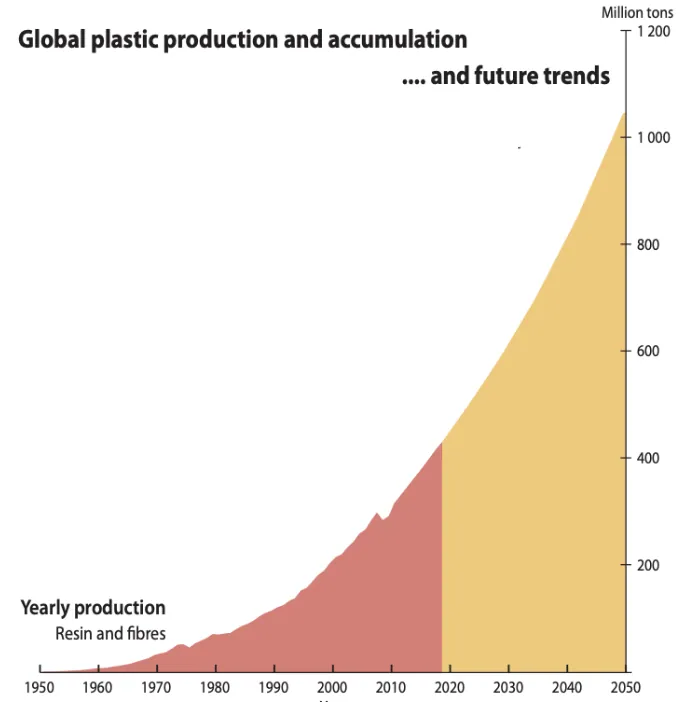
UNEP 2021. From Pollution to Solution. A Global Assessment of Marine Litter and Plastic Pollution. Nairobi

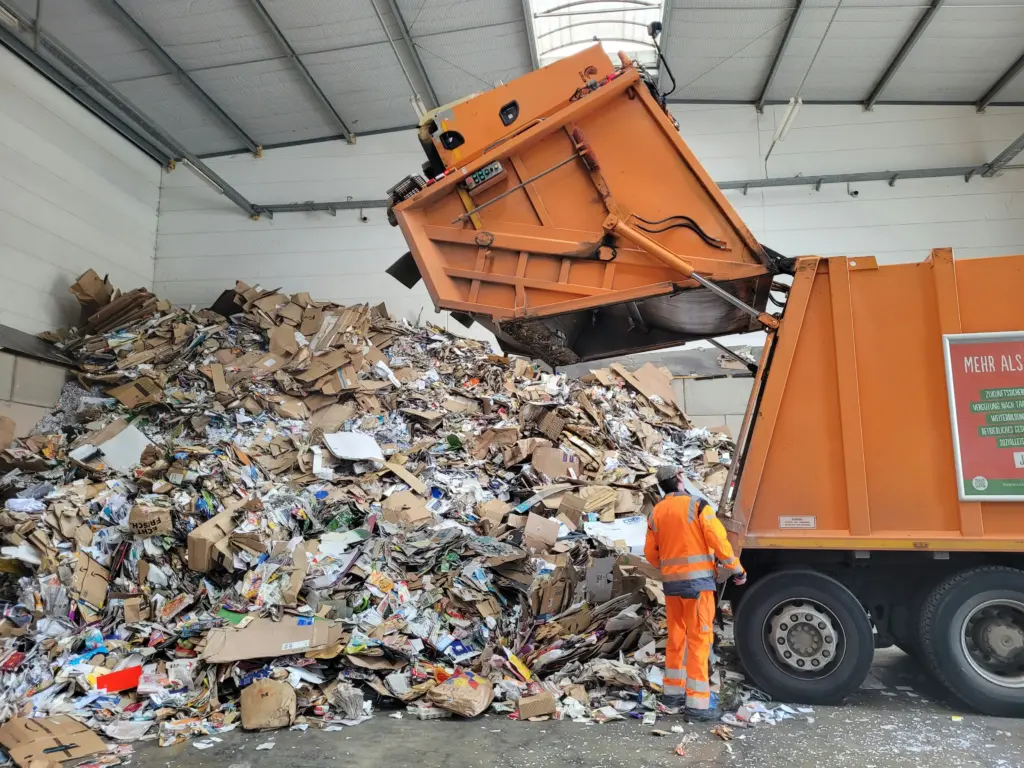
Looking at the scale of plastic leakage, it has been estimated that every year 20 million tonnes of plastic enter the environment, a figure set to double by 2030(2). Breaking that down, this translates to the equivalent of 2,000 garbage trucks full of plastic entering the oceans every single day(2), accounting for 85% of all marine waste, most of which is single-use packaging(3, 4). At this pace, by 2050, the amount of plastic will outweigh the fish in the ocean(5).

The Impacts and Costs of Plastic Pollution

The consequences of mismanaged plastic are vast and systemic, manifesting in three critical areas: Biodiversity Loss and the Blue Economy, Climate Change, and the degradation of Employment and Working Conditions.

Biodiversity Loss and the Blue Economy
plastic pollution

The problem

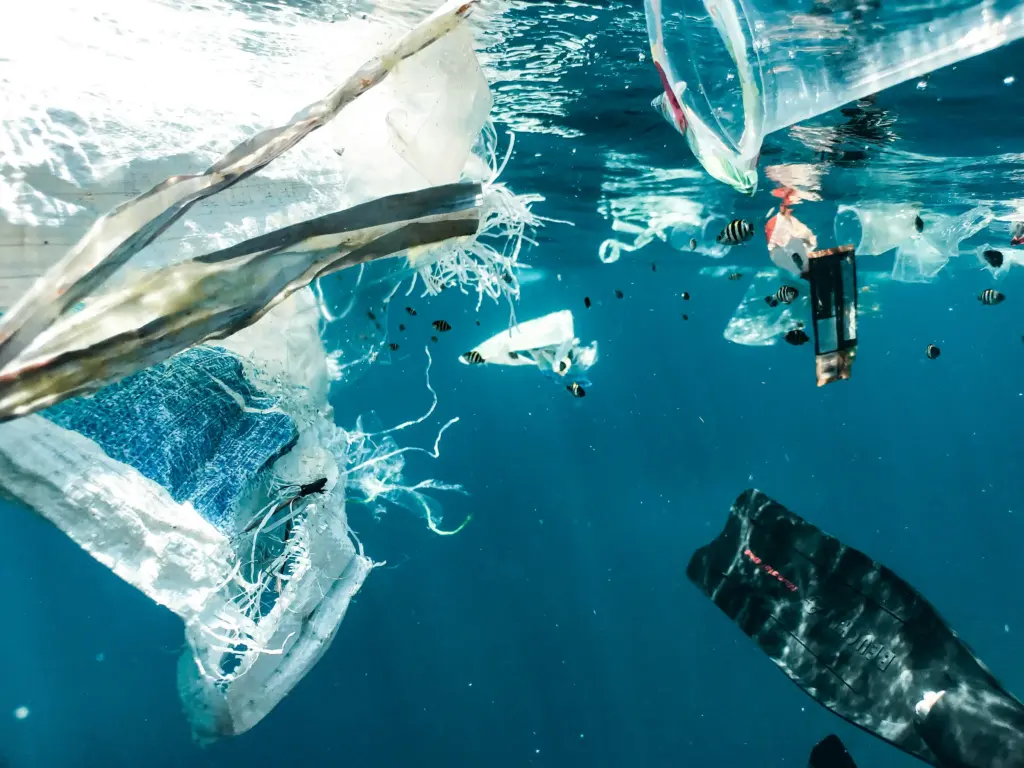
Plastic pollution causes immense damage to marine ecosystems, threatening the ‘Blue Economy’ (the sustainable use of ocean resources). This damage extends from the collapse of coral reefs to the contamination of global fisheries

The impact

Financial Impact: Plastic waste results in an estimated loss of US$300 billion to US$600 billion per year in ecosystem service value and natural capital(1).

The Seabird Crisis: It is estimated that in 2015, 90% of all seabirds alive today have ingested plastic fragments, mistaking them for food(6).

Fisheries & Tourism: Marine plastic pollution causes an estimated US$7 billion in annual losses specifically to the global tourism and fishing industries due to damaged gear, contaminated catch, and loss of coastal appeal(7).

Climate Change
The problem

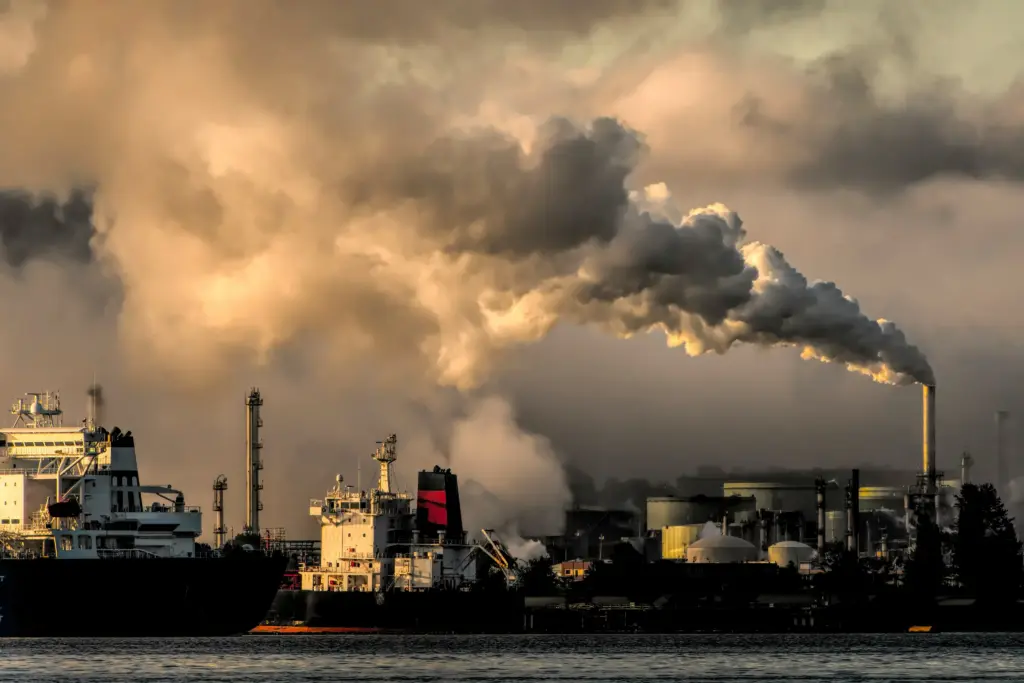
The plastic lifecycle is deeply tied to the climate crisis. From extraction to incineration, its production is a major source of global greenhouse gas emissions.

The impact

Global Emissions Share: The production and disposal of plastics currently account for 3.4% of total global greenhouse gas emissions 8.

Production Growth: By 2050 greenhouse gas emissions associated with plastic production, use and disposal would account for 15% of allowed emissions, under the goal of limiting global warming to 1.5°C 9.

Employment and Working Conditions
The problem

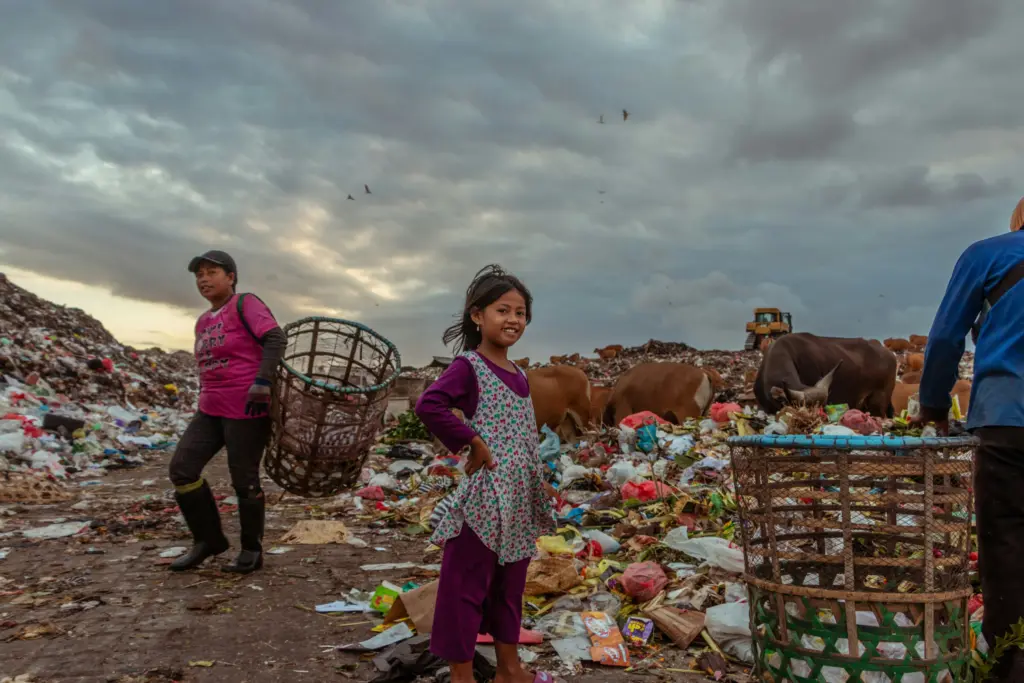
Plastic pollution is a major driver of global health inequality, disproportionately affecting the world’s most vulnerable workers. While the informal waste sector provides a vital service, mismanaged plastic waste creates “death zones” for communities living near dumpsites.

The impact

The Health Costs: Between 400,000 and 1 million people in developing nations die every year from diseases (such as diarrhea, malaria, and respiratory illnesses) caused by mismanaged waste that is dumped or burnt10.

Informal Sector Risks: Over 20 million people work as informal waste pickers; while they are responsible for the majority of plastic recycling in the Global South, they face extreme risks from toxic fumes and hazardous chemicals11

Plastic Pollution Hotspots
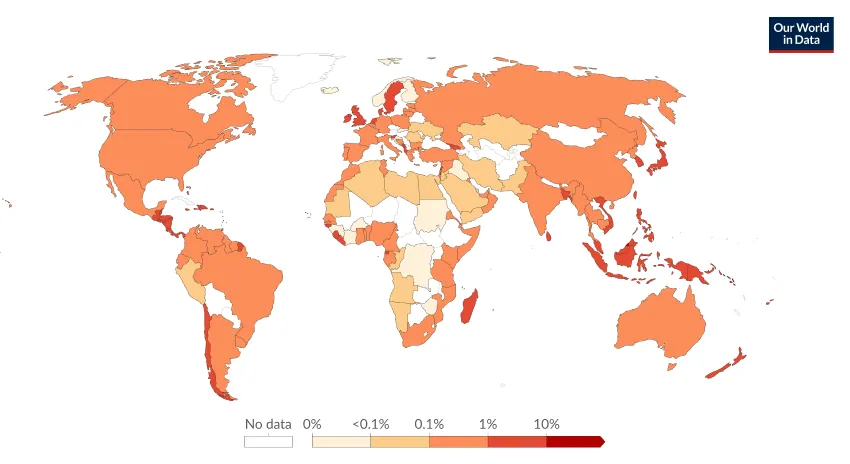
Probability of mismanaged plastic waste being emitted to the ocean (13, 14)

To effectively tackle global ocean waste, we first need to understand where it begins. Where does marine plastic pollution stem from? 80% of marine litter originates on land, transported to the ocean via rivers and coastlines.

Why is tackling plastic pollution in Southeast Asia so important? The region has become one of the primary global plastic leakage hotspots.
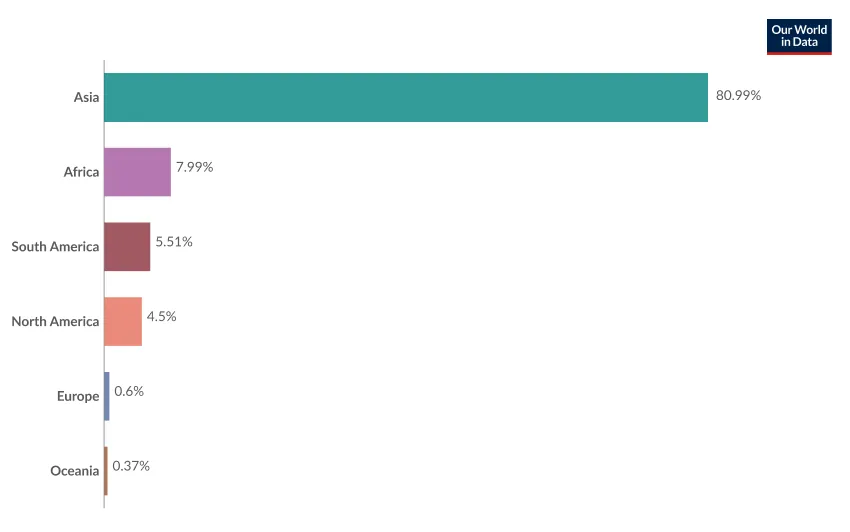
Source: Meijer et al, 2021 (13).

Annual estimate of plastic emissions. A country’s total does not include waste that is exported overseas, which may be at higher risk of entering the ocean

Solutions to tackle plastic pollution are available. By taking collective action, we can turn the tide—safeguarding our environment, protecting global economies, and saving human and animal lives.

Recover your first 50 bottles

Join the global bottle deposit program and start with:

  • 50 bottles collected from one of our communities
  • Community updates delivered directly to your inbox
  • Learning resources with the Plastic Bank Academy

More Featured articles

Sources

  1. “IUCN Issues Brief: Plastic Pollution,” International Union for Conservation of Nature, 2024, https://iucn.org/resources/issues-brief/plastic-pollution
  2. “Turning Off the Tap: How the World Can End Plastic Pollution and Create a Circular Economy,” United Nations Environment Programme, 2023, https://www.unep.org/resources/turning-off-tap-end-plastic-pollution-create-circular-economy
  3. “Breaking Down High-Risk Plastic Products: Assessing Pollution Risk and Elimination Feasibility of Plastic Products,” WWF, 2023, https://wwfint.awsassets.panda.org/downloads/wwf_breaking_down_high_risk_plastic_products.pdf
  4. “From Source to Sea: The Untold Story of Marine Litter,” European Environment Agency, 2023, https://www.eea.europa.eu/en/analysis/publications/from-source-to-sea-the-untold-story-of-marine-litter
  5. “The New Plastics Economy: Rethinking the Future of Plastics,” Ellen MacArthur Foundation, 2016, https://content.ellenmacarthurfoundation.org/m/1775fbba280fa21/original/The-New-Plastics-Economy-Rethinking-the-future-of-plastics.pdf
  6. C. Wilcox, E. van Sebille, and B. D. Hardesty, “Threat of Plastic Pollution to Seabirds Is Global, Pervasive, and Increasing,” Proceedings of the National Academy of Sciences, September 2015, https://doi.org/10.1073/pnas.1502108112
  7. “Plastics: The Costs to Society, the Environment and the Economy,” WWF, 2021, https://theoceanmovement.org/wp-content/uploads/2021/09/wwf-plastic-rapport-english-min.pdf
  8. “Actions for a Healthy Planet,” United Nations ActNow, https://www.un.org/en/actnow/ten-actions
  9. “From Pollution to Solution: A Global Assessment of Marine Litter and Plastic Pollution,” United Nations Environment Programme, 2021.
  10. Mari Williams, Rich Gower, Joanne Green, Elisabeth Whitebread, Zoë Lenkiewicz, and Patrick Schröder, “No Time to Waste: Tackling the Plastic Pollution Crisis Before It's Too Late,” Institute of Development Studies and Partner Organisations, 2019, https://hdl.handle.net/20.500.12413/14490
  11. Judith Gutberlet, “Global Plastic Pollution and Informal Waste Pickers,” Cambridge Prisms: Plastics, 2023, https://doi.org/10.1017/plc.2023.10
  12. W. C. Li, H. F. Tse, and L. Fok, “Plastic Waste in the Marine Environment: A Review of Sources, Occurrence and Effects,” Science of the Total Environment, 2016, https://doi.org/10.1016/j.scitotenv.2016.05.084
  13. L. J. J. Meijer et al., “More Than 1,000 Rivers Account for 80% of Global Riverine Plastic Emissions into the Ocean,” Science Advances, April 30, 2021, https://doi.org/10.1126/sciadv.aaz5803
  14. “Policy Scenarios for Eliminating Plastic Pollution by 2040,” Organisation for Economic Co-operation and Development, October 2, 2024, https://www.oecd.org/en/topics/
  15. “Plastic Pollution Is Growing Relentlessly as Waste Management and Recycling Fall Short, Says OECD,” Organisation for Economic Co-operation and Development, February 22, 2022, https://www.oecd.org/en/about/news/press-releases/2022/02/plastic-pollution-is-growing-relentlessly-as-waste-management-and-recycling-fall-short.html
  16. “Food Loss and Waste Account for 8–10% of Annual Global Greenhouse Gas Emissions; Cost USD 1 Trillion Annually,” United Nations Climate Change News, September 30, 2024, https://unfccc.int/news/food-loss-and-waste-account-for-8-10-of-annual-global-greenhouse-gas-emissions-cost-usd-1-trillion
  17. Veronika Samborska, “Packaging Is the Source of 40% of the Planet's Plastic Waste,” Our World in Data, November 14, 2024, https://ourworldindata.org/data-insights/packaging-is-the-source-of-40-of-the-planets-plastic-waste
  18. “What Is the Life-Cycle Approach and How Can It Help Tackle Plastic Pollution?” United Nations Environment Programme, August 22, 2024, https://www.unep.org/news-and-stories/story/what-life-cycle-approach-and-how-can-it-help-tackle-plastic-pollution