


 Plastic Pollution and Recycling
Join the global bottle deposit program
Fuelled by the world’s most progressive people.
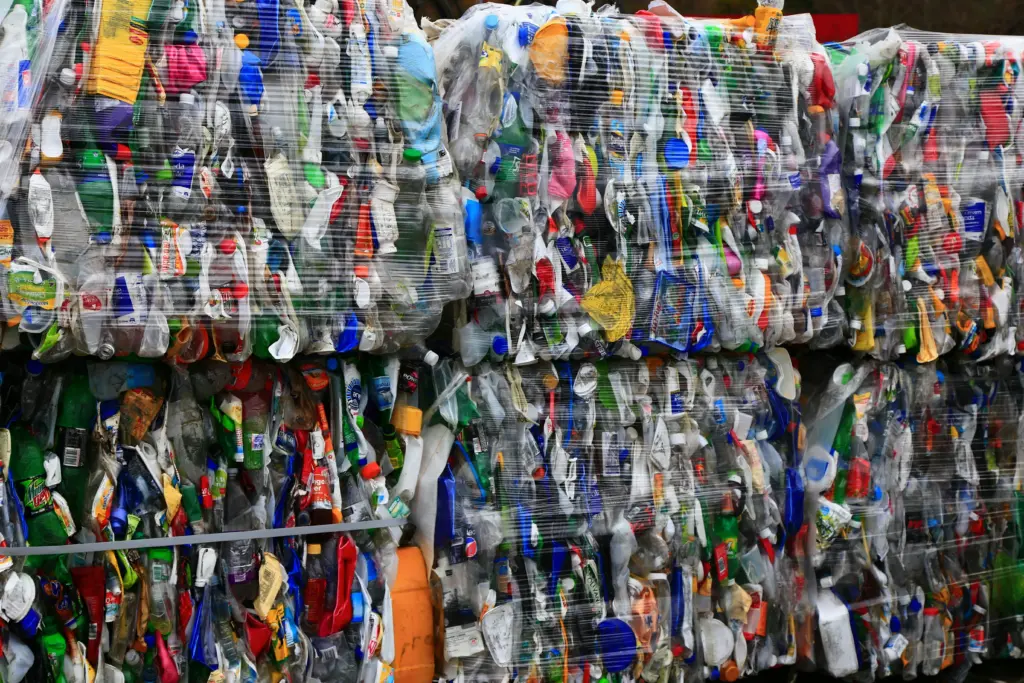
Extended producer responsibility (EPR) programs are quickly becoming one of the most powerful policy tools shaping how businesses design, package, and take responsibility for their products. From Europe to Asia, governments are shifting the burden of waste management from municipalities to producers.
Most companies approach EPR as a requirement to comply with. But globally, the most effective programs prove that it can also be a competitive advantage.
Let’s take a closer look at what leading programs around the world are doing differently and what businesses in the Philippines can learn from them.
What are extended producer responsibility programs and why they matter
Exended producer responsibility programs require producers to take financial or operational responsibility for the end-of-life management of their products and packaging. More than 60 countries have implemented EPR policies, with strong adoption across Europe, North America, and Asia.
Why the momentum?
Because traditional require producers to take financial or operational responsibility for the end-of-life management of their products and packaging. More than 60 countries have implemented EPR policies, with strong adoption across Europe, North America, and Asia.
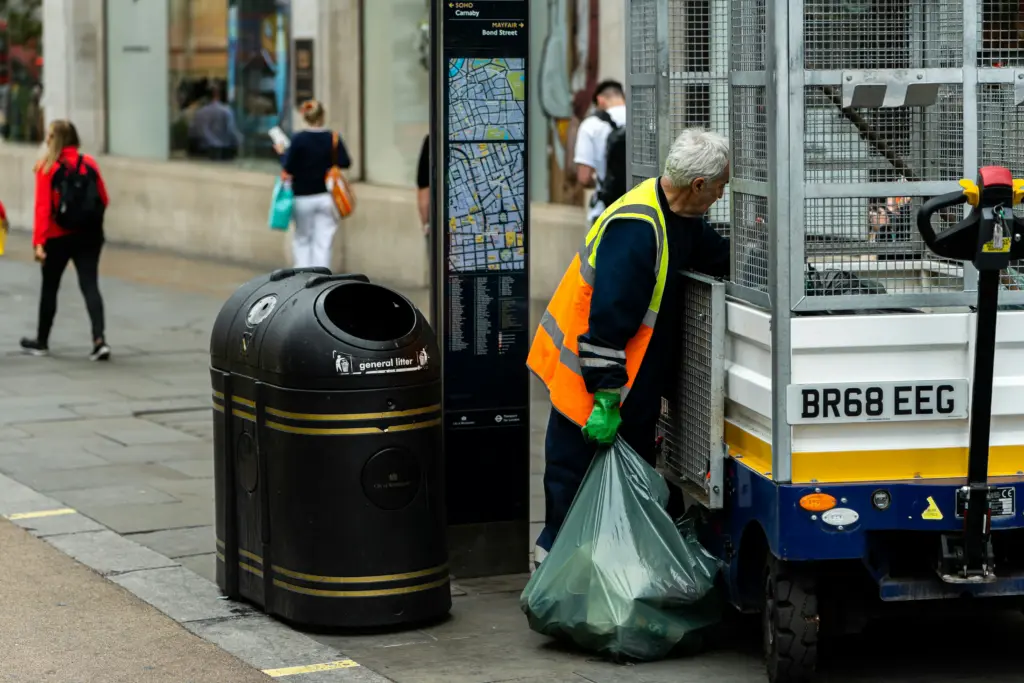
The global reality: Same policy, very different outcomes
Research across Europe shows that countries with similar EPR frameworks deliver vastly different results.2
Countries like Germany and the Netherlands consistently outperform others due to strong enforcement mechanisms, transparent reporting systems, well-structured producer responsibility organizations (PROs), and clear cost allocation models
Meanwhile, other regions face challenges such as weak enforcement, free riders, and limited infrastructure. This tells us that policy alone doees not create impact, it needs to have strong systems in place.
Case study: Germany
Germany is often considered the blueprint for effective extended producer responsibility programs. Its Packaging Act was implemented in the early 1990s and updated in 2019, mandating that producers assume financial and operational responsibility for the entire lifecycle of their packaging. In 2022, Germany reported recycling rates above the 2025 targets for packaging waste recycling.3
What makes Germany’s system effective?
- Robust enforcement and accountability – The system requires mandatory producer registration and full lifecycle accountability.
- Economic Incentives: It employs modulated fees tied to recyclability, which incentivizes producers to redesign packaging to be more sustainable.
- Structured Infrastructure: The system uses multiple competing Producer Responsibility Organizations (PROs), fostering innovation and cost-efficiency in collection and sorting. This is complemented by an extensive, mandatory national deposit-return system (DRS) for nearly all single-use drink cans and bottles made of aluminum, glass, and PET.
Germany’s program demonstrates that a well-designed, enforced, and adaptable EPR system can successfully drive waste reduction, increase recycling rates, and foster a more circular economy for packaging.
Case study: The Netherlands
The Netherlands has built one of the most efficient EPR systems in Europe, driven by strong collaboration between government, producers, and recycling organizations. The Dutch EPR, known as Uitgebreide Producentenverantwoordelijkheid (UPV), covers packaging, textiles, batteries and accumulators, electrical and electronic equipment, textiles, packaging and disposable plastic.4
The key strengths of the Dutch system are system alignment and producer accountability. Producers, municipalities, and recyclers operate within a coordinated framework. Often done through Producer Responsibility Organizations (PROs), reducing fragmentation and inefficiencies. Meanwhile, companies selling products in the Netherlands for the first time are responsible for the entire lifecycle, including funding the collection and disposal of waste, with the aim of maximizing reuse, repair, and recycling. The Netherlands illustrates how compliance can be embedded into a broader circular economy strategy.
Case study: Japan
Japan’s approach to extended producer responsibility programs is unique because it blends policy with cultural discipline.
Rather than relying solely on financial mechanisms, Japan emphasizes strict waste segregation at the household level, shared responsibility between consumers, municipalities, and producers, and high public awareness and participation.
Under laws like the Containers and Packaging Recycling Law,5 producers contribute financially to recycling systems, while citizens play a direct role in sorting waste. This has paved the way for exceptionally high recycling and recovery rates, minimal contamination in waste streams, and efficient downstream processing. Japan shows that EPR works best when systems are supported by both regulations and behavior change.
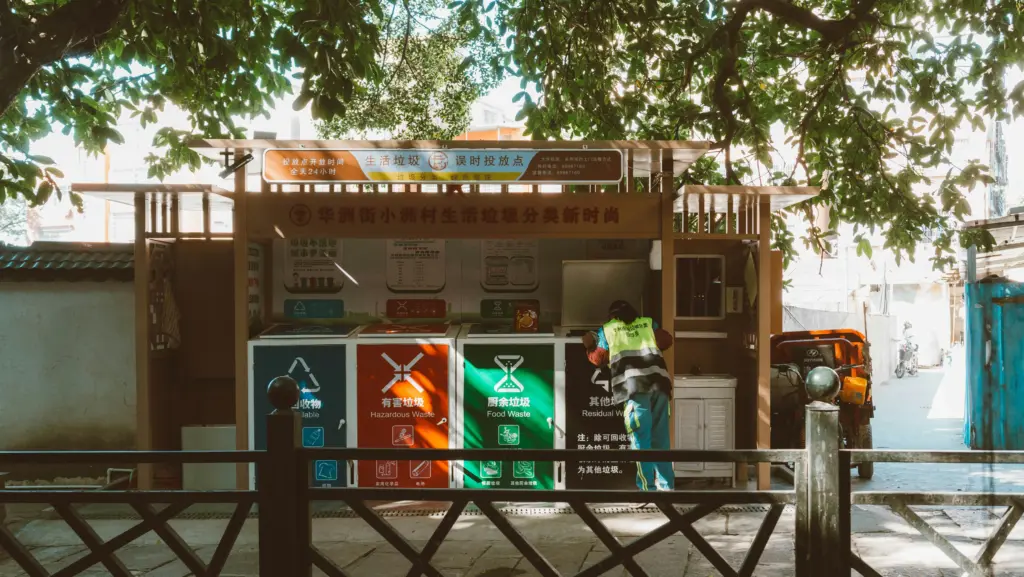
Case study: China
China’s EPR model is driven by scale and centralized control. Historically, China relied heavily on informal waste systems. But in recent years, the government has rapidly formalized its approach through mandatory waste sorting policies in major cities, increasing producer responsibility requirements, and investment in recycling infrastructure.
China’s National Sword policy, which restricted waste imports, forced a shift toward domestic waste management capacity. China is now building large-scale recycling infrastructure and increasing regulatory pressure on producers. They are also integrating digital tracking systems in some regions. However, there are many challenges that remain. There is inconsistent enforcement across provinces and continued reliance on informal collection networks which contributes to data transparency gaps.7 This has created uneven impact, but it is clear that progress is possible with strong policy direction.
The common challenges of EPR programs
EPR programs fall short for many reasons. These issues can turn EPR into a compliance burden instead of a tool for transformation:
Weak enforcement – Non-compliant companies continue operating, undermining progress.
Lack of transparency – Poor data limits accountability and trust.
Misaligned incentives – Flat fees fail to reward better design.
Infrastructure gaps – Without collection systems, recovery targets are unrealistic.
Administrative complexity – Global companies face fragmented requirements across markets.
The Philippines EPR law: A system in progress
The Philippines is emerging as a key EPR market with the Extended Producer Responsibility Act of 2022 (RA 11898).
The law requires companies to recover increasing percentages of their plastic packaging footprint, implement verified recovery programs, and report progress annually.
The success of this mandatory accountability will depend on execution, especially with challenges such as inadequate collection infrastructure, data gaps, and weak enforcement.
Businesses can learn from proven global models to avoid common pitfalls. The opportunity is significant. By partnering with organizatons that already operate on the ground, they can take advantage of systems that can deliver measurable recovery.
From compliance to impact
The most effective programs set themselves apart by changing how plastic is valued, collected, and kept out of the environment.
Plastic Bank helps companies meet and exceed EPR requirements while delivering verified collection, community impact, and measurable results.
Learn how your business can turn EPR into real impact: https://plasticbank.com/epr-philippines