

 Traceability and Circular Economy
Join the global bottle deposit program
Fuelled by the world’s most progressive people.
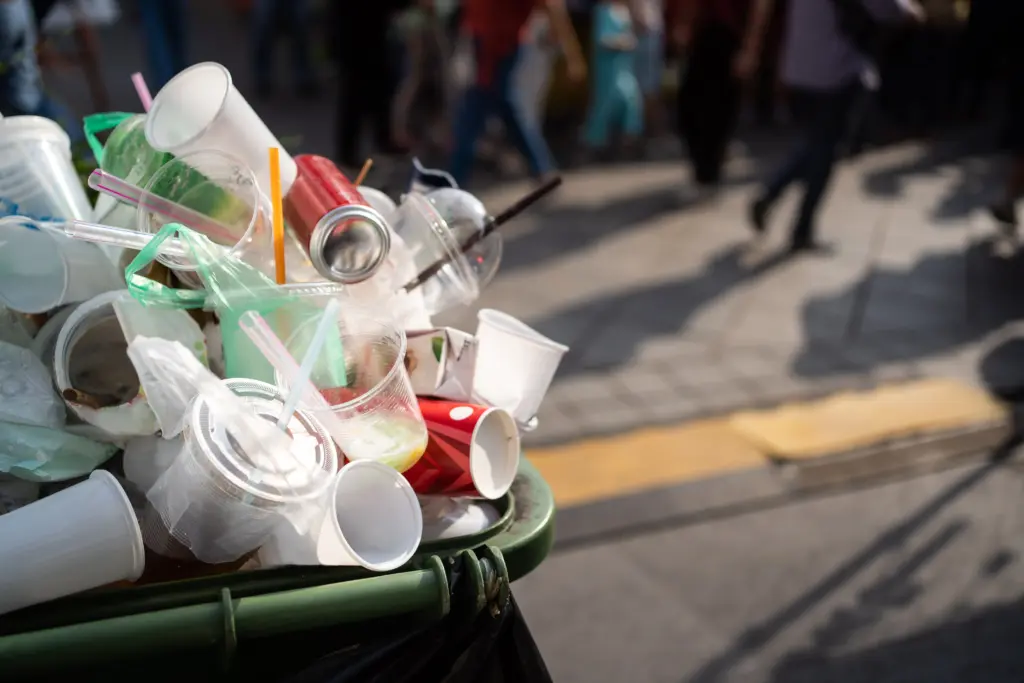
If every piece of plastic disappeared overnight, modern life would come to a standstill.
You wake up and reach for your toothbrush. You make coffee using a machine with plastic parts. You check your phone, put on your shoes, grab your reusable water bottle, and head out the door. Even if you’re trying to make sustainable choices, plastic is almost impossible to avoid.
This raises an important question: can we live without plastic?
For many people, the obvious answer is yes. After all, plastic pollution has become one of the world’s biggest environmental challenges. Images of littered beaches and wildlife tangled in plastic waste have fuelled calls for a plastic-free future.
But the reality is more complex.
Plastic itself is not the enemy. In many cases, it plays an essential role in protecting human health, preserving food, improving transportation, and supporting renewable energy. The real challenge lies in reducing unnecessary plastic use while ensuring essential plastics stay in circulation and out of nature.
Instead of asking how to eliminate plastic altogether, perhaps the better question is: Where does plastic add the most value, and where can we do without it?
Why plastic became so essential
Plastic became one of the world’s most widely used materials for good reason.
Compared with many alternatives, it is lightweight, durable, and affordable. It is also hygienic, highly versatile and easy to manufacture into countless shapes and products.
These qualities have transformed industries and improved everyday life.
Today, plastic is found in everything from medical equipment and food packaging to smartphones, vehicles, and renewable energy technologies. According to the OECD, global plastic use reached 435 million tonnes in 2020 and is projected to grow by another 70% by 2040 without stronger policy action.1
Unfortunately, the same durability that makes plastic useful also means it can persist in the environment when it is not properly collected and managed. Only 9% of plastic waste is recycled globally, while nearly half ends up in landfill and 22% is mismanaged, where it can become pollution.2
This is why the conversation should not focus solely on eliminating plastic. It should focus on designing, using, collecting, and recovering it more responsibly.
Where we can’t easily replace plastic
Although many plastic alternatives are emerging, there are several areas where plastic remains difficult to replace without compromising safety, performance, or affordability.
Healthcare depends on plastic
Modern healthcare would look very different without plastic.
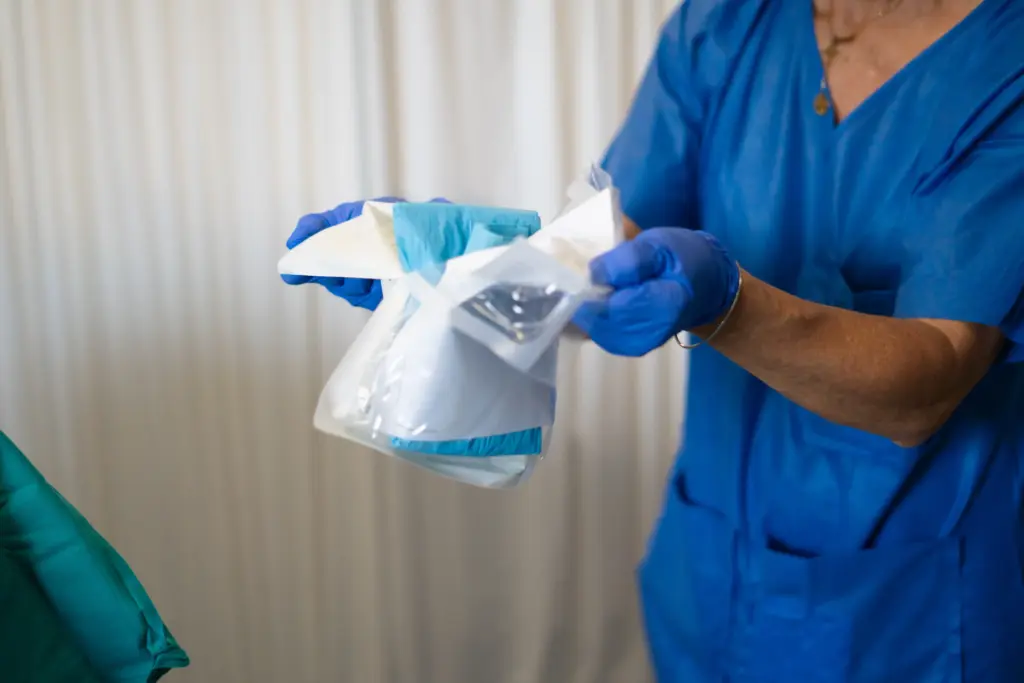
Hospitals rely on sterile, single-use plastic products to reduce the spread of infection and protect patients. These include:
- Syringes
- IV bags
- Blood bags
- Surgical gloves
- Catheters
- Protective equipment
- Sterile packaging for medical instruments
Many of these products are designed for one-time use because reusing them could increase the risk of infection. Plastic also allows medical devices to remain lightweight, durable, and cost-effective.
While researchers continue to develop more sustainable materials for healthcare, replacing plastic across the entire medical sector is not yet practical.
Plastic helps keep food safe
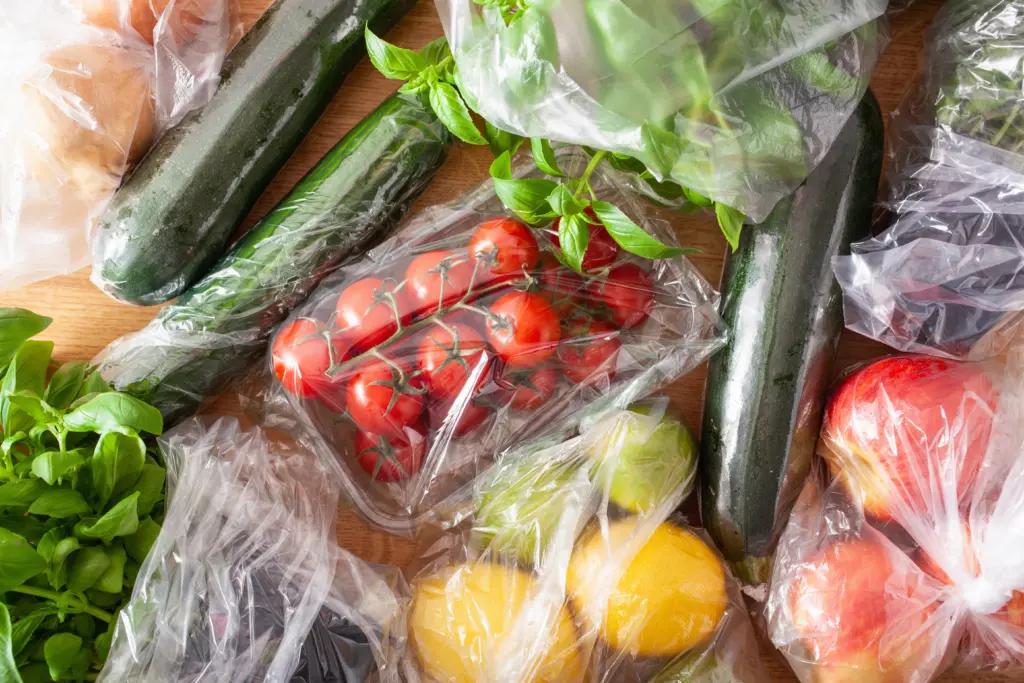
Plastic packaging often receives criticism, but it also plays an important role in food safety. Packaging helps protect food from contamination, extend shelf life, reduce spoilage during transport, preserve freshness, and prevent food waste. This is particularly important for products such as meat, dairy, seafood, and fresh produce.
At first glance, using less packaging may seem like the greener choice. However, if food spoils before it reaches consumers, the environmental impact can be even greater. The United Nations estimates that 1.05 billion tonnes of food are wasted every year, contributing between 8% and 10% of global greenhouse gas emissions.3
In some situations, a small amount of plastic packaging can prevent much larger environmental losses.
The challenge is ensuring that packaging is designed only where it adds genuine value, rather than being used excessively.

Transportation uses plastic to reduce emissions
Many people are surprised to learn that plastic also helps reduce carbon emissions.
Modern cars, buses, trains, bicycles, and aircraft use plastic components because they are lighter than traditional materials such as steel or glass.
Reducing a vehicle’s weight improves fuel efficiency and lowers emissions over its lifetime.
Electric vehicles also rely heavily on plastics in battery systems, insulation, wiring, and lightweight body components that help maximise driving range.
Replacing all of these materials overnight would likely increase energy use rather than reduce it.
Renewable energy also relies on plastic
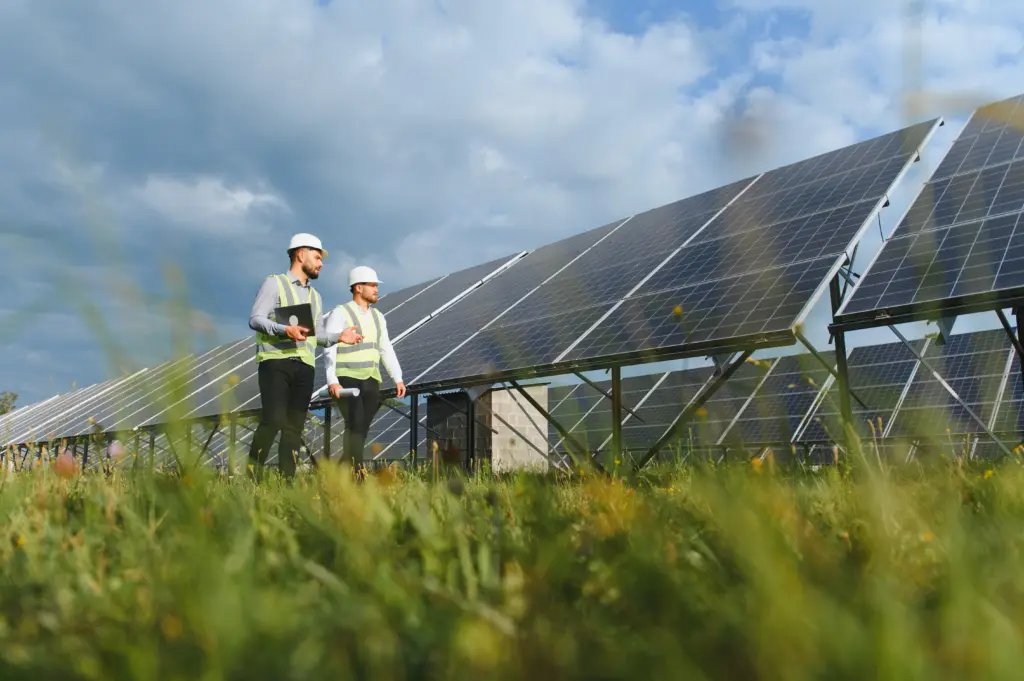
Plastic is also helping power the transition to cleaner energy.
It is used in solar panels, wind turbine blades, electrical insulation, battery storage systems, and charging infrastructure for electric vehicles.
These applications demonstrate that plastic can be part of the solution to climate change when it is used thoughtfully and managed responsibly.
Where plastic reduction makes the biggest difference
If plastic remains essential in many sectors, where should we focus our efforts?
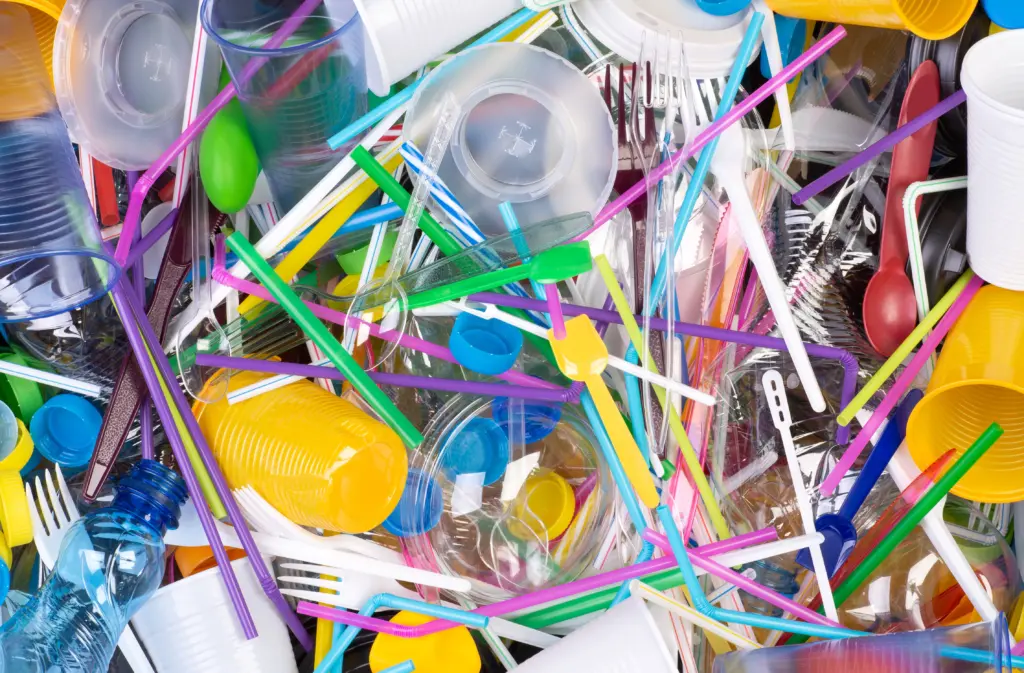
The greatest opportunity lies in reducing unnecessary or avoidable plastic use, particularly products that are used for only a few minutes but remain in the environment for decades.
Products like disposable cutlery, plastic stirrers, excess shopping bags, overpackaged consumer goods, and promotional giveaway items often provide limited value while contributing disproportionately to plastic waste.
Likewise, businesses have an opportunity to rethink packaging design. Many products are still wrapped in multiple layers of plastic when simpler solutions could provide the same level of protection.
Reducing unnecessary material not only helps the environment but can also lower production costs and improve resource efficiency.
Flexible plastics present a bigger challenge
Not all plastics are created equal.
While rigid plastics like bottles and containers are often easier to collect and recycle, flexible plastics such as sachets, snack wrappers, and multilayer packaging are much more difficult to recover.
These materials are lightweight and often made from several layers of different plastics bonded together. This design helps protect food and other products, but it also makes recycling more complex. In many parts of the world, collection and recycling infrastructure has not yet caught up with the growing use of flexible packaging.
Packaging accounts for around 40% of global plastic demand,4 making it the largest use of plastics worldwide. Much of this packaging is designed for short-term use, meaning it quickly becomes waste if it is not collected and managed properly.
That doesn’t mean flexible plastics should disappear altogether. In many cases, they offer benefits such as preserving food, reducing transportation emissions through lightweight packaging, and improving affordability.
The opportunity lies in redesigning these materials, expanding collection systems, investing in recycling technologies, and creating policies that encourage businesses to take responsibility for the packaging they introduce into the market.
Are bioplastics the answer?
When people ask, “Can we live without plastic?”, bioplastics often come up as a possible replacement.
While they are an exciting area of innovation, they are not a one-size-fits-all solution.
Some bioplastics are made from renewable materials such as corn or sugarcane, while others are designed to break down under specific industrial composting conditions. However, many require specialised facilities that are not widely available, and some behave much like conventional plastics if they end up in nature or landfill.
Alternative materials can play an important role in reducing environmental impacts, but they should be evaluated based on their full life cycle, including how they are produced, used, and disposed of.5
In other words, replacing one material with another does not automatically solve the problem. Better product design, responsible consumption, and effective waste management remain essential.
Plastic reduction alone Isn’t enough
Reducing unnecessary plastic use is an important goal, but it is only one piece of the puzzle.
Even if companies eliminate excess packaging and consumers choose reusable products whenever possible, millions of tonnes of plastic will continue to be used in healthcare, food systems, transportation, and other essential industries.
That’s why we also need systems that keep valuable materials in circulation instead of allowing them to become pollution.
This includes:
- Designing products that use less material and are easier to recycle.
- Expanding collection and recycling infrastructure.
- Investing in technologies that recover difficult-to-recycle plastics.
- Supporting the people and communities who collect recyclable materials.
- Encouraging consumers to dispose of waste responsibly.
Together, these efforts move us closer to a circular economy, where materials are used for as long as possible rather than becoming waste after a single use.
The role of extended producer responsibility
Governments around the world are increasingly adopting Extended Producer Responsibility (EPR) policies to help address plastic pollution.
EPR requires producers to take greater responsibility for the packaging they place on the market. Depending on the country, this may include funding collection systems, supporting recycling programmes, redesigning packaging, or meeting recovery targets.
Rather than placing the burden solely on consumers or local governments, EPR recognises that businesses also have a role to play in managing the full life cycle of their products.
When implemented effectively, EPR can encourage innovation, improve recycling rates, and create stronger markets for recycled materials.
However, success depends on collaboration. Governments, businesses, waste management providers, communities, and consumers all have important roles in building systems that work.
The future isn’t plastic-free. It’s smarter.
The future of plastic will likely look very different from today.
Around the world, businesses are developing packaging that uses less material, incorporates recycled content, or is designed for reuse. Refill systems are expanding in some sectors, while new technologies are improving the recovery of difficult-to-recycle plastics.
At the same time, digital tools are helping companies track materials more accurately and demonstrate progress toward their sustainability goals.
These innovations are encouraging, but they are most effective when combined with stronger collection systems and greater public participation.
Plastic itself is a valuable resource. The real challenge is preventing it from becoming waste.
A better question for the future
So, can we live without plastic?
For now, the answer is probably not.
Plastic continues to protect patients in hospitals, reduce food waste, improve transportation efficiency, and support renewable energy technologies. In many of these applications, replacing plastic today would be difficult or could even create greater environmental impacts.
But that doesn’t mean we should accept plastic pollution as inevitable.
The greatest opportunity lies in reducing unnecessary plastic use, designing better products, improving collection and recycling systems, and ensuring that producers take responsibility for the materials they introduce into the market.
Every piece of plastic that stays in circulation is one less piece that can end up in rivers, coastlines, and communities.
Creating that future requires action from everyone. Consumers can make thoughtful purchasing decisions. Businesses can rethink packaging and invest in circular solutions. Governments can strengthen policies that encourage responsible production and recovery.
At Plastic Bank, we believe the goal isn’t to eliminate every piece of plastic. It’s to stop plastic from becoming pollution by creating collection systems that value discarded plastic, support communities, and keep materials in circulation. Because when plastic has value, it doesn’t belong in nature.
That’s a future worth working towards.