Bioplastics and EPR in the Philippines: Key challenges for businesses
Written by Audrey Trinidad6 May 20266-minute read
Photo by John Cameron on Unsplash
Share
Copy link
Bioplastics sound like the kind of solution everyone’s been waiting for.
They’re plant-based, compostable, and easy to market. On paper, they tick all the right boxes.
But once you step outside the packaging lab and into the real world, things start to unravel. Inside the actual waste systems, what matters isn’t what the material is designed to do. It’s what actually happens after use.
Right now, that’s where bioplastics run into trouble.
Change a life.
Without quitting your day job.
Juhari gathers plastic. You make it worth something. Join free, and the first 50 bottles are on us.
What are bioplastics and why are they gaining popularity?
“Bioplastics” is one of those terms that sounds straightforward, but actually isn’t.
It can refer to plastics made from renewable sources like corn or sugarcane, which are known as bio-based plastics. It can also describe plastics designed to break down under certain conditions, referred to as biodegradable plastics. In other cases, the term is used for compostable plastics, which require specific environments to fully decompose.
Some materials fall into all three categories, while many do not. That nuance often gets lost, especially when products are marketed as simply “eco-friendly” or “planet-safe.”
Interest in bioplastics is growing globally, with more consumers looking for sustainable packaging, increasing corporate ESG commitments, pressure to reduce single use plastics, and the implementation of the Philippine Extended Producer Responsibility (EPR) Law (RA 11898). In 2024, the Philippine Board of Investments announced plans to develop a national bioplastics industry roadmap to support sustainable manufacturing and attract investment into the sector.1
For businesses under pressure to improve sustainability, bioplastics feel like a clear next step. They offer a visible change, a simple story, and a way to signal progress. But materials don’t exist in isolation, they move through systems.
That’s where things get complicated.
How EPR in the Philippines changes the packaging conversation
With the rollout of EPR in the Philippines, companies are now accountable for the entire lifecycle of their plastic packaging, not just its design or material composition.
This shift is significant because it changes the core question. Instead of asking, “What is this made of?” businesses now need to ask, “What happens to this after it’s used?”
Under EPR, it is no longer enough to switch to a material that could be compostable or biodegradable. Companies must be able to demonstrate that their packaging is actually being collected, recovered, and managed properly.
In many cases, existing waste systems are not equipped to do that for bioplastics.
Photo by Nathan Cima on Unsplash
Challenge #1: Waste systems are not designed for bioplastics
Most waste systems in the Philippines were not built with bioplastics in mind.
Segregation at the source is inconsistent, and collection systems vary widely from one area to another. Downstream facilities often lack the tools or technology to distinguish between conventional plastics and newer alternatives. According to studies, poor waste management infrastructure is one of the primary drivers of plastic leakage into the environment.2
To a sorting facility, a compostable cup can look identical to a regular plastic cup.
As a result, bioplastics are often treated as residual waste. In other cases, they contaminate recycling streams that depend on clean and consistent material types. In both scenarios, the intended environmental benefit begins to break down long before the material itself does.
Challenge #2: Limited composting infrastructure in the Philippines
Many compostable plastics are designed to break down in industrial composting facilities, not in backyard compost bins and certainly not in landfills.
Industrial composting facilities rely on controlled conditions, including specific temperatures, humidity levels, and microbial activity. However, access to industrial composting in the Philippines is extremely limited.3
Without the proper infrastructure, most compostable plastics follow the same path as other waste. They are sent to landfills, disposed of in open dumps, or leak into the environment. In these conditions, they may not break down any faster than conventional plastics. This means that while the material is technically compostable, the system required to make that claim meaningful does not exist at scale.
Challenge #3: Contamination of recycling streams
Recycling systems depend on consistency to function effectively.
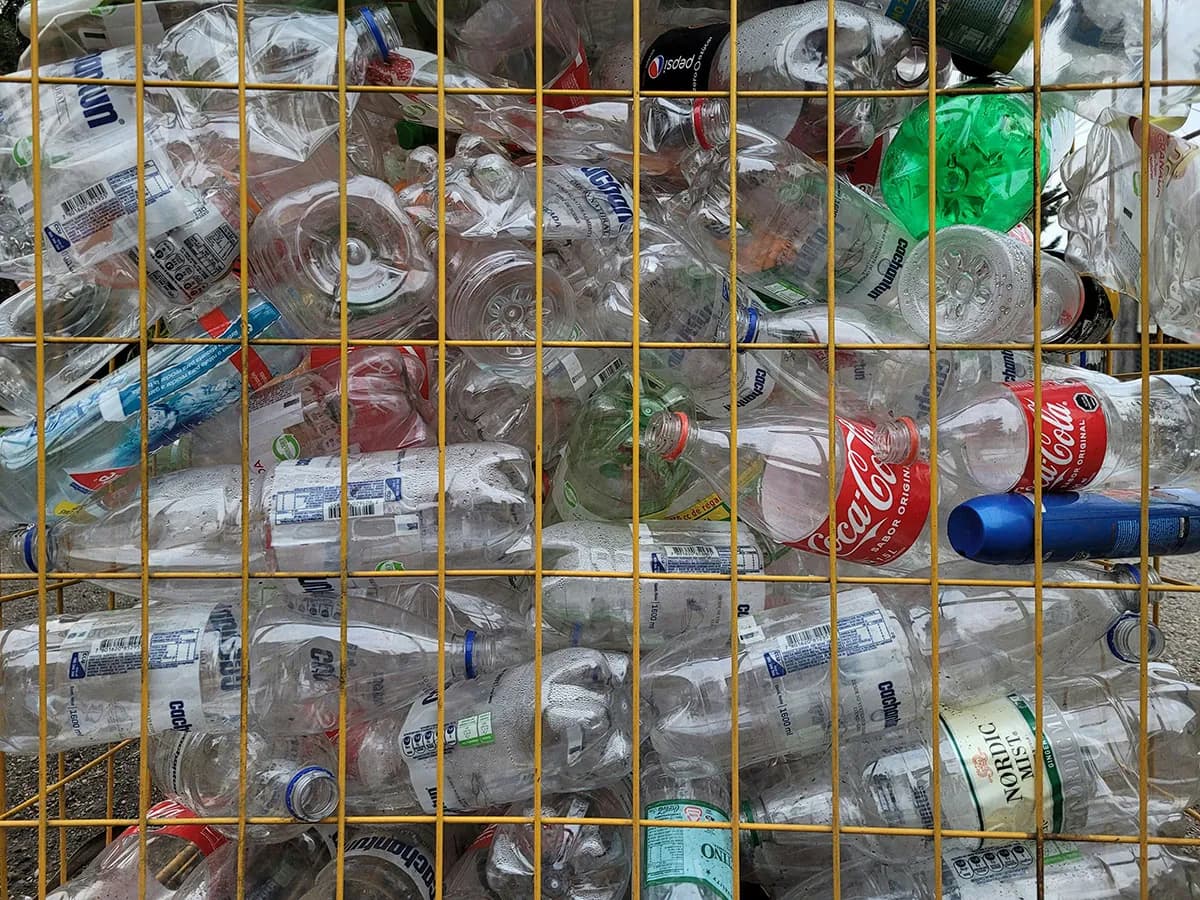
Materials such as PET bottles or HDPE containers are valuable because they can be easily identified, sorted, and processed. Bioplastics introduce uncertainty into this system.
When bioplastics are mixed into recycling streams, they can weaken the quality of recycled materials, require additional sorting that many facilities cannot support, or even cause entire batches to be rejected.
For collectors and recyclers who rely on predictable material value, this creates additional risk without delivering clear benefits.
In a system that already faces efficiency challenges, even small disruptions can have significant consequences.
Photo by Bernd 📷 Dittrich on Unsplash
Challenge #4: Consumer confusion and disposal behavior
Even if systems were ready, proper disposal still depends on consumer understanding.
At the moment, labeling around bioplastics is often unclear and inconsistent. Terms like “biodegradable,” “compostable,” and “plant-based” are frequently used interchangeably, even though they mean very different things.
Without consistent labeling, packaging intended for composting may end up in recycling bins, while items that require industrial processing are thrown into general waste. In some cases, these materials are even discarded into nature with the assumption that they will simply break down.
There is also a growing perception that certain plastics are now “guilt-free.” However, disposal practices still matter. Systems still matter. The confusion at the consumer level only widens the gap between intention and actual impact.
Challenge #5: The risk of misleading sustainability claims
For brands, bioplastics offer a compelling and easy-to-communicate narrative. They are visible, tangible, and well-suited for marketing. However, without the systems to support them, these claims can become misleading.
A package labeled “compostable” that ultimately ends up in a landfill does not deliver on its promise. In some cases, it may even contribute to misinformation. As scrutiny around greenwashing increases, businesses face real risks, including reputational damage, regulatory attention, and loss of consumer trust.
In this environment, good intentions are not enough. Claims must hold up in real-world conditions, not just ideal scenarios.
Why bioplastics alone won’t meet EPR requirements
This is where the limitations become clear. Under the EPR law, obliged enterprises are required to cover increasing percentages of their plastic packaging footprint. The law focuses on making sure that packaging is collected, that waste is verifiably recovered, and that systems function effectively at scale, not merely switching to alternative materials.
Bioplastics do not automatically meet these requirements.
In fact, without the appropriate infrastructure, they can make compliance more complex by introducing new variables into already strained systems. For businesses, this means shifting focus. Any innovation at the product level mst also align with systems that can actually support recovery and accountability.
What businesses should do instead
Bioplastics cannot solve the plastic pollution on their own, but they still have a role to play.
What is more effective, particularly in the Philippine context, is a systems-first approach. This means strengthening collection networks, improving segregation practices, and ensuring that materials are actually recovered and reintroduced into the value chain.
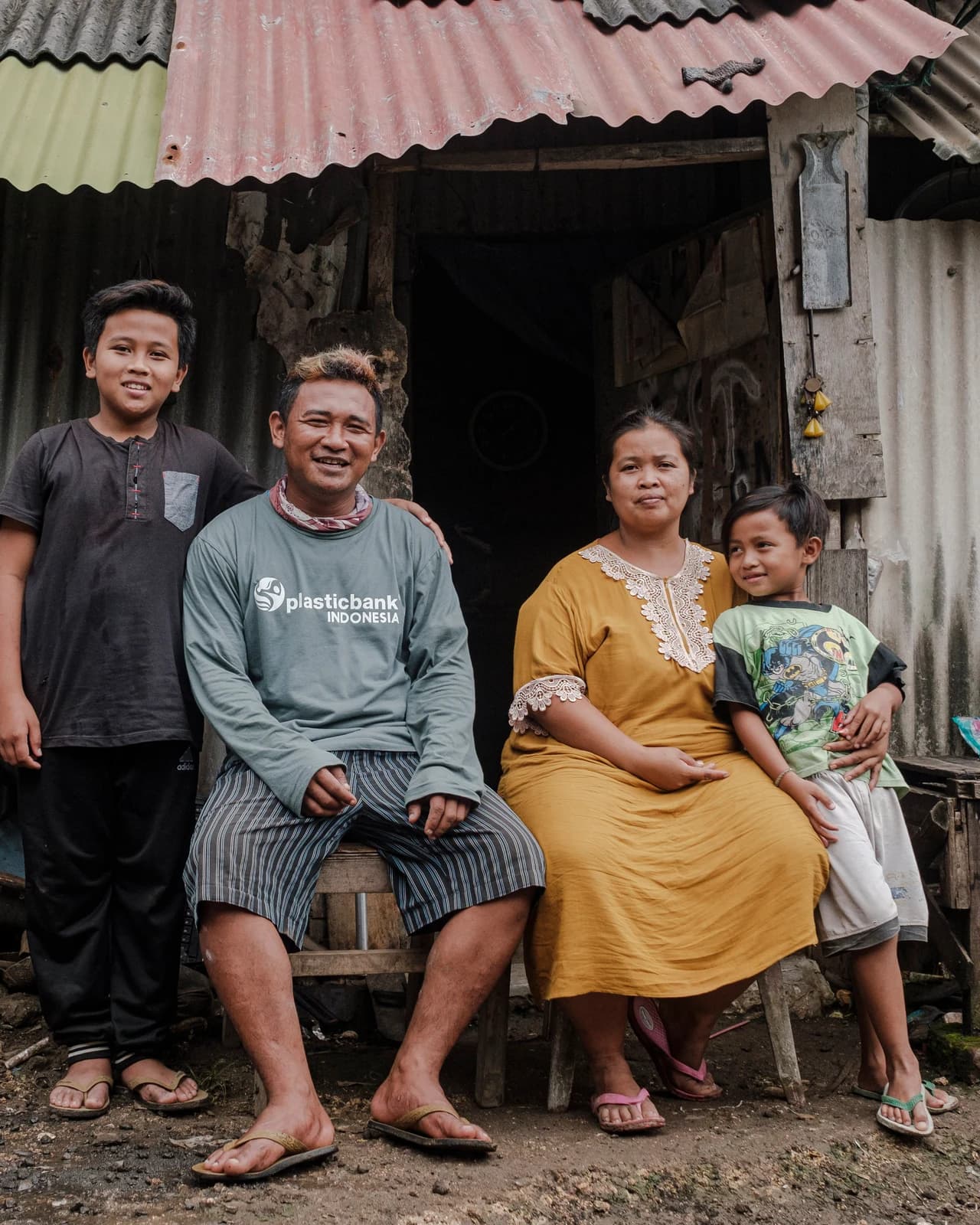
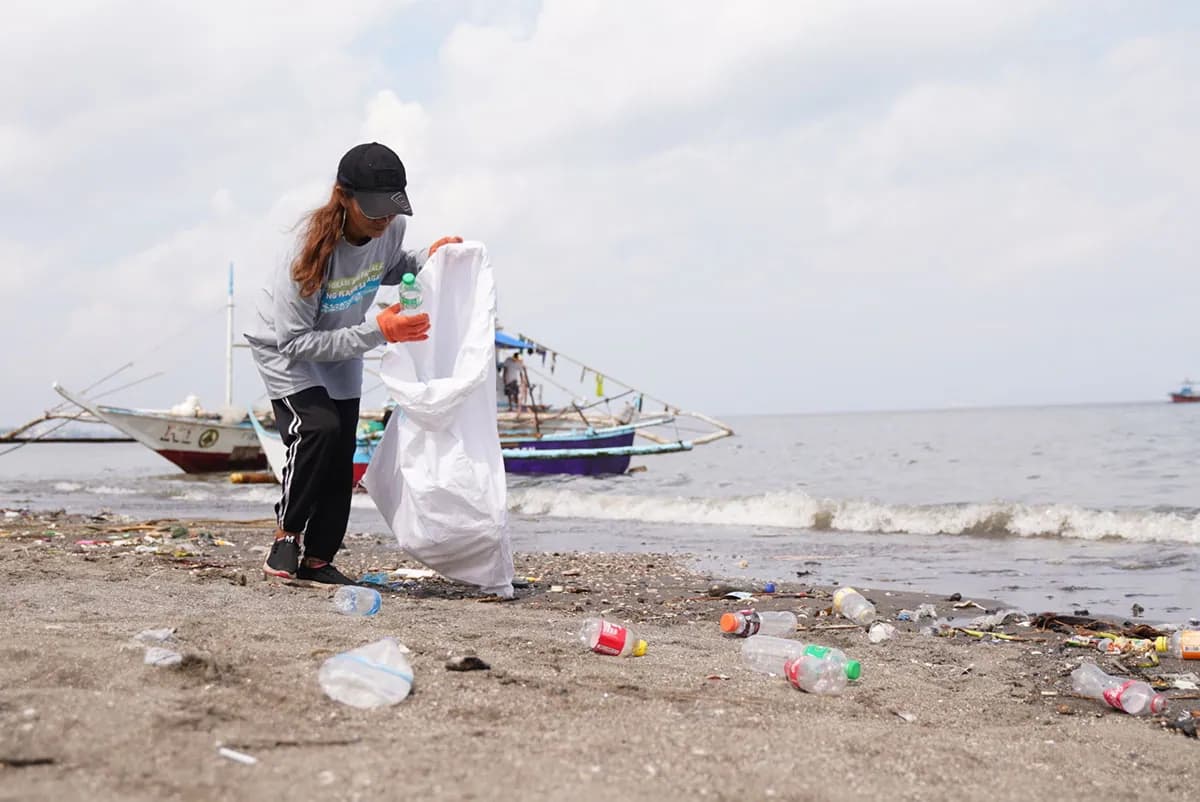
It also means recognizing the critical role of communities, especially collectors who are already recovering plastic from the environment.
Rethinking packaging: From materials to systems
Bioplastics represent an important shift in how businesses think about packaging.
But sustainability does not end with material innovation. If anything, that is just the beginning. The real challenge is to look beyond materials and ask a more important question: What system ensures this packaging does not become waste?
Until that question is answered, even the most promising materials will continue to fall short.
In a country where waste systems are still evolving, the companies that lead will not simply be the ones that switch materials.
They will be the ones that help build systems that actually work.
Recover your first 50 bottles.
Join the global bottle deposit program and start with:
✓50 bottles collected from one of our communities
✓Community updates delivered directly to your inbox
Have you ever wondered where all your plastic packaging goes? The fabric conditioner you used last week, the bottled water you thoughtlessly threw in the garbage, or the countless shampoo sachets you have used in the past month – do you know where all of these go?
Extended Producer Responsibility (EPR) is more than a regulatory checkbox—it’s a strategic framework that holds producers accountable for the full life cycle of the products and packaging they introduce into the market.
The Philippines is dealing with a serious plastic waste problem—about 2.7 million metric tons of plastic are thrown away each year, and a lot of it ends up in our oceans.
Photo by Markus Spiske on Unsplash Our planet is drowning in plastic waste. Discarded single-use plastic is polluting beyond our communities, reaching even the most remote locations in Antarctica1 and the high peak of Mt. Everest2. What’s worse is that plastic pollution now affects human blood. Microplastics appeared in blood samples of 17 out of […]