Loading...

The EU Packaging rules are changing the way businesses think about packaging. Instead of focusing only on what happens after packaging becomes waste, the European Union is introducing requirements that consider the entire life cycle of packaging—from design and production to collection and recycling. The goal is to keep valuable materials in use for longer and reduce the amount of plastic that ends up in the environment.
While these rules apply in Europe, their impact will reach far beyond the region. Companies that export to the EU, multinational brands, and businesses with global supply chains will all feel the effects. The new Packaging Waste Regulations are expected to influence packaging standards worldwide, especially for flexible plastic packaging, one of the most widely used but most difficult to recycle type of packaging.

Fuelled by the world's most progressive people.
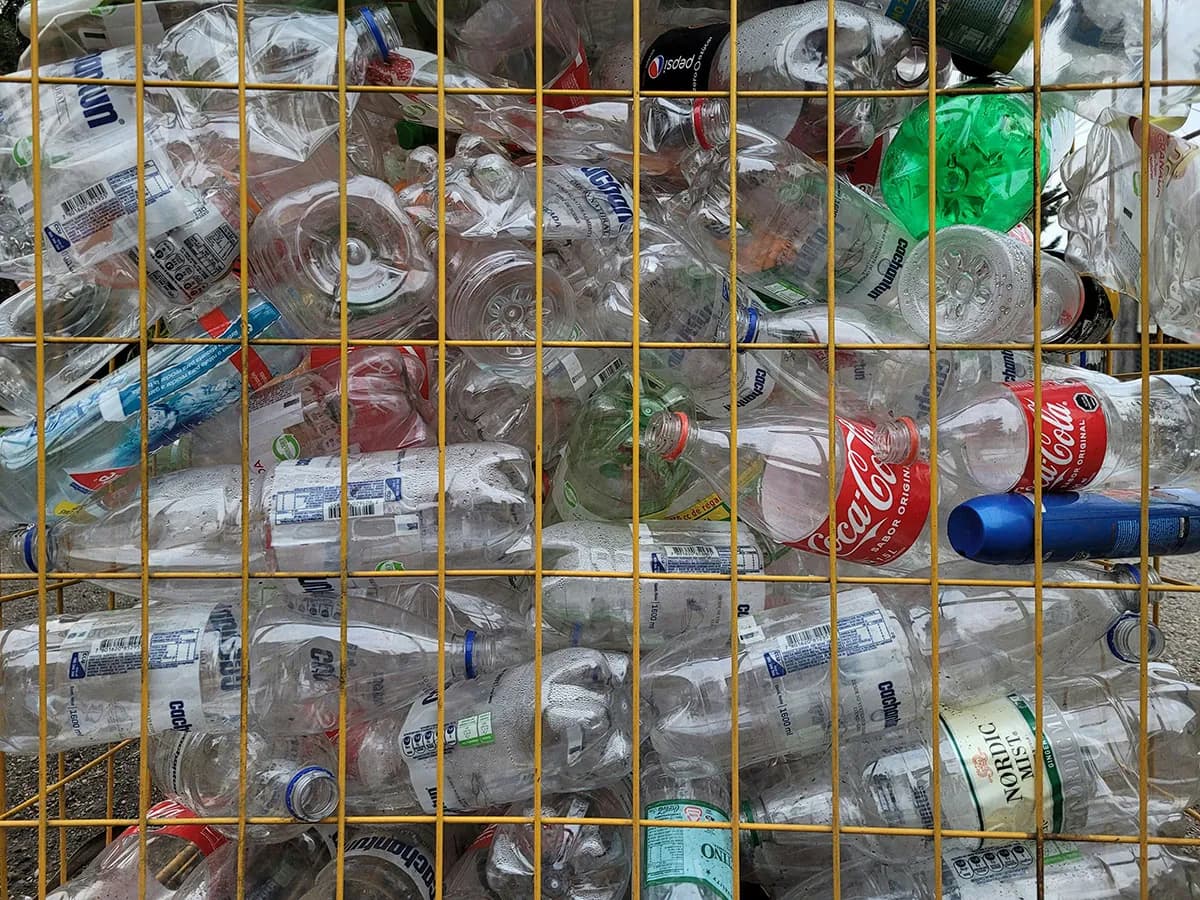
Flexible plastic packaging is everywhere. It includes sachets, pouches, wrappers, films, and shopping bags that protect products, extend shelf life, and reduce transportation costs by using less material than rigid packaging.
These benefits make flexible packaging an important part of modern supply chains. In many cases, it helps reduce food waste by keeping products fresh for longer and lowering the emissions associated with transporting heavier packaging.
However, recycling these materials remains a major challenge.
Many flexible packages combine several layers of different plastics. In some cases, the plastic is combined with aluminium or paper to improve strength and protect the product inside. While this works well during use, it makes recycling much more difficult because the materials are hard to separate.
As a result, much of this packaging is never recycled.
According to the Breaking the Plastic Wave report, flexible monomaterial and multilayer plastics make up about 59% of global plastic production, yet account for only 4% of plastic collected through formal recycling systems. Together, these materials are responsible for around 80% of plastic that leaks into the ocean.1
The EU Packaging rules are part of the Packaging and Packaging Waste Regulation (PPWR), which went into force in February 2025. Most of its requirements begin to apply across EU Member States starting in August 2026, with additional measures phased in through 2030 and 2035.2
The regulation replaces a patchwork of national rules with one harmonised framework for packaging across the European Union.
Its objectives are to:
One of the biggest changes is a shift in thinking. Instead of asking whether packaging is technically recyclable, the regulation asks whether it can actually be collected, sorted, and recycled through existing systems.
For businesses, this means designing packaging that works in the real world, not just in a laboratory.

Several new requirements directly affect flexible plastic packaging.
Many packaging formats have traditionally been designed with product performance in mind, while recyclability came later.
The PPWR changes this approach. Packaging must now be designed so that it can move successfully through collection, sorting, and recycling systems.
For flexible packaging, this often means replacing complex, multi-layer structures with simpler materials that are easier to recycle. Where possible, manufacturers are exploring mono-material designs that improve recycling outcomes.
Beginning in 2030, many plastic packaging applications must contain minimum levels of post-consumer recycled plastic.
This requirement is intended to increase demand for recycled materials and encourage investment in recycling infrastructure.
For businesses, recycled content will become a compliance requirement as well as an important sustainability goal.
By 2035, many packaging formats must demonstrate that they are recycled at scale.
In other words, packaging must not only be recyclable in theory. it must actually be collected, sorted, recycled, and turned into new products through established systems.
This represents a significant step towards a more practical and measurable approach to circularity.
The new regulations are an important step forward, but better packaging design alone will not create a circular economy.
Packaging can only be recycled if it is collected in the first place.
Today, many countries still lack effective systems to collect lightweight films, wrappers, and pouches. These materials are easily lost during collection, often become contaminated with food, and can be difficult for sorting facilities to process.
The recycling industry also faces a limited supply of high-quality recycled plastic that can be used in food and consumer packaging. As demand grows under the new regulations, competition for these materials is expected to increase.
New technologies such as chemical recycling may help recover more difficult materials in the future. However, these technologies still need to prove they can operate efficiently and at scale.
Creating a circular economy for packaging will require investment across the entire value chain, starting from better product design and stronger collection systems to improved recycling infrastructure and stable markets for recycled materials.
Although the PPWR applies within the European Union, its influence is likely to extend well beyond Europe.
Many multinational companies prefer to use the same packaging across multiple markets rather than produce different versions for different regions. As they redesign packaging to meet European requirements, those changes are likely to appear in products sold around the world.
Companies that export products to Europe will also need to comply with the new rules, regardless of where their packaging is manufactured.
At the same time, governments in many countries are strengthening their own Extended Producer Responsibility (EPR) policies and packaging regulations. Europe’s approach often shapes future policy in other regions, making these developments relevant for businesses everywhere.
Preparing now can help organisations stay ahead of future regulatory changes while strengthening their broader sustainability strategies.
The new EU Packaging rules signal a broader shift in how businesses will need to approach packaging.
Companies should begin by reviewing their packaging portfolios to identify materials that may not meet future recyclability requirements. They should also work with suppliers to simplify packaging designs, increase recycled content where possible, and monitor evolving regulations in key export markets.
Most importantly, businesses should recognise that circularity depends on more than packaging design. Supporting effective collection and recycling systems is just as important as improving the packaging itself.
Companies that invest in both areas will be better positioned to meet future regulations while delivering meaningful environmental impact.
The future of flexible plastic packaging depends on more than designing materials that can be recycled. It also depends on ensuring those materials are collected, recovered, and returned to the economy instead of becoming pollution.
Europe’s new packaging rules are raising the bar for what circular packaging should achieve. They encourage businesses to think beyond compliance and consider how packaging performs throughout its entire life cycle.
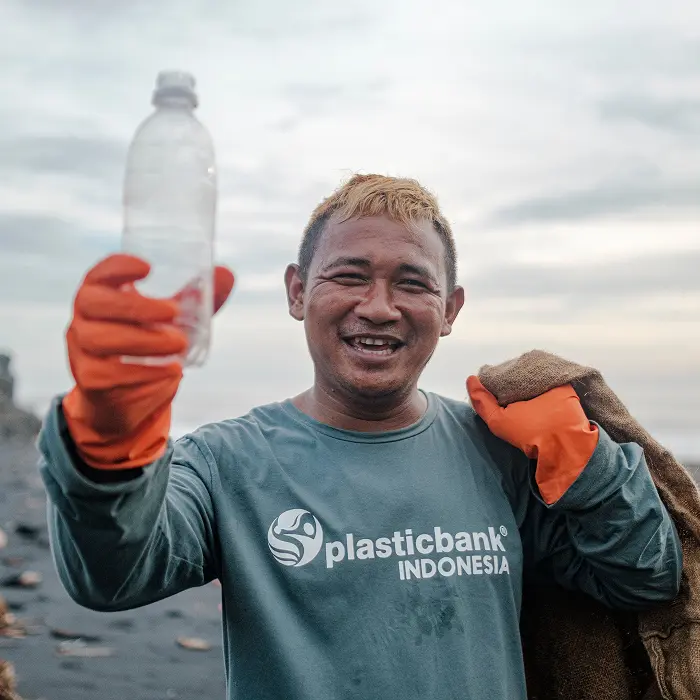
At Plastic Bank, we believe that circularity starts with collection. By empowering collectors with financial incentives to recover plastic before it reaches the environment, we help businesses strengthen material recovery while creating measurable environmental and social impact. As packaging regulations continue to evolve around the world, combining better packaging design with stronger collection systems will be essential to keeping plastic in the economy and out of the environment.
 Traceability and Circular Economy
Have you ever wondered where all your plastic packaging goes? The fabric conditioner you used last week, the bottled water you thoughtlessly threw in the garbage, or the countless shampoo sachets you have used in the past month – do you know where all of these go?
 Purpose and Profit
Extended Producer Responsibility (EPR) is more than a regulatory checkbox—it’s a strategic framework that holds producers accountable for the full life cycle of the products and packaging they introduce into the market.
 Poverty and Social Impact
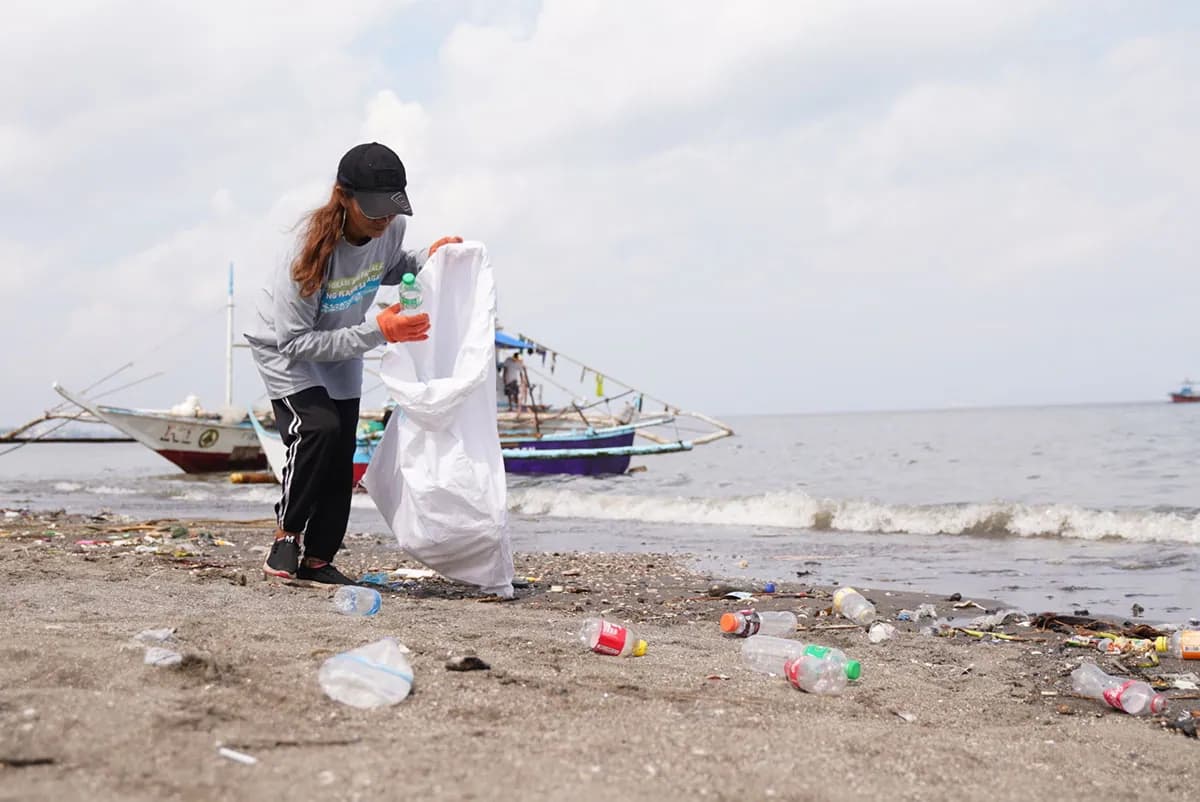
The Philippines is dealing with a serious plastic waste problem—about 2.7 million metric tons of plastic are thrown away each year, and a lot of it ends up in our oceans.
 Traceability and Circular Economy
Photo by Markus Spiske on Unsplash Our planet is drowning in plastic waste. Discarded single-use plastic is polluting beyond our communities, reaching even the most remote locations in Antarctica1 and the high peak of Mt. Everest2. What’s worse is that plastic pollution now affects human blood. Microplastics appeared in blood samples of 17 out of […]