

● July 2025 · Newsletter
Plastic Free July or Plastic Free Nature?
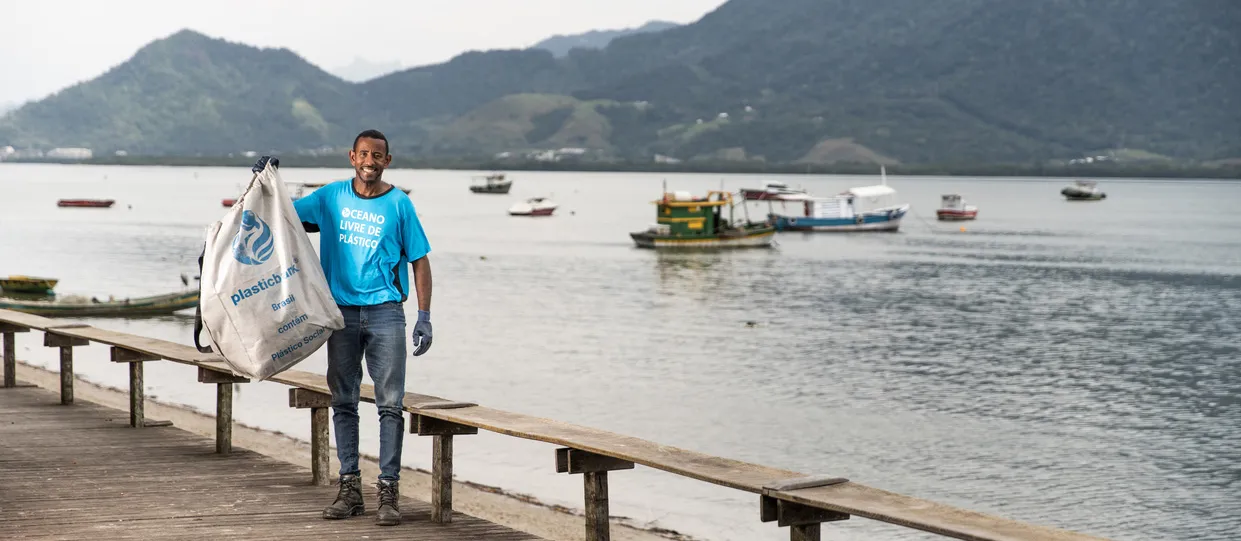
Plastic Free July has become a global movement inspiring over 140 million people across 190+ countries to reduce their single-use plastic*. On average, participants cut 23 kg of plastic waste per person per year - a powerful step toward awareness and behaviour change.
But awareness alone isn’t enough. True impact comes when we pair individual actions with better waste systems, policy reform, and corporate responsibility. Plastic isn’t going away anytime soon. That’s why we must use it wisely, and ensure it never ends up in nature. At Plastic Bank, we go beyond just one month. Our movement is building a world with Plastic Free Nature by empowering collector communities to gather plastic before it pollutes nature and recycling it into value. Together, we can transform plastic into prosperity, every day of the year.
*Source: plasticfreejuly.org
Join us and create a Plastic Free Nature

Our collective impact
165,617,323 kg of plastic
have been gathered by over 59,000 collectors.*

That’s like the weight of over 27,000 elephants; except that it's plastic choking our planet, not roaming the savannah!**
*Data as of July 23, 2025
**The average adult African elephant weighs about 6,000 kg².
Plastic Bank in the news
Our Egypt communities got a spotlight in the Guardian
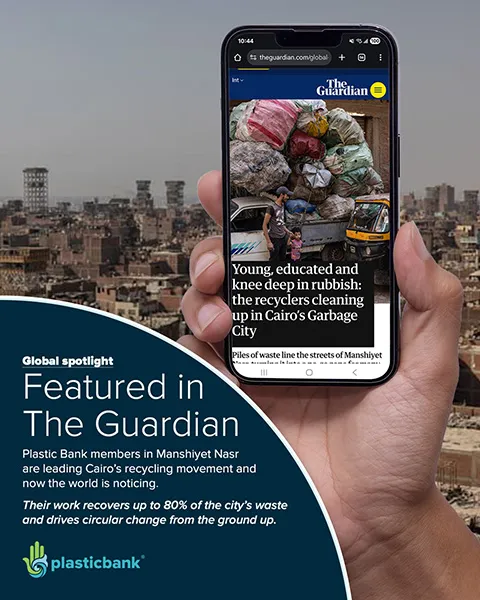
Plastic Bank communities in Egypt are making headlines - featured in The Guardian for leading Cairo’s recycling movement. In Manshiyet Nasr, plastic collectors recover up to 80% of the city’s waste. Our branch owners like Irini recover over 130 kg of plastic daily, turning waste into income, education, and a cleaner neighbourhood.
With over 5 million tons of plastic waste generated in Egypt each year, their work is both crucial and growing. Together with partners like Ocean Bottle, we’re scaling impact and showing the world what dignity in action truly looks like. Read on to see how local communities are solving global problems.
Blog post:
Plastic Free July: 25 ways to reduce plastic waste in everyday life
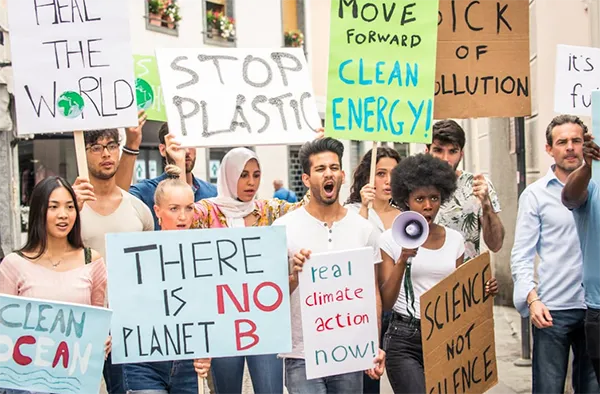
Plastic pollution is growing relentlessly as waste management and recycling fall short. The world is now producing twice as much plastic waste as it did twenty years ago, yet only 9% is successfully recycled. Most of it ends up buried, burned, or leaking into waterways, contributing to the growing plastic waste in nature.
Each person’s daily plastic footprint - single-use bags, bottled water, packaging - may feel insignificant, but collectively it’s staggering. Read our blog to discover 25 practical eco swaps to reduce your plastic footprint.
Collector highlight
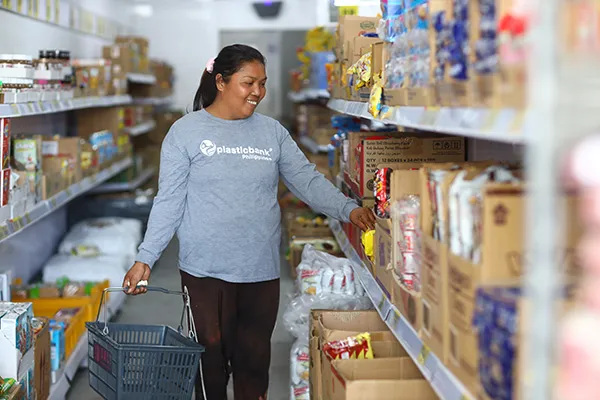
Meet Edna: A collector and proud mother of five
Edna Ablazo is a dedicated collector from Cabuyao, Laguna, in the Philippines. As a mother of five, she collected plastic bottles in her neighbourhood to help provide for her family. But with limited income, she often worried about making ends meet.
Since joining Plastic Bank, some of that burden has been lifted. Through our app, Edna earns a bonus on top of the market value for the plastic she exchanges. She also receives grocery vouchers that provide for essentials like rice, cooking oil, and canned food for her family. With this added stability, she feels more hopeful about the future.
Thanks to your support, collectors like Edna and her family can build a better life. 💙

July observances
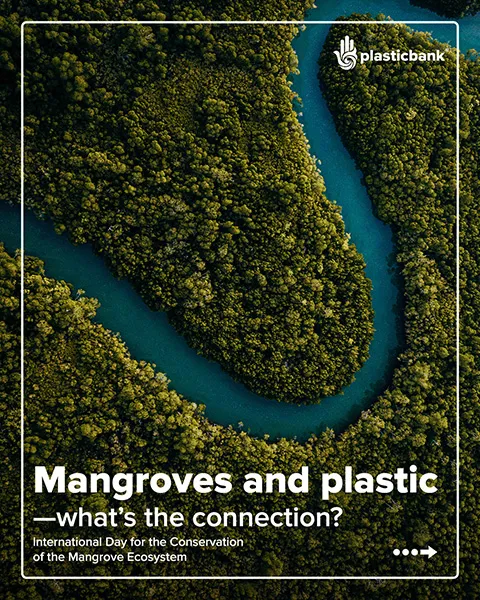
This July, we marked several powerful global observances: Plastic Free July, International Day for the Conservation of the Mangrove Ecosystem (July 26), and World Nature Conservation Day (July 28).
Each one serves as a reminder that our planet is under threat - especially from plastic pollution - and it is our shared responsibility to protect the only home we have.
This is the very heart of our mission at Plastic Bank: prosperity for the people and the planet. Join us in transforming plastic waste into worth and in creating a cleaner and better world for future generations.
Good news from our social media
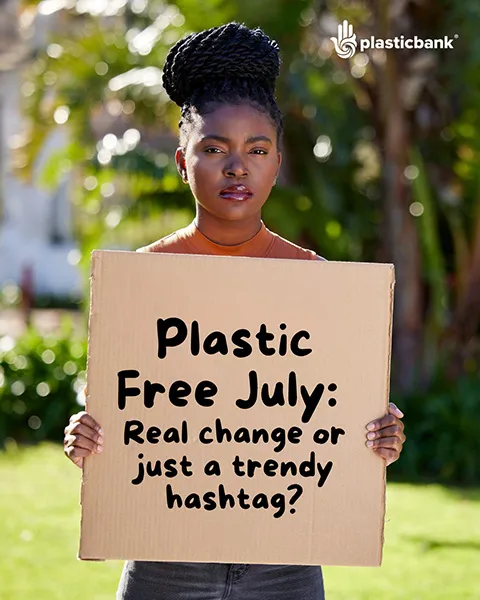
Plastic Free July is a powerful campaign that often trends on social media - but does it drive real impact, or is it just another hashtag? Find out to uncover what’s fact, what’s fluff, and why your actions still matter.
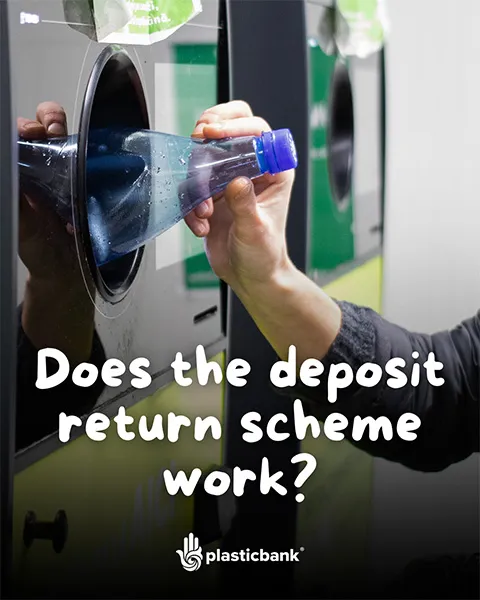
What if your empty bottle was worth something? That’s the idea behind a Deposit Return Scheme: you pay a small deposit when you buy a drink, and get it back when you return the empty bottle or can. Simple, smart, and sustainable. ♻️
But does it actually work? And which countries are leading the way in making it a success?
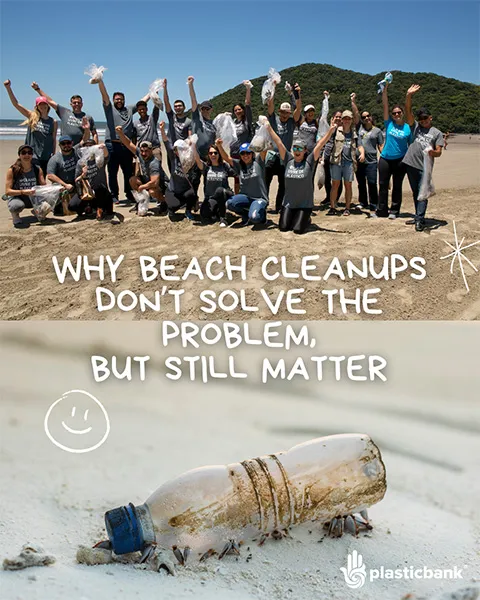
Cleaning the beach won’t solve the plastic crisis but it’s a powerful start. Every bottle picked up, every piece removed, is one less threat to our ocean and marine life.
It’s not the whole solution, but it’s a meaningful step and every step counts. Learn why beach cleanups matter and how you can go beyond to create even greater impact.
Follow our social media channels for your daily good news, inspiring stories and the latest updates from Plastic Bank communities. Check out our top-performing content from July below.