Consumption culture and plastic waste: The system that tells us to buy our worth
Written by Audrey Trinidad19 Feb 20264-minute read
Photo by Vitaly Gariev on Unsplash
Share
Copy link
We are living in a system that tells us over and over: You are what you buy. You are what you wear. You are what you upgrade.
Whether it is a new phone, a new wardrobe, or a new aesthetic, every trend cycle or limited release reinforces the same message: more equals better.
But the environmental cost tells a different story.
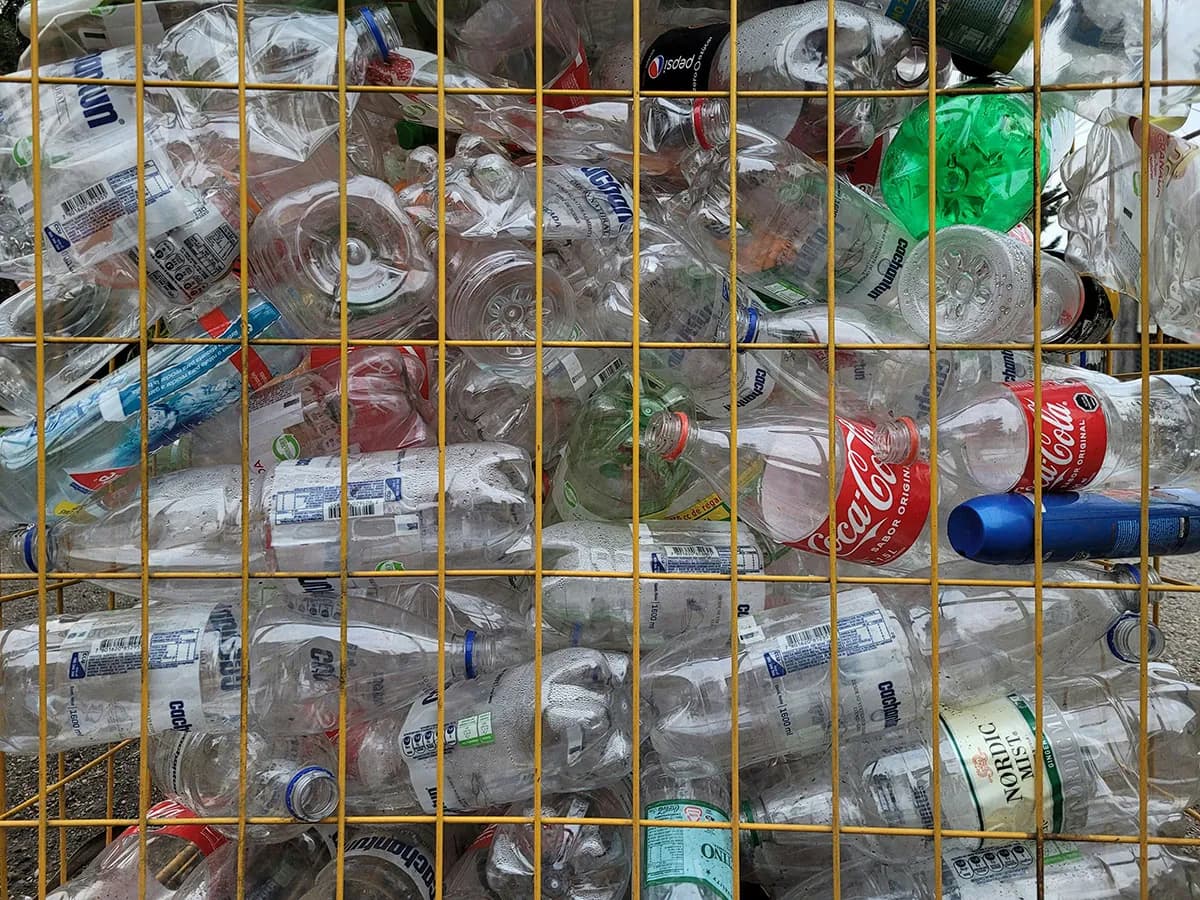
The world produces more than 430 million tonnes of plastic annually, and around two-thirds becomes waste after a short use period1, according to the United Nations Environment Programme (UNEP). Much of it is used for minutes but persists for centuries.
What feels like convenience today turns into long-term pollution tomorrow.
Photo by Claudio Schwarz on Unsplash
Change a life.
Without quitting your day job.
Juhari gathers plastic. You make it worth something. Join free, and the first 50 bottles are on us.
How consumption culture drives plastic waste
The link between overconsumption and plastic pollution is not accidental. It is systemic.
The modern “fast consumption economy” relies on:
Planned obsolescence
Short product life cycles
Excessive packaging
Instant delivery expectations
Algorithm-driven impulse buying
Social validation through material ownership
Plastic thrives in this system because it is inexpensive, durable, and adaptable. But those same qualities make it environmentally persistent. It results in more single-use plastics, more pollution on land and oceans, and more pressure on waste systems.
Photo by freestocks on Unsplash
The psychological engine behind overconsumption
The impact of consumerism on the environment starts with identity.
Consumption culture teaches us that success is visible, relevance must be updated, and confidence can be purchased.
Social media accelerates this cycle. What used to be seasonal trends now shift weekly. The “new” replaces the “functional.” Packaging becomes part of the aesthetic and unboxing becomes part of the content. Organisation for Economic Co-operation and Development (OECD), global plastic waste more than doubled between 2000 and 2019, reaching 353 million tonnes, with only about 9% recycled.2
But while the emotional satisfaction of constant buying is temporary, plastic waste is not.
The plastic waste crisis is a systems issue
The scale of the plastic waste crisis highlights the urgency of systemic change. According to the World Bank, global waste generation is expected to increase by 70% by 2050 if current patterns continue.3
In many developing economies, infrastructure cannot keep pace with production volumes. Informal and community-based collectors often become the backbone of local waste recovery yet they are rarely integrated into formal systems.
Pollution is not caused by one product or one person. Instead, it is the outcome of a system that is optimized for consumption without accountability.
Collectors Romany and Randa sort through their plastic collection in Egypt
The hidden human side of plastic waste
Behind every discarded bottle or sachet is a human story.
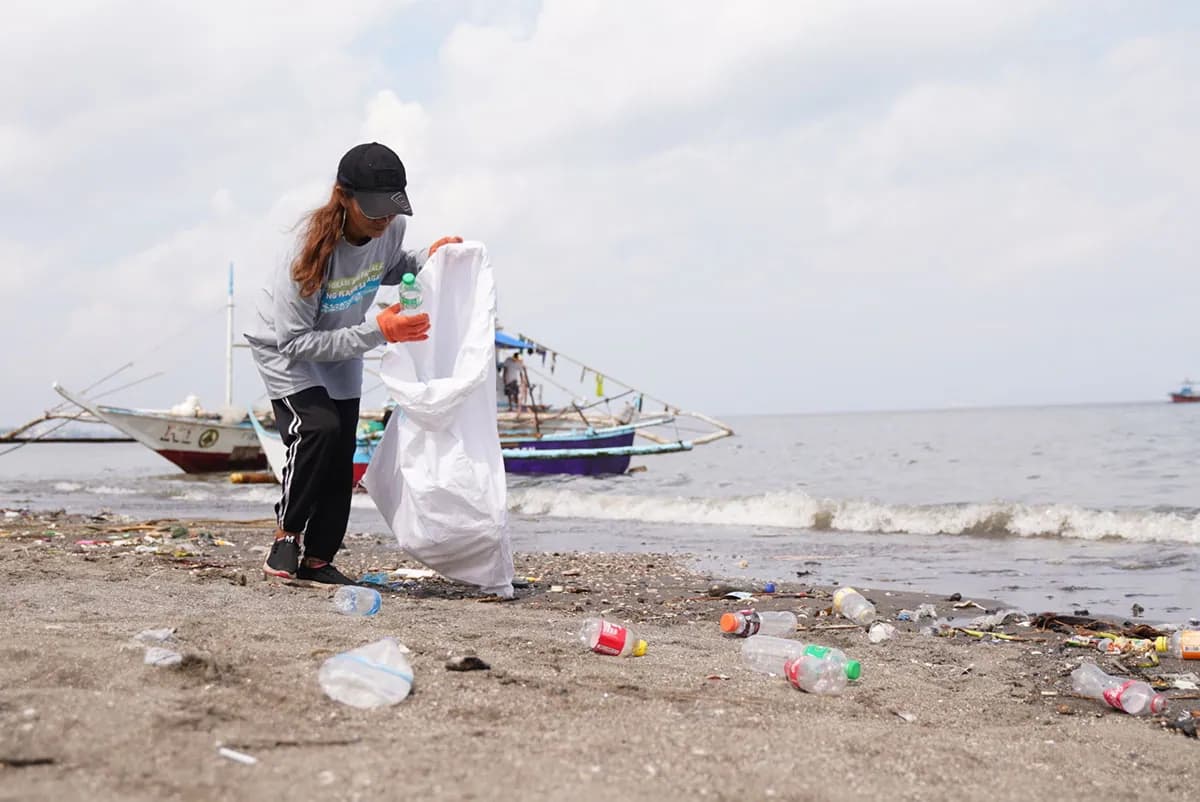
In many parts of the world, waste collectors are the backbone of local recovery systems. They retrieve plastic from streets, waterways, and landfills, preventing further environmental damage.
Yet they are often overlooked in conversations about sustainability.
When consumption accelerates, waste volumes increase. When waste increases, the burden often falls on vulnerable communities.
This is where a shift in mindset becomes powerful.
From consumption culture vs. contribution culture
If consumption culture asks, “What can I buy next?” Contribution culture asks, “Who can I uplift?”
Organizations like Plastic Bank demonstrate how plastic recovery systems can turn discarded materials into opportunity.
By providing financial incentives for collected plastic, recovery systems can:
Reduce ocean and land pollution
Support income stability
Increase access to social benefits
Restore dignity to essential environmental work
The opposite of overconsumption is not deprivation, it is contribution.
Corporate responsibility for plastic waste
While individual choices matter, systemic change requires corporate leadership.
Companies influence:
Packaging design
Material selection
Product lifespan
Supply chain transparency
Forward-thinking brands are now:
Reducing unnecessary packaging
Designing for recyclability
Supporting verified plastic recovery systems
Reporting measurable environmental impact
Consumers are paying attention. According to research from Nielsen, over 70% of consumers globally say sustainability influences purchasing decisions.4 Brands that align profitability with environmental and social impact build long-term resilience.
Sustainable consumption solutions
Addressing consumption culture and plastic waste requires collective action.
For Individuals
Buy intentionally, not impulsively
Choose durability over disposability
Support brands with transparent sustainability commitments
Reduce single-use plastic where possible
For Businesses
Design products for longevity
Minimize plastic-heavy packaging
Invest in responsible recovery partnerships
Embed sustainability into core strategy
The goal here is not to eliminate consumption. Instead, it is to separate growth from waste.
Redefining worth in a plastic-heavy world
Consumption culture tells us that worth is visible, measurable, and purchasable.
But real impact is restorative.
When plastic is recovered instead of discarded:
Ecosystems are protected
Communities are supported
Supply chains become more circular
Waste becomes opportunity
The future does not need more products, it needs more responsibility for what is produced.
By shifting from buying more to uplifting more, we begin to address consumption culture and plastic waste at its root.
Recover your first 50 bottles.
Join the global bottle deposit program and start with:
✓50 bottles collected from one of our communities
✓Community updates delivered directly to your inbox
Have you ever wondered where all your plastic packaging goes? The fabric conditioner you used last week, the bottled water you thoughtlessly threw in the garbage, or the countless shampoo sachets you have used in the past month – do you know where all of these go?
Extended Producer Responsibility (EPR) is more than a regulatory checkbox—it’s a strategic framework that holds producers accountable for the full life cycle of the products and packaging they introduce into the market.
The Philippines is dealing with a serious plastic waste problem—about 2.7 million metric tons of plastic are thrown away each year, and a lot of it ends up in our oceans.
Photo by Markus Spiske on Unsplash Our planet is drowning in plastic waste. Discarded single-use plastic is polluting beyond our communities, reaching even the most remote locations in Antarctica1 and the high peak of Mt. Everest2. What’s worse is that plastic pollution now affects human blood. Microplastics appeared in blood samples of 17 out of […]
Compliance Reporting and Audit Guidelines for Republic Act No. 11898 or the Extended Producer Responsibility Act of 2022, Department of Environment and Natural Resources, https://apidb.denr.gov.ph/infores/uploads/DAO-2024-04.pdf