Recycling is often presented as a simple choice: use the right bin, separate your waste and do your part. But in reality, making the right choice is not always that simple. A single plastic package may leave someone wondering whether it is recyclable, where it should go, or whether it will actually be recycled after collection. When the answers are unclear, even people who want to do the right thing can get it wrong. This is why a successful a recycling system needs to do more than ask people to recycle. It needs to make recycling clear, convenient and worthwhile.
Join the global bottle deposit program
Fuelled by the world's most progressive people.

Recycling behaviour is shaped by the systems around us
We often talk about recycling as a matter of personal responsibility. And individual action does matter. But behaviour does not happen in isolation.
Think about what happens when someone finishes a drink while they are out. If a clearly labelled recycling bin is nearby, the decision is easy. If there are no bins, the labels are confusing, or the only available option is a general waste bin, the choice becomes harder.
The same applies at home. People may want to segregate their waste, but they may not know which materials are accepted, have limited space for multiple containers, or lack access to regular collection.
This is why improving recycling behaviour cannot simply mean telling people to recycle more. We also need to understand what makes recycling difficult in the first place.
The idea is that when the sustainable choice is easier to understand and easier to access, people are more likely to make it.
Better recycling infrastructure makes better choices possible
Making recycling easier starts with infrastructure.
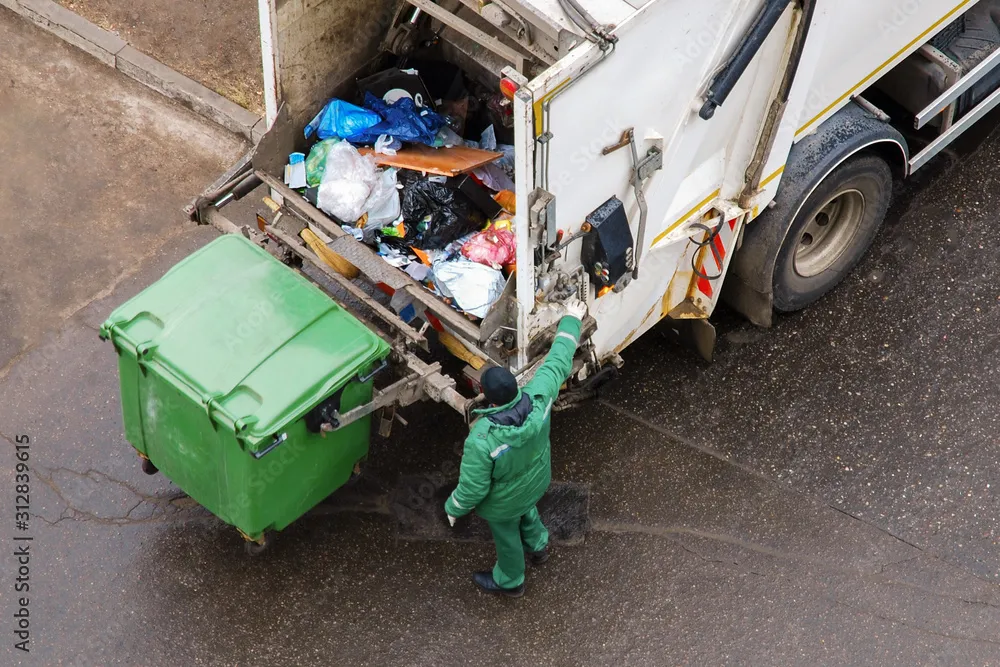
A recycling system is more than a collection of bins. It is a connected network that includes segregation, collection, sorting, aggregation, processing, and recycling. If one part of that chain is missing or unreliable, the entire system can struggle to recover materials effectively.
This can be a significant challenge. The World Bank’s latest report estimates that the world generated 2.56 billion tonnes of municipal waste in 2022. Under a business-as-usual scenario, that figure could reach 3.86 billion tonnes by 2050.1 The report also notes that waste generation is growing faster than the capacity of many local systems to manage it.
This makes investment in recycling infrastructure increasingly important. Aside from building bigger facilities to handle increasing volumes, it also means creating practical collection systems that connect people and materials to those facilities.
A recycling bin is only useful if there is a functioning system behind it.
Clearer choices can reduce confusion
One of the simplest ways to improve recycling is to make instructions easier to understand.
Terms such as “recyclable” can be surprisingly unhelpful when packaging comes in many different forms and local recycling capabilities vary. People may not know whether a particular plastic type is accepted, whether packaging needs to be cleaned, or whether different materials need to be separated.
Clearer labels, consistent signage, and simple visual instructions can help remove this uncertainty. We don’t need to turn every household into recycling experts. We should just give people enough information to make a confident decision in a few seconds.
This matters because recycling is ultimately a chain of decisions. The easier it is to make the right decision at the point of disposal, the better the chance that a material will remain recoverable further along the chain.
Convenience matters more than we think
Even clear instructions will not solve the problem if recycling is inconvenient.
Imagine being told that a plastic container is recyclable but having no accessible recycling bin nearby. Or being asked to separate several types of materials without a collection service that accepts them separately.
These gaps create friction and over time, friction can turn good intentions into inconsistent behaviour.
This is particularly important in communities where waste collection and recycling infrastructure are limited. The World Bank reports that 23% of waste globally goes uncollected, while collection rates in some low-income countries are considerably lower.2
A strong recycling system needs to meet people where they are. Collection points, community programmes, regular collection schedules, and partnerships with local collectors can all help make participation more practical.
Trust is part of the recycling system
There is another factor that is easy to overlook: trust.
People are more likely to participate when they believe their effort matters. If recyclable materials are carefully separated but then appear to be mixed with general waste, people may understandably question whether segregation is worthwhile.
A credible recycling system should provide a clear pathway from collection to recovery. For businesses, this can mean better data on volumes collected and recovered. For communities, it can mean greater confidence that the materials they separate have a genuine destination.
This is especially important as businesses face growing expectations to take responsibility for the packaging they introduce into the market.

Businesses can help make recycling easier
Consumers are not the only ones who shape recycling outcomes. Businesses influence the system long before a product reaches the waste stream.
Packaging design can affect whether something can be recovered. Labelling can influence whether consumers know what to do with it. Strategic partnerships can determine whether materials actually enter a recovery pathway.
This makes Extended Producer Responsibility, or EPR, particularly relevant.3 Rather than placing responsibility for packaging waste entirely on consumers or local governments, EPR creates a framework for producers to take greater responsibility for the post-consumer impacts of their products and packaging.
The broader goal should be to build systems where responsibility is shared across the value chain.
Addressing plastic pollution requires systems change, including reducing unnecessary plastic use, expanding reuse and making recycling markets more viable. The United Nations Environment Programme estimates that only 9% of plastics produced are mechanically recycled today.4 It is a reminder that recycling cannot be solved simply by asking consumers to put more materials in the correct bin.
Incentives can make participation more meaningful
Good infrastructure and clear information are essential, but incentives can also play a role.
Financial incentives can encourage participation while helping create greater value for materials that might otherwise be discarded. They can also support the people who make collection possible, particularly collectors and community-based plastic recycling networks.
The important point is that incentives should complement infrastructure, not compensate for its absence. A well-designed system brings these elements together: people know what to do, have a convenient way to participate, understand that their materials have a destination, and have a reason to keep participating.
That is how recycling can become a habit rather than an occasional effort.
Designing a recycling system around real life
Ultimately, better recycling requires us to rethink the question we ask.
Instead of asking, “Why aren’t people recycling correctly?”, we can ask:
“What is making the right choice difficult?”
Perhaps the instructions are unclear. Perhaps the collection point is too far away. Perhaps the material is difficult to recycle by design. Perhaps people do not trust that separated materials will actually be recovered. It can be a combination of all these things.
Each of these is a systems problem, and each requires a systems solution. Tackling plastic pollution requires coordinated changes across products, packaging, markets, reuse, recycling, and policy, rather than relying on a single intervention.
Making the right choice the easy choice
A truly effective recycling system does not expect people to overcome barriers on their own. Instead, it makes the desired behaviour the natural choice.
That means providing clearer information, more accessible collection, and better recycling infrastructure. It means creating packaging designed with recycling in mind, reliable collection and processing networks, and transparency. And, where appropriate, it means financial incentives that encourage continued participation.
Consumers have a role to play, but the responsibility is also shared with businesses, governments, recyclers, collectors, and communities.
For Plastic Bank, this has meant a bigger opportunity to build connected systems that make collection possible, create value for recovered materials, and help communities participate in the circular economy.
If we want people to make the right choice, we shouldn’t make them work harder to find it. We should build a system that makes the right choice easy.