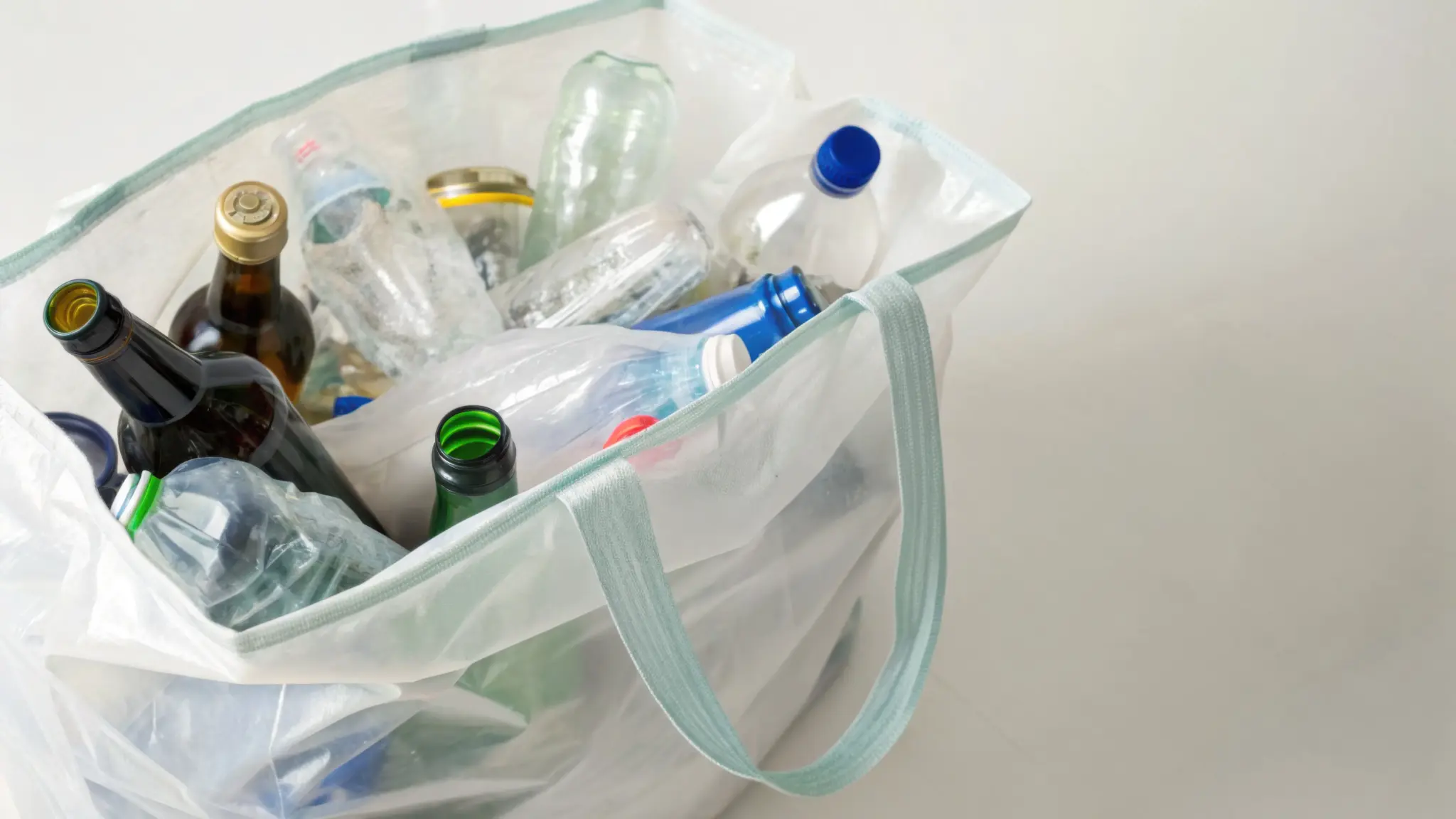
Every day, millions of Filipinos make choices about what they buy, use and throw away. But what happens after something is placed in a bin is easy to overlook.
A plastic bottle, food container or piece of packaging does not simply disappear when it leaves our hands. It enters a much larger system involving collection, sorting, recovery, transportation, recycling and, eventually, the return of materials into the economy. At many points along that journey are people whose work determines whether valuable materials are recovered or lost.
These are the waste workers who collect, sort, recover and manage discarded materials across the country.
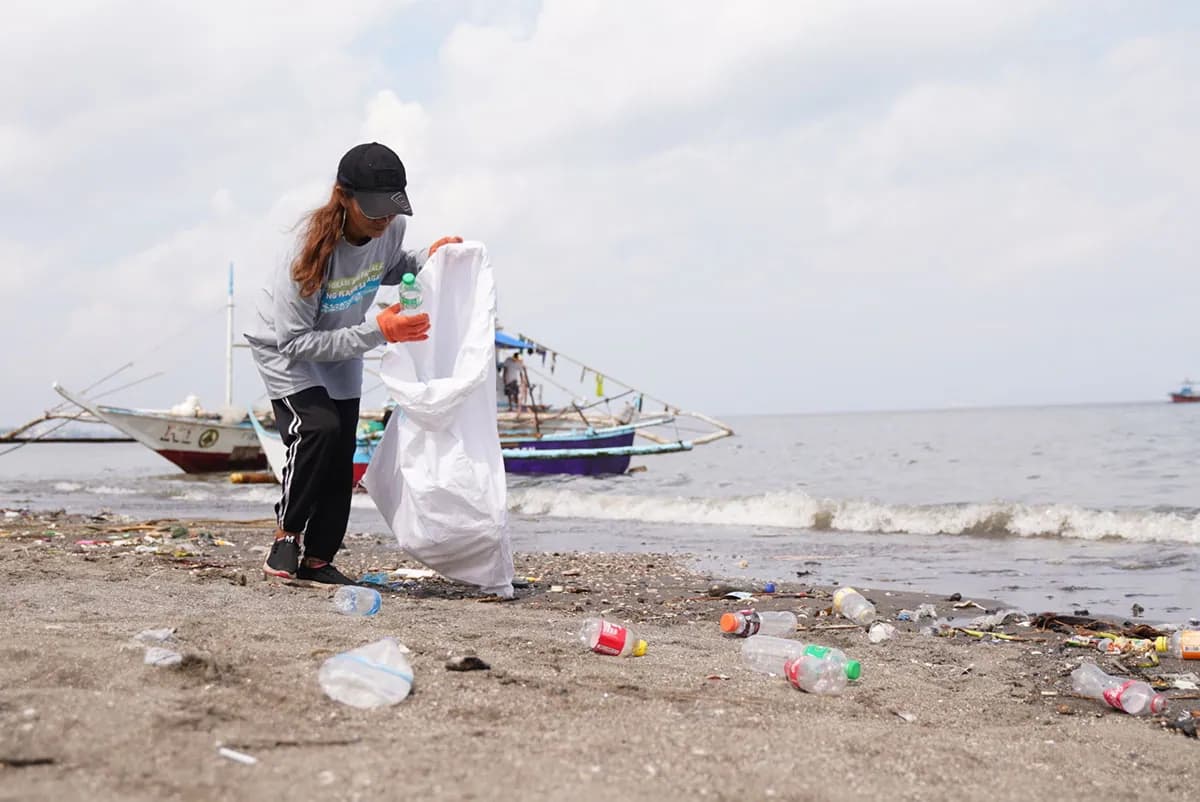
Their role is becoming increasingly important as the Philippines works to strengthen waste management and implement Extended Producer Responsibility (EPR). The country generates an estimated 61,000 to 65,000 tonnes of waste every day, according to the Department of Environment and Natural Resources (DENR). Yet only around 52% is collected, with the remaining 48% ending up in waterways, bodies of water or on streets.1
Against this backdrop, the people who help recover materials are not simply part of the waste management system. They are essential to making the system work.
Join the global bottle deposit program
Fuelled by the world's most progressive people.
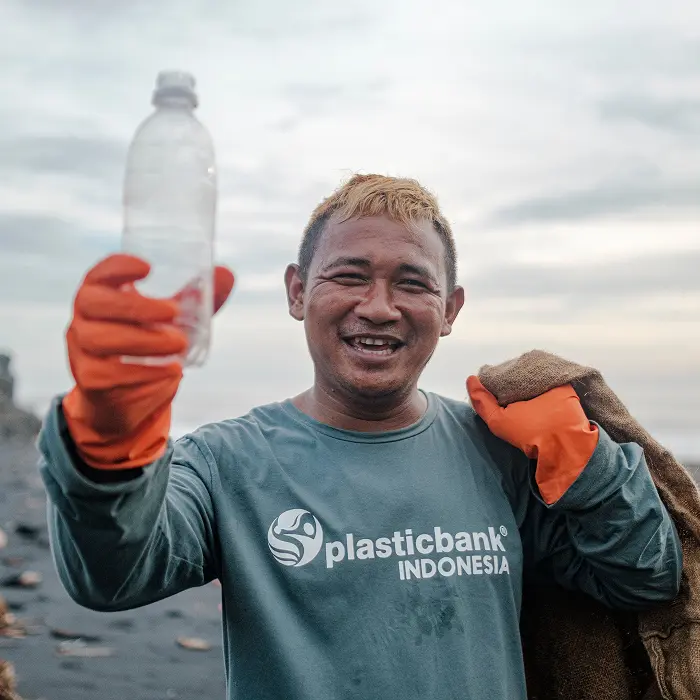
A proposed Magna Carta puts waste workers in focus
The importance of waste workers has recently gained greater attention through a proposed Magna Carta of Waste Workers. 2
Senate Bill No. 162, authored by Senator Loren Legarda and refiled in the 20th Congress, seeks stronger labour, health and safety protections for an estimated 1.8 million to 2.3 million waste pickers and workers across the Philippines.3 Many of these workers remain informal, unregistered and unaccounted for.
The proposed measure seeks safeguards covering fair compensation, hazard and emergency pay, occupational health and safety, social protection and appropriate personal protective equipment. It would also recognize organizations of informal waste workers and help facilitate their access to government support and representation.
The proposal is significant because it recognizes that waste management is not only about materials and infrastructure. It is also about people.
When the people who keep materials moving through the recovery system are not adequately protected or supported, the system itself becomes less resilient.
The people behind material recovery
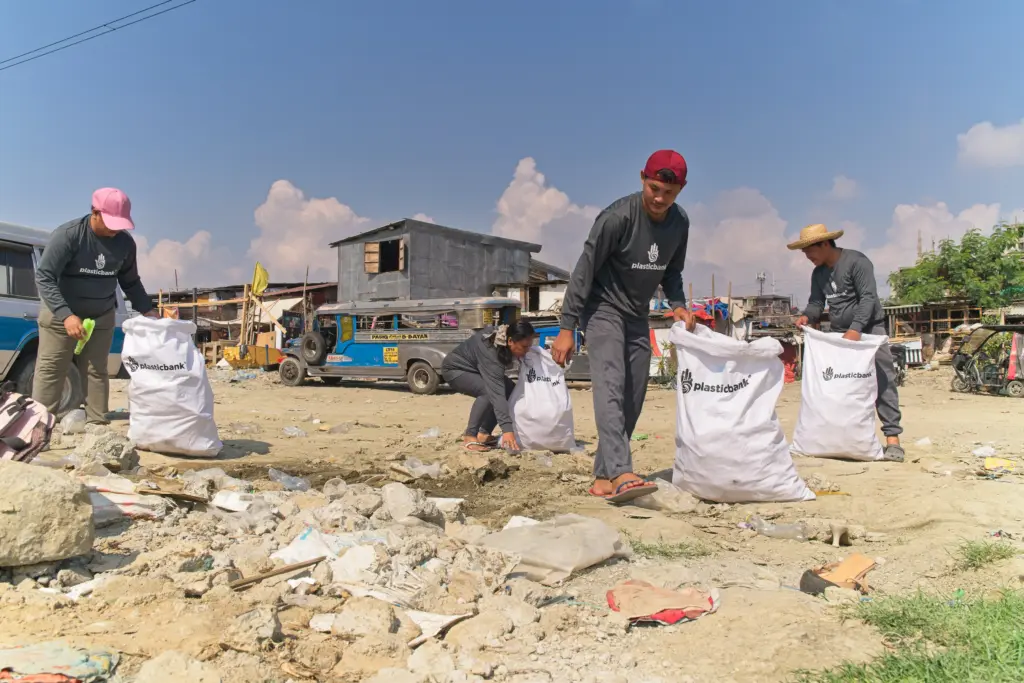
Waste workers contribute at several stages of the journey from discarded material to recovered resource.
Collectors and waste pickers identify materials that still have value and separate them from other waste. Junkshops and other recovery businesses sort, aggregate and prepare materials for the next stage of the value chain. Workers at recycling and processing facilities then transform recovered materials into inputs that can potentially be used again.
Much of this work happens outside the formal systems consumers interact with, making it easy to overlook. But recovering a material requires more than placing it in a recycling bin.
A recyclable item needs to be found, collected, separated from other materials, kept in suitable condition and transported to a place where it can actually be processed. Each step matters.
The Environmental Management Bureau has highlighted the importance of integrating the informal waste sector into sustainable waste management, describing its role as essential to achieving a circular economy and calling for policies and partnerships that recognize and support its work.4
Why waste workers matter to recycling
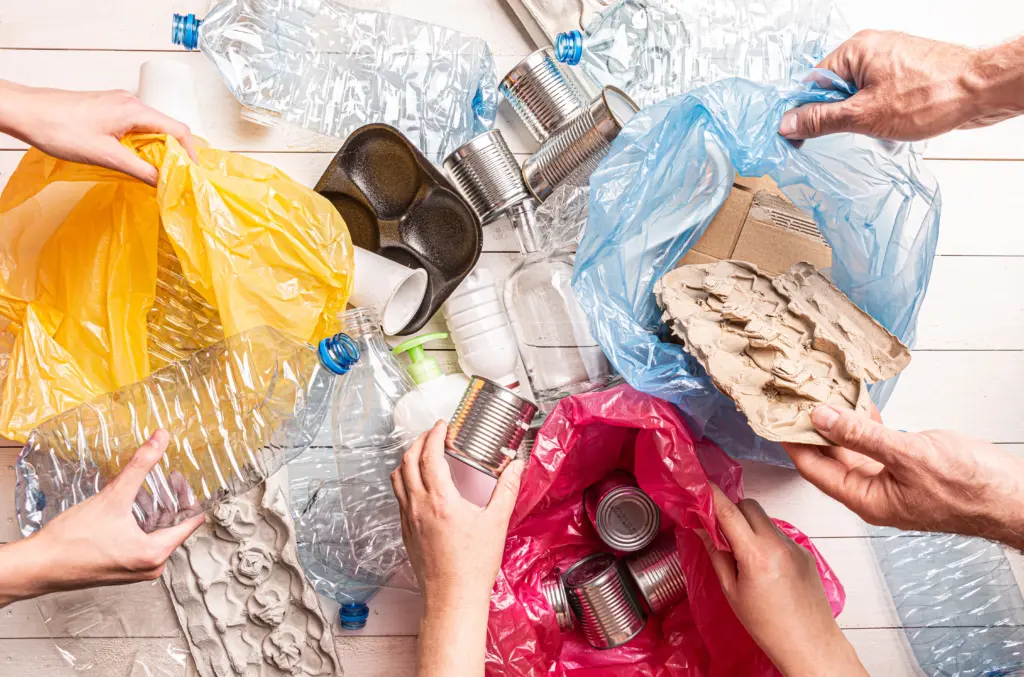
Recycling begins long before a material reaches a recycling facility.
Once a plastic bottle has been used, its future depends on what happens next. If it is discarded with other waste, it may become contaminated, difficult to recover, or eventually lost to disposal. If it is separated and collected, it has a better chance of entering a recovery pathway. This is where waste workers make a difference.
By identifying materials with recovery value, they help prevent recyclable materials from being lost and connect them with the businesses and facilities capable of giving them another use.
In other words, collection is not the end goal. Recovery is, and recovery depends on people.
Waste management is a system, not a single activity
The challenges facing waste management in the Philippines demonstrate why a systems approach is needed.
The country generates thousands of tonnes of waste every day, while significant amounts remain uncollected. Recent heavy rains have also shown how waste that is not properly managed can accumulate in waterways and contribute to flooding and blocked drainage infrastructure. These challenges cannot be solved by collection alone.
A functioning waste management system needs several components working together:
- waste prevention and reduction;
- proper segregation;
- reliable collection;
- material recovery and sorting;
- recycling and other forms of diversion;
- appropriate infrastructure;
- responsible disposal of residual waste; and
- people who are equipped and supported to carry out this work.
Strengthening one part while neglecting another creates gaps in the system. Collecting more plastic, for example, does not automatically mean that more plastic will be recycled. Materials still need to be sorted, prepared, and directed towards appropriate recovery pathways.
What does this mean for EPR?
The growing importance of waste workers also has implications for Extended Producer Responsibility.
Under the Extended Producer Responsibility Act of 2022 (RA 11898), obliged enterprises are required to establish EPR programmes for plastic packaging and recover or offset their plastic packaging footprint. The law sets progressively increasing recovery targets, reaching 80% in 2028 and every year thereafter.5
The law itself recognizes that effective EPR requires collaboration with local governments, communities and the informal waste sector. It also provides for recovery schemes, recycling, transportation of recovered waste and partnerships with stakeholders involved in waste management.
This matters because EPR is not simply about accounting for a certain amount of plastic packaging. It depends on functioning systems that can actually recover and recycle materials.
For business, this means looking beyond collection volumes and asking what happens to materials after they are collected:
- Who collected the material?
- Was it properly segregated?
- Where was it taken?
- How was it sorted?
- Was it actually recycled or diverted?
- And can the process be verified?
These questions shift the focus from collection alone towards meaningful recovery and recycling.
Supporting waste workers can strengthen the entire value chain
Recognizing the role of waste workers does not mean overlooking the need for better infrastructure, technology or consumer participation. Rather, it means understanding how these elements work together.
A stronger recycling system should enable waste workers to operate safely and effectively. This can include access to appropriate protective equipment, fair and transparent compensation, training, reliable collection systems, and stronger connections to formal recovery and recycling markets.
It can also create opportunities for informal waste workers to participate in organized systems without losing the livelihoods they have built around material recycling.
As businesses seek credible ways to fulfill their EPR responsibilities, integrating and supporting the people already working within the recovery value chain can help strengthen the system as a whole.
From waste workers to circular economy workers
There is also a broader shift in perspective worth considering.
The term “waste worker” can make the work sound as though it is simply about dealing with materials that society no longer wants. But much of what is recovered still has value.
A plastic bottle is a recyclable material. A cardboard box can become fibre for another product. Metals can be recovered and returned to manufacturing.
What determines whether these materials remain resources or become waste is often what happens after consumption. This makes the people who recover them important participants in the circular economy.
The proposed Magna Carta of Waste Workers brings this perspective into sharper focus by treating worker protection as both a labour issue and as a matter connected to public health, climate action and social justice.
A circular economy should keep materials in use for longer while also ensuring that the people enabling that recovery are treated with dignity and respect.
Building a recycling system that works
There is no single solution to the Philippines’ waste challenge.
Consumers have a role to play by reducing unnecessary waste and segregating materials properly. Businesses have a role in designing better packaging, taking responsibility for their plastic footprint and supporting credible recycling programmes. Government has a role in creating and enforcing policies, developing infrastructure and strengthening local waste management systems. Waste workers help bridge the gap between what consumers throw away and what recycling systems can recover.
If the Philippines wants to recover more materials, reduce plastic leakage and build a more circular economy, it needs systems that work from end to end. That means better segregation and collection, stronger collection and recycling infrastructure, credible pathways for recovered materials and support for the people doing this essential work.