Most of us rarely think about what happens after our rubbish is collected. Once the bin is emptied or the garbage truck drives away, it’s easy to assume the problem has been taken care of.
But waste doesn’t disappear. It only changes location.
When waste management systems fail, the consequences can reach far beyond overflowing dumpsites. Rivers become polluted, drinking water is threatened, ecosystems are damaged, and communities lose livelihoods that depend on a healthy environment.
Recent reports from Subic in the Philippines illustrate this reality. According to publicly reported findings, an open dumpsite operating within an ancestral domain allegedly contaminated nearby waterways that feed the surrounding watershed, prompting the Department of Environment and Natural Resources to issue a cease-and-desist order while affected Aeta communities called for accountability and rehabilitation.1
Although this incident happened in one community, its lessons extend far beyond the Philippines. Similar challenges have emerged in cities and towns across the world, reminding us that poor waste management is not a local problem. It’s a global one.
Join the global bottle deposit program
Fuelled by the world's most progressive people.
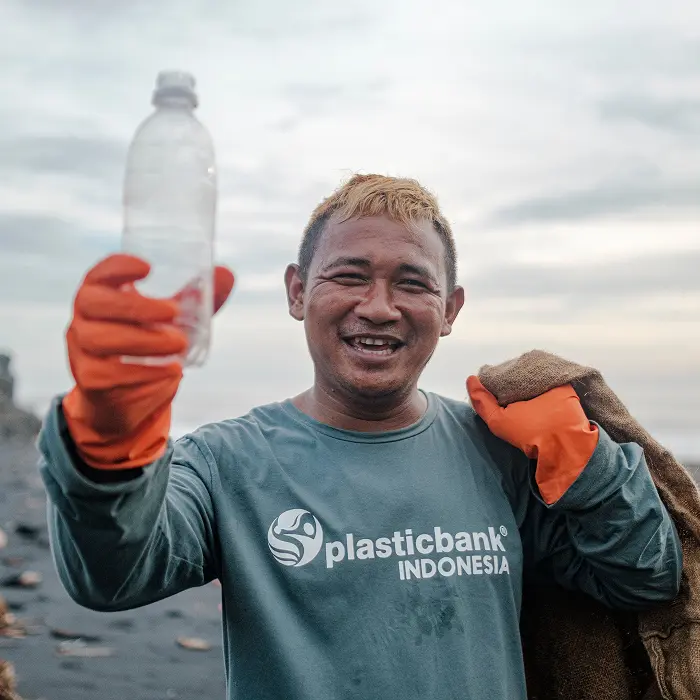
A landfill is only the symptom
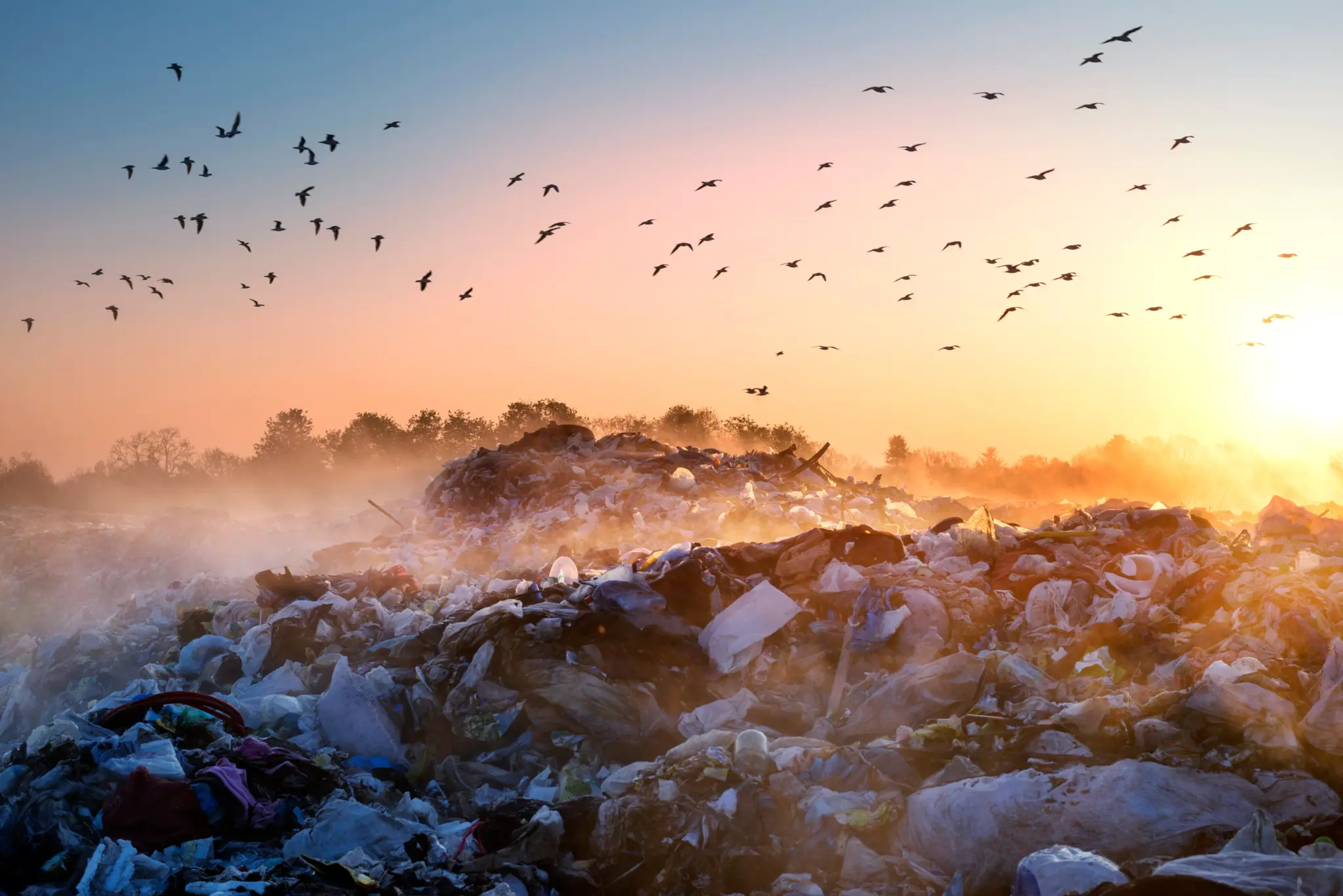
When news breaks about an overflowing landfill or an illegal dumpsite, it’s tempting to think the landfill itself is the problem.
In reality, it is often the final visible symptom of a much larger system failure.
Waste reaches disposal sites only after a series of missed opportunities: products that were never designed for recovery, recyclable materials that weren’t separated, collection systems that failed to recover valuable resources, and infrastructure that couldn’t keep pace with growing waste generation.
The world already generates more than 2 billion tonnes of municipal solid waste every year, and without significant changes, that figure is expected to grow dramatically over the coming decades.2
The lesson is simple: if we only focus on managing waste after it reaches a landfill, we’ve already waited too long.
The most important waste management decision happens before collection
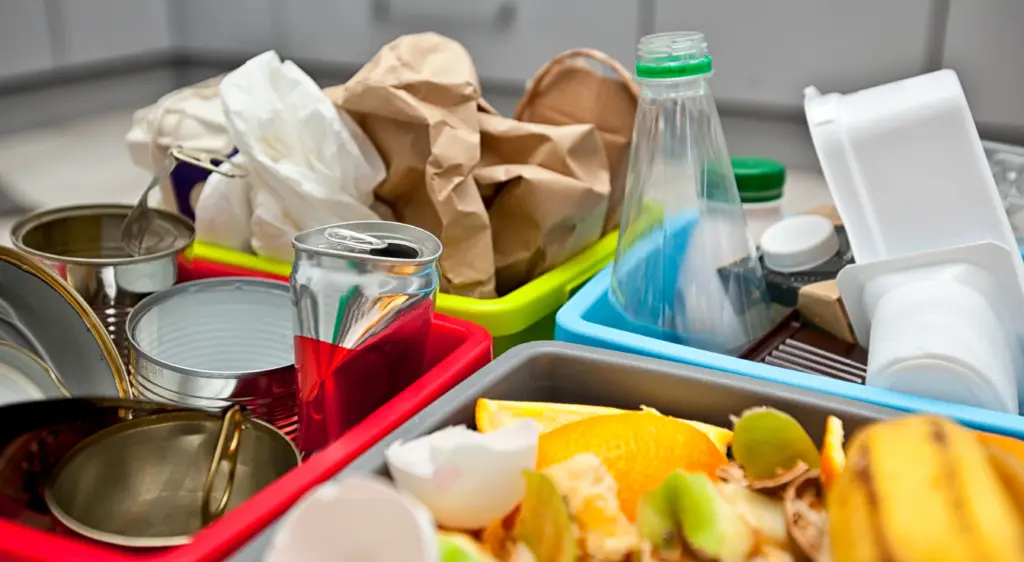
Long before a recycling truck arrives or waste reaches a disposal facility, one simple decision shapes what happens next: whether materials are separated correctly.
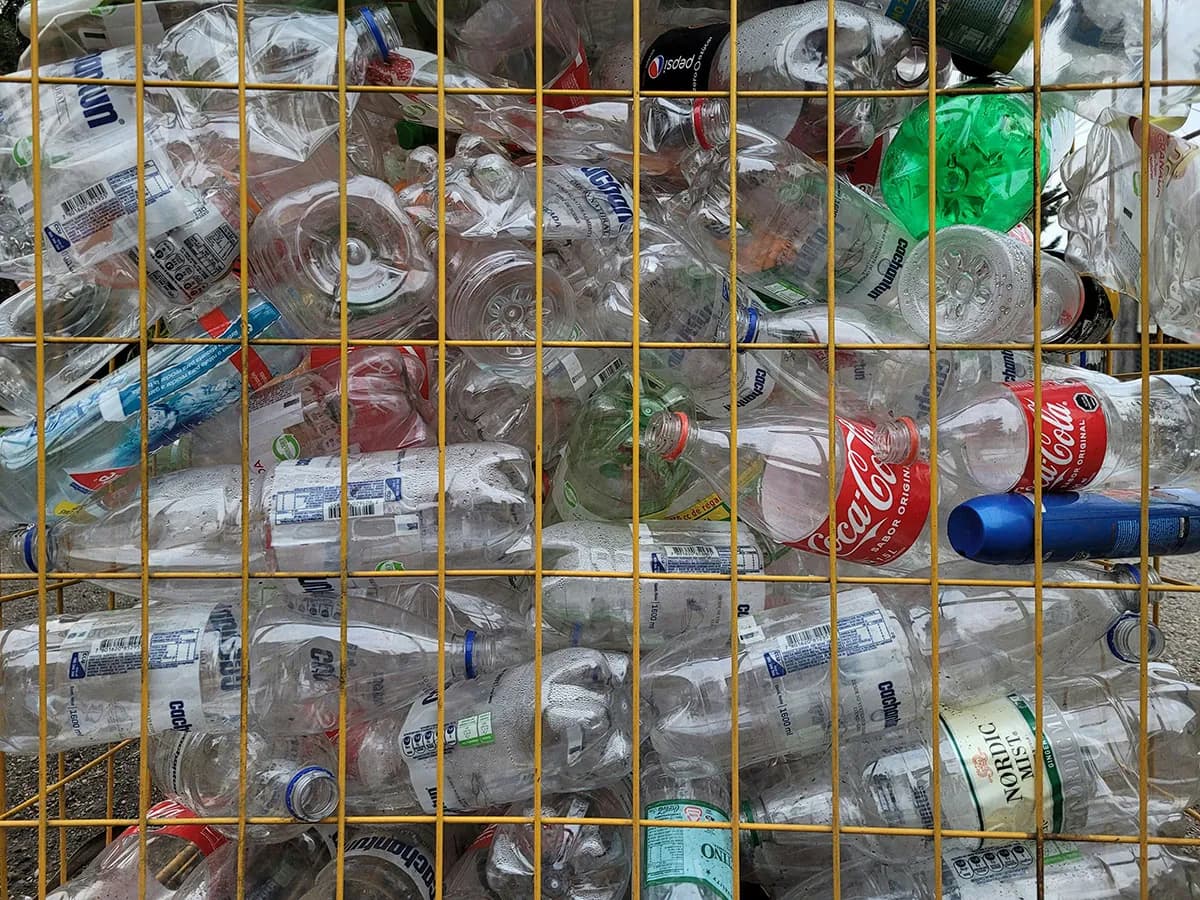
Imagine throwing a clean plastic bottle into a bin filled with leftover food, used tissues, and other rubbish. In seconds, something that could have been recycled may become contaminated and far more difficult to recover.
When recyclable materials are properly segregated at homes, schools, offices, and businesses, they retain value. They can be collected, processed, and returned to the economy instead of occupying landfill space.
Segregation may seem like a small everyday habit, but multiplied across millions of households, it becomes one of the most effective ways to reduce pressure on landfills and prevent pollution before it begins.
When recyclable materials are lost, everyone loses
Throwing recyclable materials into landfill doesn’t just create more waste. It also throws away valuable resources.
Every bottle, container, or piece of packaging that cannot be recovered often needs to be replaced with new raw materials. That means using more energy, extracting more natural resources, and increasing the environmental footprint of manufacturing.
Globally, only 9% of plastic waste is recycled, while almost half is sent to sanitary landfills and another 22% is mismanaged, increasing the risk of pollution on land and in waterways.3
Recovering valuable materials isn’t simply about cleaning up waste. It’s about keeping resources in circulation for as long as possible.
The informal waste sector is one of the world’s greatest environmental assets
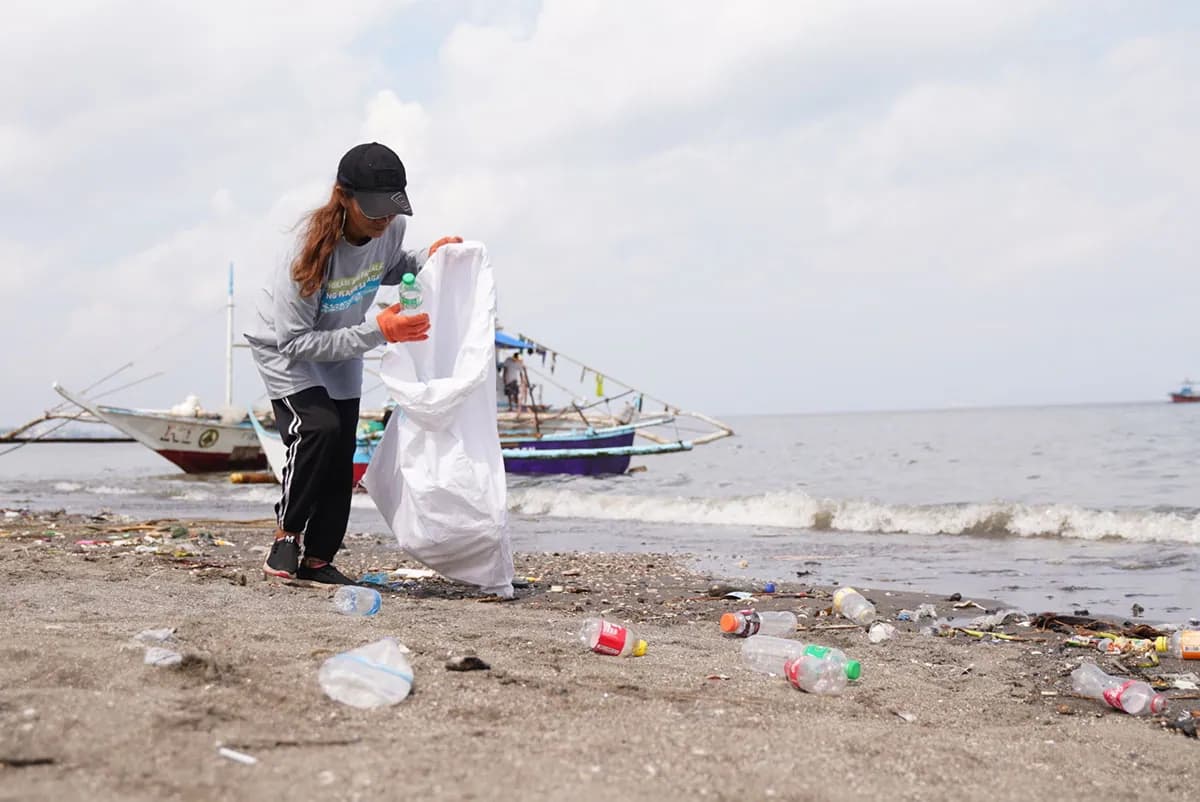
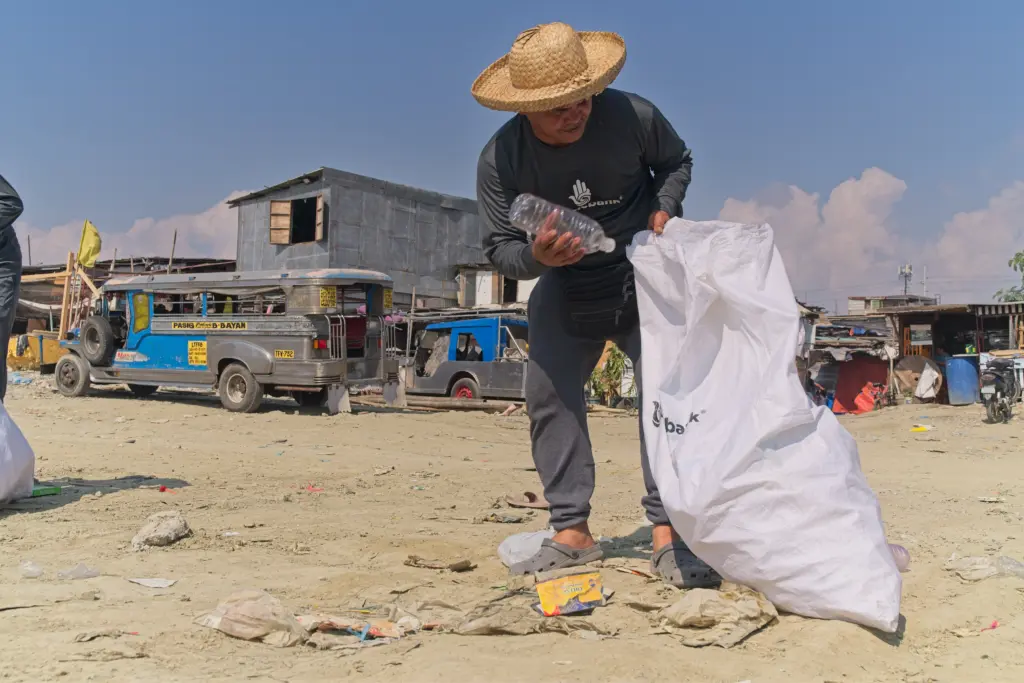
Across much of the world, millions of people earn a living by collecting recyclable materials before they become pollution.
Whether they are waste pickers in Latin America, collectors in the Philippines, or informal recyclers in Africa and Asia, these workers perform an essential environmental service that often goes unnoticed.
They recover plastic bottles, cardboard, metals, and other valuable materials long before they reach rivers, landfills, or the ocean.
Despite their contribution, the informal waste sector is frequently under-recognised and under-supported.
Strengthening this sector through fair compensation, digital traceability, better market access, and partnerships doesn’t only improve livelihoods. It also strengthens recycling systems, increases recovery rates, and helps valuable materials remain in circulation.
A stronger circular economy depends on recognizing these workers not as a last resort, but as essential partners.

Protecting watersheds starts long before pollution reaches them
The Subic incident also highlights another often-overlooked consequence of poor waste management: protecting water sources.
Watersheds provide clean water for households, agriculture, ecosystems, and local economies. Once they become contaminated, restoring them is often complex, expensive, and can take years.
Protecting these critical ecosystems doesn’t begin with clean-up operations. It begins by preventing waste from reaching them in the first place through responsible land-use planning, compliant waste infrastructure, effective enforcement, and stronger waste recovery systems.
Why this matters everywhere
Although regulations and infrastructure differ from country to country, the principles of good waste management are remarkably similar.
Whether it’s an overflowing landfill after heavy rainfall, plastic entering rivers before reaching the ocean, or valuable recyclables being buried instead of recovered, communities everywhere face the same challenge: how to keep materials in use instead of treating them as waste.
The circular economy offers one answer. Rather than relying on disposal, it prioritizes designing products for recovery, keeping materials in circulation, and reducing the need for new raw materials.
Circularity depends on partnerships
A plastic bottle passes through many hands before it becomes a new product again.
It is designed by a manufacturer then purchased by a consumer. Once used, it is collected by a waste worker, then sorted by an aggregator. Once they have accumulated enough, it is delivered and processed by a recycler. Then purchased again by another manufacturer.
If any link in that chain breaks, the circular economy breaks with it.
That’s why solving waste challenges requires collaboration.
Businesses can design more recyclable packaging and meet their Extended Producer Responsibility obligations. Local governments can strengthen collection systems and enforcement. Communities can segregate waste correctly. Collectors and recyclers can recover valuable materials before they become pollution.
When these stakeholders work together, waste becomes a resource instead of a burden.
Preventing the next environmental crisis starts today
The lesson from Subic is that better systems can prevent these failures before they happen.
Every household that segregates correctly. Every business that designs packaging for recovery. Every local government that invests in better collection systems. Every partnership that strengthens the informal waste sector.
Each one helps build a future where fewer materials end up in landfills and more remain in circulation.
Waste doesn’t disappear. It only changes location.
The opportunity before us is to ensure that, instead of becoming pollution, those materials become resources again. That’s how we build a circular economy that protects communities, safeguards our environment, and creates lasting value for people around the world.