

Loading...
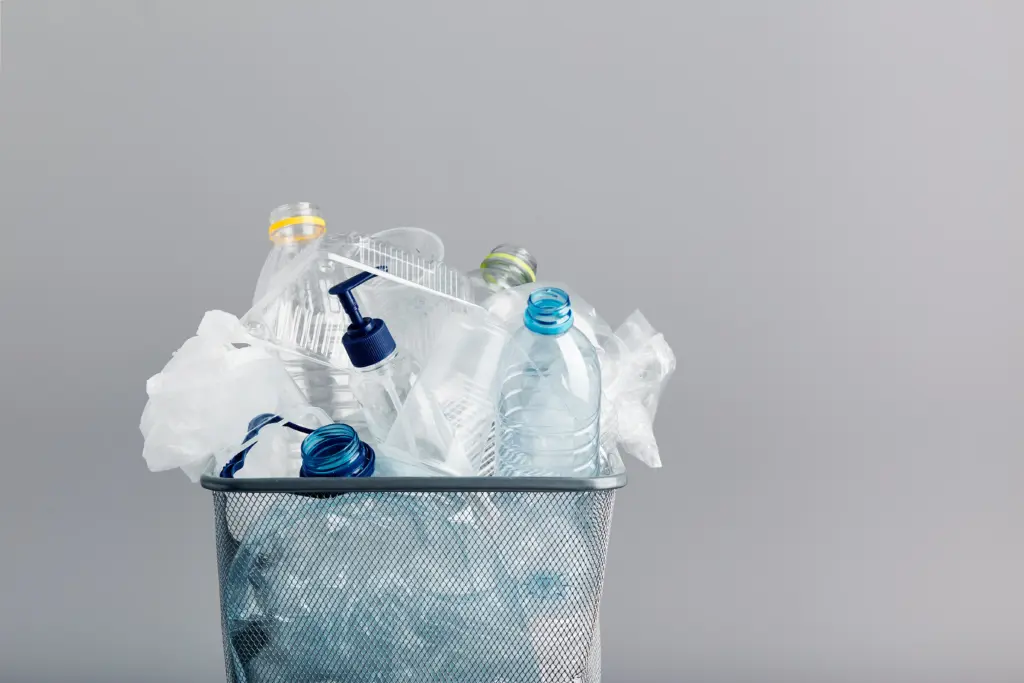
A plastic bottle doesn’t become worthless the moment you throw it away.
It still has the potential to become something new, whether that’s another bottle, outdoor furniture, or packaging made with recycled plastic. But that potential depends partly on what happens before it reaches a recycling facility.
Fuelled by the world's most progressive people.
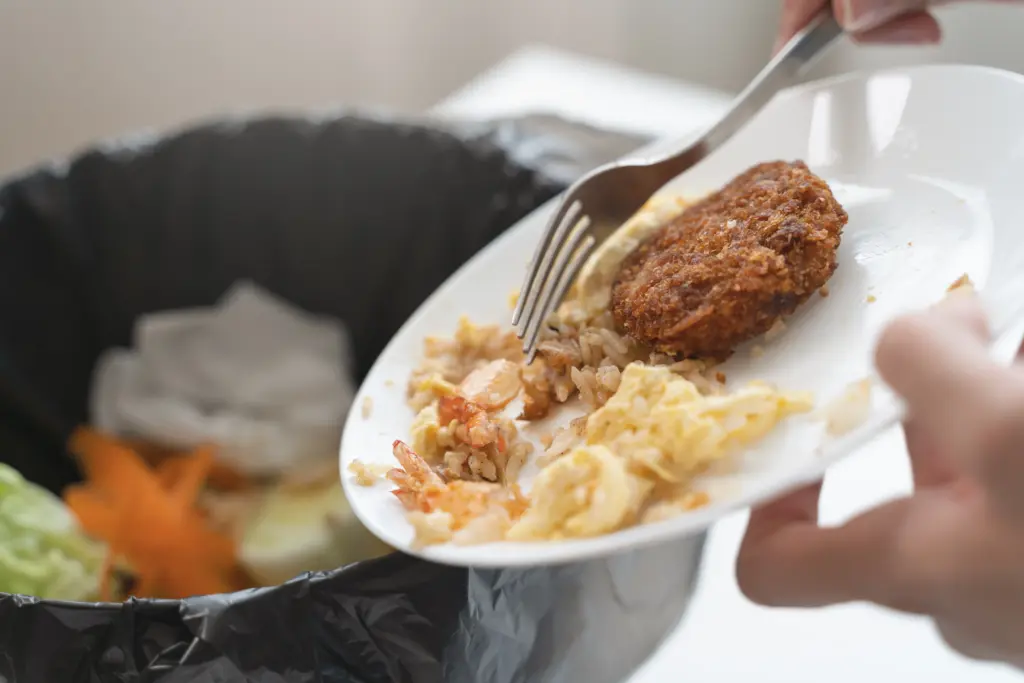
When plastic is mixed with food scraps or liquids, the consequences extend well beyond an untidy recycling bin.
Imagine a cardboard box soaked by leftover juice from a plastic bottle, or paper packaging stained with food waste. Even if the paper was originally recyclable, contamination may prevent it from being successfully recovered.
This issue, known as recycling contamination, is one of the biggest challenges facing recycling systems worldwide. For collectors, handling cleaner, properly segregated materials also creates safer and more efficient working conditions. Instead of sorting through leaking bags of mixed waste, they can focus on recovering valuable materials that remain suitable for recycling.
The challenge continues at recycling facilities. Contaminated materials may require additional sorting or washing, while some materials may be too difficult or costly to recover.
The scale of this challenge is significant. The world generated 353 million tonnes of plastic waste in 2019. Of that, approximately 55 million tonnes of plastic waste were collected for recycling. After accounting for losses during recycling, only 9% of plastic waste was successfully recycled.1
This demonstrates an important point: recycling is not simply about collecting more plastic. It is also about giving that material the best possible chance of being recovered and used again.
One of the biggest misconceptions about recycling is that plastic needs to be spotless before it can be collected. Fortunately, that’s not the case.
Clean plastic simply means that containers have been emptied of food or liquid, given a quick rinse if needed, and allowed to drain before being placed in the recycling bin.
The goal is not perfection. It is to remove enough residue so that recyclable materials can be safely collected, sorted, and processed.
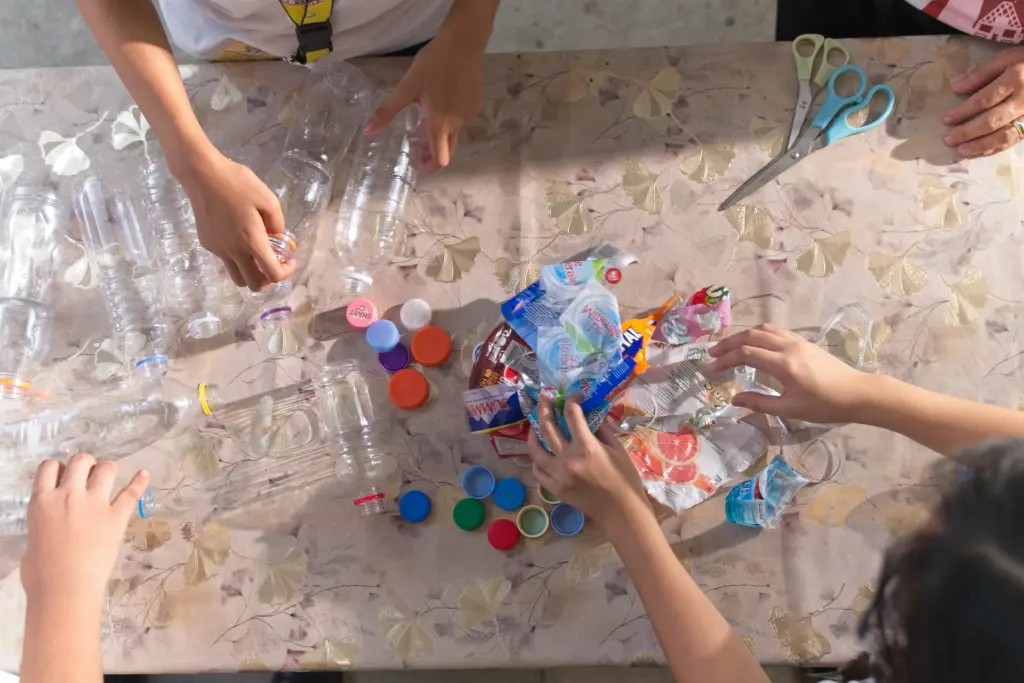
When people think about plastic recycling, they often picture sorting facilities, recycling trucks, or factories turning old plastic into new products. In reality, the journey begins much earlier.
It starts at home.
Every bottle that is emptied, every food container that is rinsed, and every piece of plastic that is separated from food waste helps preserve the quality of materials entering the recycling system.
When schools, workplaces, and neighborhoods adopt these habits, they create cleaner streams of recyclable materials that strengthen local recycling systems and reduce the amount of waste sent to landfill. Over time, stronger recovery systems can contribute to cleaner neighborhoods and help communities make better use of the resources they already have.
These everyday actions also support a much bigger goal: the transition to a circular economy, where products and materials remain in use for as long as possible instead of being discarded after a single use.
But how to we make it possible to collect, sort, process, and reuse materials at scale?
Governments and businesses are working to strengthen the systems behind recycling. Extended Producer Responsibility (EPR), for example, places greater responsibility on producers for the packaging they introduce to the market and can help support collection, sorting and recycling systems.2 These systems work best when households are part of the process. When people separate and prepare recyclable materials correctly at the point of disposal, they become an important first link in the recycling chain.
Protecting the recoverability of plastic doesn’t require expensive equipment or dramatic lifestyle changes. A few simple habits can make a meaningful difference.
Empty it first.
Remove leftover food and liquids before putting a container aside for recycling.
Rinse when needed.
A quick rinse can remove residue. It doesn’t need to be spotless.
Keep it dry.
Allow containers to drain before storing them with other recyclables.
Separate it properly.
Keep recyclable materials away from food waste and residual waste.
Know what your community accepts.
Recycling systems differ. Check local guidelines before deciding what belongs in your recycling stream.
When recyclable materials are kept clean and separated, they can be easier to collect, sort, and recover, helping make the recycling process more efficient. This matters to the people who make that process possible. Collectors play an important role in recovering recyclable materials and keeping them in circulation. When plastic is separated from food waste and other residual materials, it is cleaner and easier to handle, allowing collectors to spend more time recovering materials that can be put to use.
Cleaner collection streams can also benefit communities. Keeping recyclable materials separate from other waste can reduce unpleasant odors and pests around collection and storage areas while helping prevent recoverable materials from being unnecessarily sent to landfill.
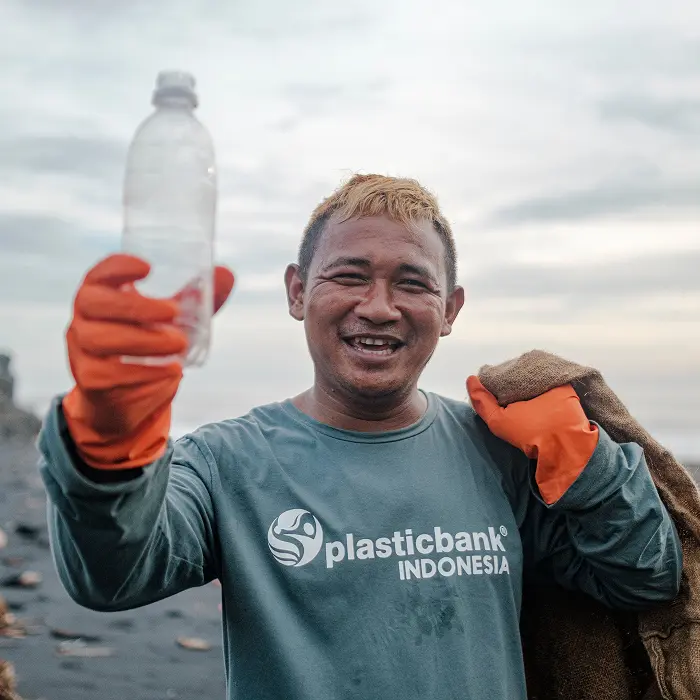
Plastic Bank’s incentive-based collection programs help recover plastic before it reaches the environment while supporting collectors through financial incentives and social benefits. It is one example of how recognizing the potential of discarded plastic can create environmental and social benefits at the same time.
Ultimately, better segregation helps create a system where recyclable materials retain their usefulness for longer, collectors can recover them more efficiently, and communities can benefit from cleaner and more effective collection systems.
The next time you finish a drink or empty a food container, think beyond the bin. That piece of plastic may still have a useful life ahead of it.
Emptying it, rinsing it when needed, and separating it from other waste may seem like small actions. But when millions of households do them consistently, they help create cleaner streams of recyclable material and stronger systems for recovery.
Plastic has value. Our everyday choices can help preserve it.
 Traceability and Circular Economy
Have you ever wondered where all your plastic packaging goes? The fabric conditioner you used last week, the bottled water you thoughtlessly threw in the garbage, or the countless shampoo sachets you have used in the past month – do you know where all of these go?
 Purpose and Profit
Extended Producer Responsibility (EPR) is more than a regulatory checkbox—it’s a strategic framework that holds producers accountable for the full life cycle of the products and packaging they introduce into the market.
 Poverty and Social Impact
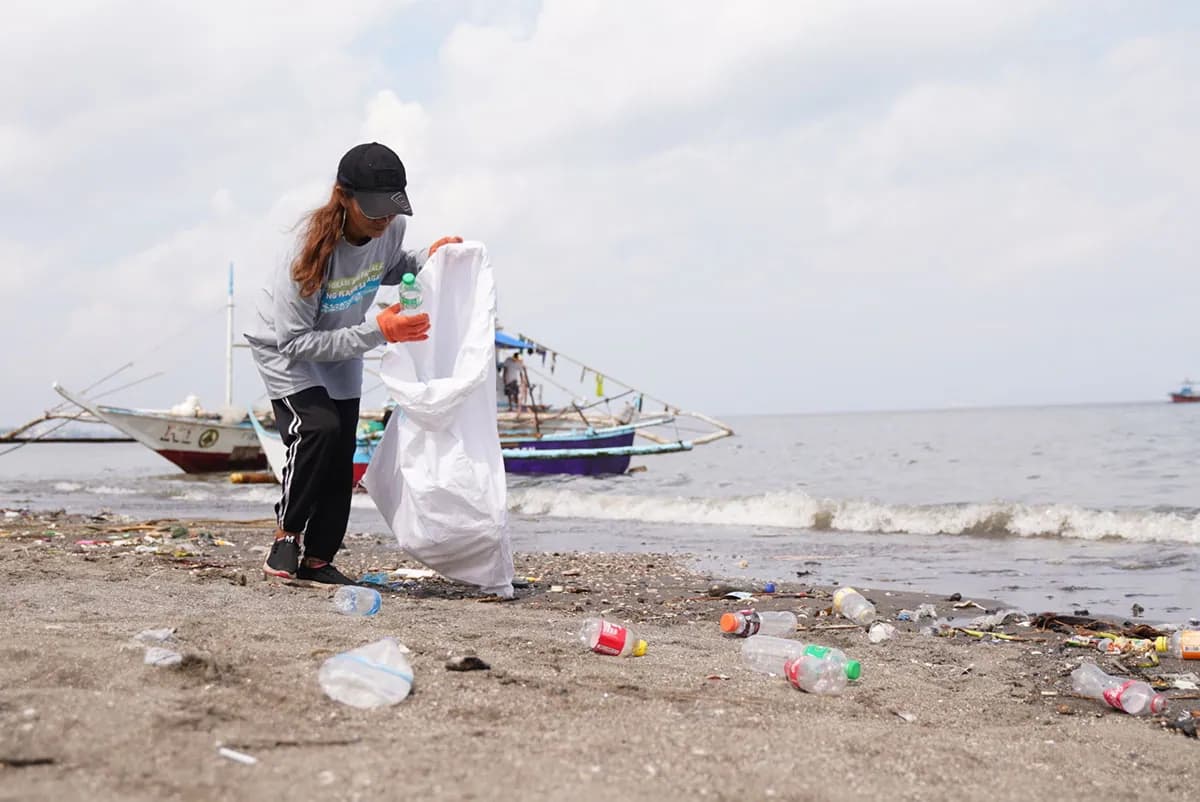
The Philippines is dealing with a serious plastic waste problem—about 2.7 million metric tons of plastic are thrown away each year, and a lot of it ends up in our oceans.
 Traceability and Circular Economy
Photo by Markus Spiske on Unsplash Our planet is drowning in plastic waste. Discarded single-use plastic is polluting beyond our communities, reaching even the most remote locations in Antarctica1 and the high peak of Mt. Everest2. What’s worse is that plastic pollution now affects human blood. Microplastics appeared in blood samples of 17 out of […]