Have you ever struggled to tear apart a snack wrapper or wondered why some refill pouches can’t be recycled? Those everyday frustrations highlight one of the biggest challenges in sustainable packaging. Long before a package reaches a recycling bin, design decisions determine whether it has a realistic chance of being recycled. That’s why more companies are rethinking not just the materials they use, but how packaging is designed from the start.
Join the global bottle deposit program
Fuelled by the world's most progressive people.

What is mono-material packaging?
Mono-material packaging is made primarily from one type of plastic, such as PE, PP or HDPE, allowing most of the package to move through the same recycling stream. While labels and closures may still use different materials, the main structure is designed to be easier to sort and recycle.
What is multi-material packaging?
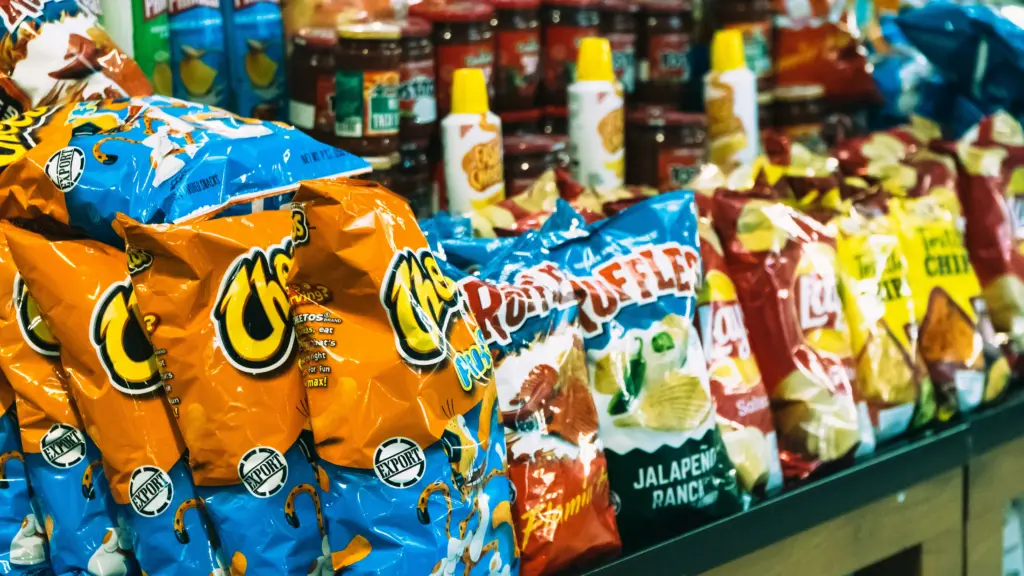
Multi-material packaging, also known as mixed-material or composite packaging, combines two or more different materials into a single package to achieve specific performance characteristics.
Common examples include:
- Potato chip bags made from plastic and aluminium
- Coffee pouches with multiple plastic and foil layers
- Toothpaste tubes
- Pet food packaging
- Beverage cartons made from paperboard, plastic, and aluminium
Why multi-materials became the industry standard
Think about a bag of coffee. It needs to keep oxygen, moisture and light out for months while surviving transport across thousands of kilometers. That’s why many coffee bags combine several materials, each serving a different purpose.
These design choices have environmental benefits too.
An estimated 13% of the world’s food is lost between harvest and retail, with additional waste occurring in stores and households.1 Packaging that extends shelf life can help reduce food loss, which in turn reduces greenhouse gas emissions associated with producing food that is never consumed.
Why are we rethinking packaging design?
Despite their performance advantages, mixed-material packages often encounter challenges once consumers dispose of them.
Most recycling systems are designed to process relatively pure material streams, such as polyethylene (PE), polypropylene (PP), polyethylene terephthalate (PET), or high-density polyethylene (HDPE). When several materials are permanently fused together, separating them can require specialised technologies that are not widely available.
As a result, many composite packages are difficult to recycle at scale.
This is particularly true for flexible packaging, where multiple thin layers of plastic, aluminium, adhesives, and coatings may be bonded together to deliver excellent product performance but prove difficult to separate economically.
It is estimated that only 9% of plastic waste is recycled globally,2 with the remainder ending up in landfills, incineration facilities, unmanaged disposal sites, or the environment. While recycling rates vary significantly by country and material type, the statistic highlights the broader challenge facing the global plastics value chain.
Packaging design is not the sole reason for these low recycling rates. Collection infrastructure, consumer participation, sorting technology, and market demand for recycled materials all play critical roles. However, packaging design represents one of the earliest opportunities to improve recovery outcomes.
If packaging cannot realistically be sorted and recycled, even the most sophisticated collection systems face limitations.
The rise of design for recycling
Recognizing these challenges, governments, industry organizations, and consumer brands are placing greater emphasis on Design for Recycling (DfR). Rather than focusing solely on how packaging performs during use, DfR encourages companies to consider what happens after disposal.
This shift is reflected in initiatives such as the Association of Plastic Recyclers (APR) Design® Guide3 and RecyClass Design for Recycling Guidelines,4 which provide manufacturers with practical recommendations for improving packaging recyclability. Similarly, the European Union’s Packaging and Packaging Waste Regulation (PPWR) introduces new requirements that encourage packaging to be designed with recyclability in mind, reinforcing a broader global move toward circular packaging systems.5
Extended producer responsibility is accelerating the shift
Around the world, governments are introducing Extended Producer Responsibility (EPR) policies that encourage producers to take greater responsibility for the packaging they place on the market.
Although EPR programmes differ by country, they share a common goal: ensuring that packaging is not only designed responsibly but also collected and managed after use.
This shift is encouraging businesses to think more holistically about packaging. Instead of focusing only on manufacturing costs or shelf appeal, companies are increasingly considering questions such as:
- Can this package realistically be recovered after use?
- Does existing recycling infrastructure support this material?
- Can unnecessary layers be eliminated without compromising product performance?
- How can packaging design complement collection and recycling systems?
These questions are moving packaging sustainability beyond compliance and towards genuine circularity.
Mono-material packaging isn’t the answer for everything
Although mono-material packaging offers clear advantages for recyclability, it isn’t the right solution for every product.
Some products, including coffee, pharmaceuticals, medical supplies, and certain foods, require exceptionally high barriers against oxygen, moisture, or light to maintain safety and quality. In these cases, today’s mono-material technologies may not yet deliver the same level of protection as more complex multi-material structures.
There are also practical business considerations. Redesigning packaging often requires significant investment in research, testing, manufacturing equipment, supplier relationships, and regulatory approvals. Even small changes can affect production efficiency, shelf life, and the consumer experience.
That’s why the conversation has shifted from asking, “Which material is better?” to “Which design works best for this product?”
Mixed-material packaging continues to play an important role where product protection, food safety, or shelf life are critical. In some cases, extending the life of food or medical products can have a greater environmental benefit than simplifying the packaging itself.
The goal isn’t to eliminate one approach in favor of the other. Instead, it’s to design packaging that delivers the right combination of product protection, resource efficiency, and recyclability within today’s recovery systems while continuing to improve those systems for the future.

How brands are rethinking packaging
Many of the world’s largest consumer goods companies are redesigning their packaging to improve recyclability without compromising product performance.
Nestlé is redesigning packaging using recyclable mono-material structures like mono-polyethylene (PE) and mono-polypropylene (PP) where it is technically feasible.6
Packaging manufacturer Amcor has developed recycle-ready flexible packaging solutions made primarily from polyethylene that is compatible with existing recycling streams.7
Mondelēz International reportedly achieved its global corporate goal of integrating 5% recycled content into product packaging across selected products in its portfolio.8
Better design needs better recovery systems
Designing packaging for recyclability is only part of the solution.
Even the most thoughtfully designed package cannot become circular if it is never collected, properly sorted, or recycled.
Packaging sustainability depends on an entire system working together. Consumers need convenient ways to dispose of packaging correctly. Collection systems must recover those materials. Recycling facilities need the technology to process them. Finally, manufacturers need to create demand for recycled materials by using them in new products.
When one part of this chain is missing, valuable materials can be lost, regardless of how well the packaging was designed. This is why many sustainability experts emphasise that circularity is not achieved through material choice alone.
The future of packaging won’t be decided by choosing one material over another. It will be shaped by smarter design, stronger recovery systems, and collaboration across the value chain. The real measure of sustainable packaging isn’t what it’s made from. It’s whether it has a genuine chance to become a resource again instead of waste.