
Loading...

In a world where buying something new is only a click away, many purchases happen almost mindlessly. The result is overflowing closets, short-lived products, and a growing environmental footprint. That is why it is becoming increasingly important to have a mindful shopping checklist before making a purchase.
Mindful consumption is not about guilt or deprivation. It is about awareness. Every product we buy requires resources, energy, and materials to produce, transport, and eventually dispose of. According to the United Nations Environment Programme, global municipal waste could grow from 2.1 billion tonnes in 2023 to 3.8 billion tonnes by 20501 if consumption patterns continue unchecked.
Intentional shopping gives consumers the power to slow down, think critically, and choose products that truly add value to their lives.
Fuelled by the world's most progressive people.
Modern consumption patterns have changed dramatically over the last few decades. Products are designed to be replaced quickly, marketing encourages constant upgrades, and convenience often outweighs durability.
Plastic production alone has more than doubled in the last two decades,2 reaching hundreds of millions of tonnes annually.
Packaging, disposable goods, and fast fashion are major contributors to this growth. In fact:
While governments and businesses play an important role in addressing this challenge, consumers also hold powerful influence. Every purchase signals demand.
Mindful consumption helps shift that demand toward:
The first step is simply learning to pause before buying.

This mindful shopping checklist helps you move from impulse buying to intentional shopping.
The first and most powerful question is often the simplest.
Many purchases happen because of convenience, boredom, or clever marketing rather than genuine need. A short pause can reveal whether an item truly serves a purpose in your life.
Try asking yourself:
This small moment of reflection is the foundation of mindful consumption. It helps reduce clutter, save money, and prevent unnecessary waste.
Many people adopt a simple rule: wait 24 hours before making non-essential purchases. Often, the urge disappears.
Intentional shopping begins with awareness.
Durability is one of the most important sustainable shopping tips.
Many modern products are designed with short life cycles, encouraging consumers to replace them frequently. This approach drives waste and increases demand for raw materials.
Instead, mindful shoppers look for products designed to last.
Before buying, consider:
High quality products often cost more initially but save money over time. They also reduce environmental impact by limiting the number of items that must be manufactured and discarded.
This shift toward durability is part of a broader movement known as the repair economy, where maintenance and repair replace constant replacement.
Choosing long lasting products is a powerful act of intentional shopping.
Mindful consumption goes beyond materials. It also considers people.
Responsible brands are increasingly transparent about how products are made, where materials come from, and how workers are treated.
When evaluating a product, consider:
Many sustainability focused companies are investing in:
These efforts help reduce the environmental footprint of everyday products while improving livelihoods around the world.
Consumers who prioritize responsible brands send a powerful signal that sustainability matters.
Every product eventually reaches the end of its life. A mindful shopping checklist includes thinking about what happens next.
Will the product:
Globally, only about 9 percent of plastic ever produced has been recycled4, while most ends up in landfills or the environment.
This highlights an important truth. Recycling alone cannot solve the waste crisis.
Mindful shoppers look for products that are:
They also prioritize materials with lower environmental impact, such as recycled plastics, metals, glass, or responsibly-sourced fibres.
Thinking about a product’s full life cycle helps reduce environmental leakage and supports more circular systems.
The final question connects shopping decisions to personal values.
Intentional shopping means recognizing that purchases reflect priorities. Every product represents a choice about what kind of world we want to support.
Some shoppers prioritize:
Even small decisions can contribute to broader change.
For example, choosing reusable products instead of single-use items can significantly reduce waste. Globally, single-use plastics account for a large share of plastic pollution entering the environment each year.
Values based consumption encourages people to align everyday decisions with the future they want to see.
Using a mindful shopping checklist is not about perfection. It is about building habits over time.
Some simple practices can help make intentional shopping easier:
Pause before buying
Create space between desire and action.
Buy fewer, better items
Focus on quality over quantity.
Support responsible brands
Choose companies committed to sustainability.
Repair before replacing
Extend the life of products whenever possible.
Choose reusable options
Reduce dependence on single use products.
These habits help shift consumption patterns toward a more circular economy where materials stay in use longer and waste is minimized.

Individual choices matter because they influence the systems around us.
Today, plastic pollution is one of the most pressing environmental challenges worldwide. Without intervention, plastic pollution entering the environment could more than double by 2040,5 reaching hundreds of millions of tonnes annually.
Addressing this challenge requires action from governments, businesses, and consumers alike.
Mindful consumption is one piece of the solution. By choosing durable products, reducing waste, and supporting responsible companies, consumers help create demand for better systems.
Indeed, a mindful shopping checklist is a powerful tool. It transforms everyday decisions into opportunities for positive change.
Before your next purchase, pause and ask:
1. Do I need this?
2. Who made it and how?
3. What happens when I am done with it?
4. Does it align with my values?
These questions encourage thoughtful consumption and help reduce the environmental impact of everyday choices.
But individual action can go even further when people come together around shared solutions.
Organizations like Plastic Bank are working to stop plastic pollution while improving livelihoods in collection communities around the world. By turning plastic waste into a resource and supporting recycling systems, initiatives like these help build a more circular future.
If you believe mindful consumption can be part of that future, consider taking the next step. Join the movement and help create a world where waste becomes opportunity:
https://plasticbank.com/join
Together, small decisions can lead to meaningful change.
 Traceability and Circular Economy
Have you ever wondered where all your plastic packaging goes? The fabric conditioner you used last week, the bottled water you thoughtlessly threw in the garbage, or the countless shampoo sachets you have used in the past month – do you know where all of these go?
 Purpose and Profit
Extended Producer Responsibility (EPR) is more than a regulatory checkbox—it’s a strategic framework that holds producers accountable for the full life cycle of the products and packaging they introduce into the market.
 Poverty and Social Impact
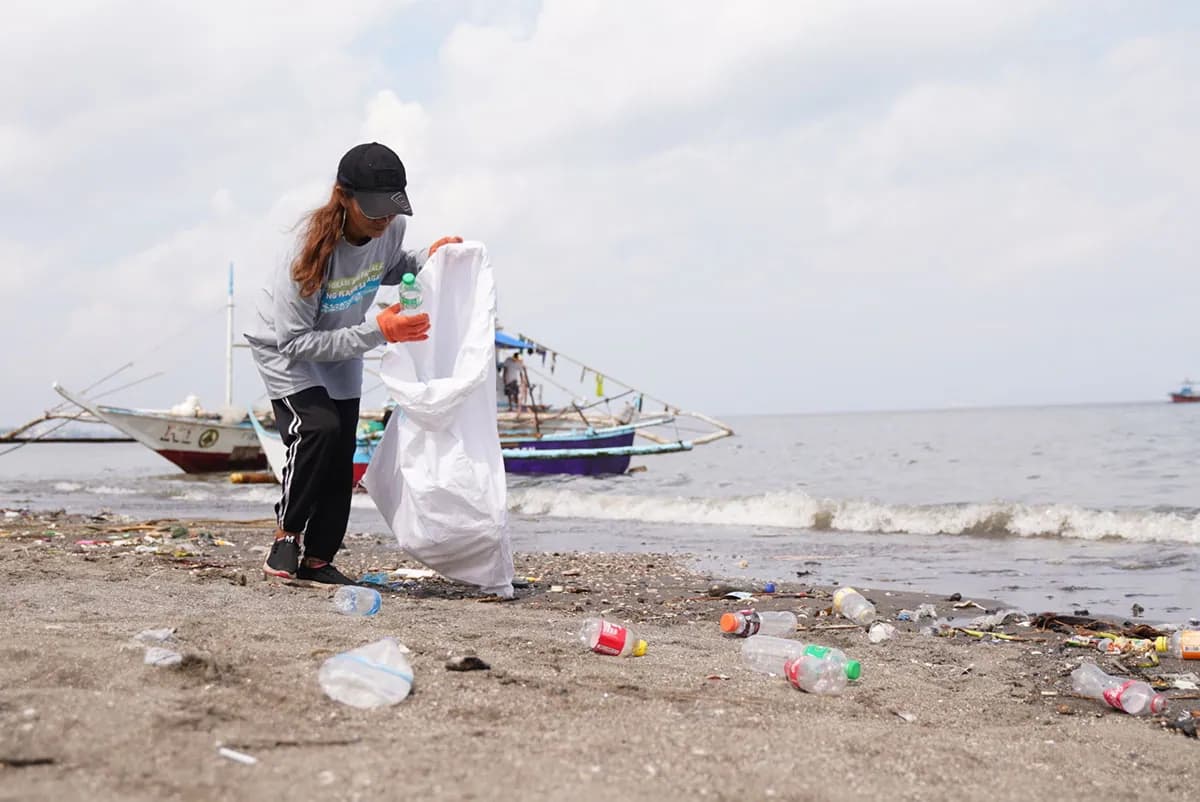
The Philippines is dealing with a serious plastic waste problem—about 2.7 million metric tons of plastic are thrown away each year, and a lot of it ends up in our oceans.
 Traceability and Circular Economy
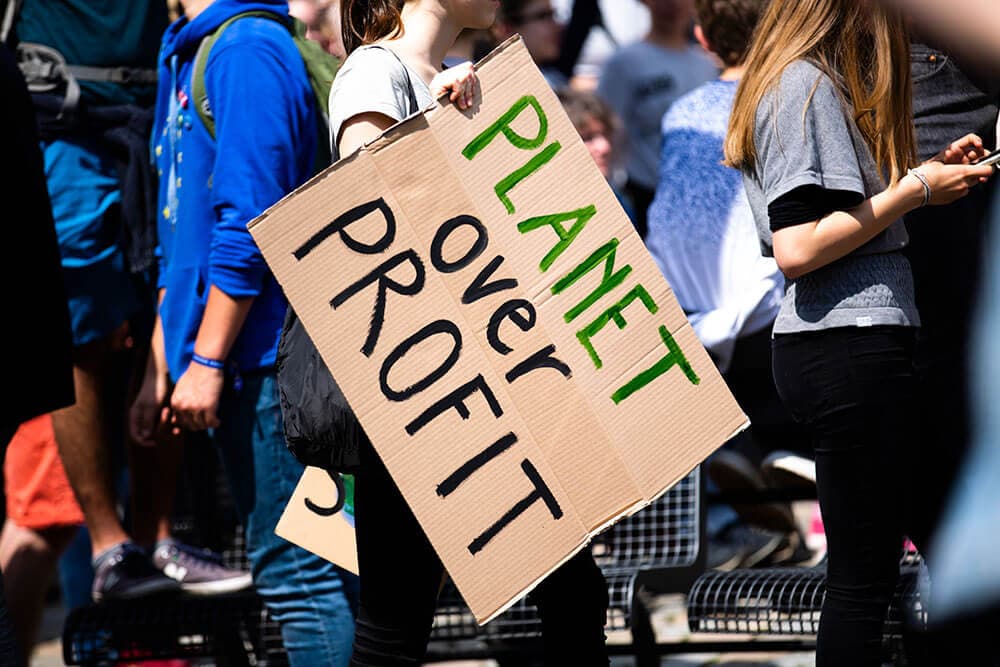
Photo by Markus Spiske on Unsplash Our planet is drowning in plastic waste. Discarded single-use plastic is polluting beyond our communities, reaching even the most remote locations in Antarctica1 and the high peak of Mt. Everest2. What’s worse is that plastic pollution now affects human blood. Microplastics appeared in blood samples of 17 out of […]